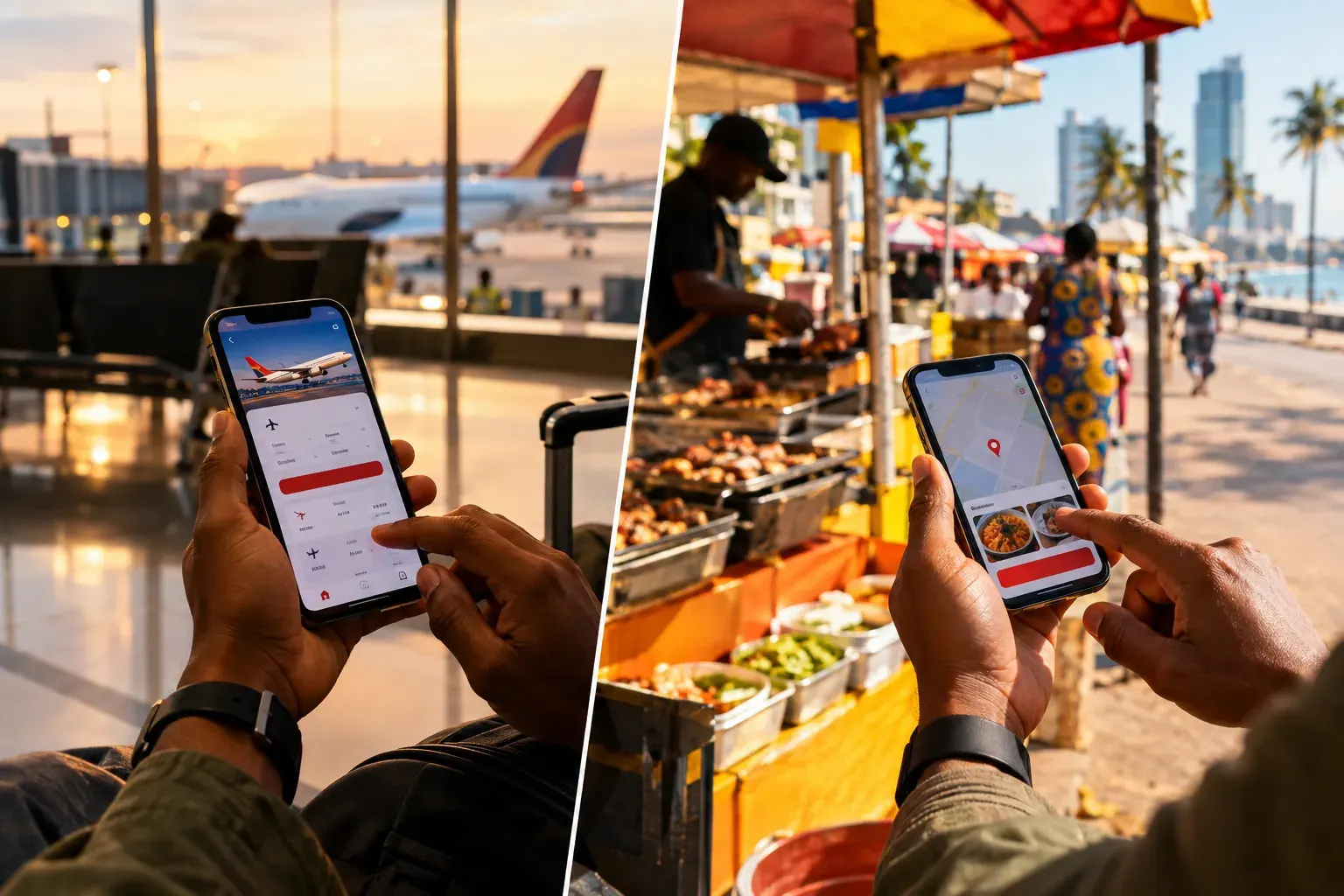

Quick Answer
Getting around Angola works best by combining domestic flights with TAAG for long distances, rideshare apps like Yango inside Luanda, and a rental car with driver for regional trips. Distances are huge, roads outside cities vary in quality, and public transport is limited for tourists. Fly between provinces, hire cars locally, and skip the crowded minibuses if you’re carrying luggage.
Key Takeaways
- Domestic flights with TAAG Angola Airlines are the fastest way to cover Angola’s 1.2 million km². [1]
- Since February 2025, TAAG’s domestic flights depart from the new António Agostinho Neto International Airport in Icolo e Bengo, not the old 4 de Fevereiro terminal. [1]
- Yango (rideshare) is generally the safest and most transparent taxi option in Luanda. See our list of Angola travel apps to install before you fly.
- Renting a car is possible through Avis, Hertz and Europcar, but many travelers hire a car with a driver instead.
- The Benguela Railway exists but is mainly freight; passenger service is limited and slow. [5][9]
- Long-distance buses (macas) connect major cities cheaply but comfort and safety vary.
- A 4x4 is strongly recommended for rural routes, national parks, and the rainy season (November to April).
- Always check the current travel advisory from your government before booking regional trips, especially to Cabinda.
What’s the Best Way to Get Around Angola?
The best way to get around Angola is to fly between provinces and use local rideshare or a hired car within cities. Angola is roughly the size of Spain, France and Germany combined, and overland travel eats days you probably don’t have on a two-week trip.
Here’s the simple decision rule I use when planning routes for readers:
- Luanda to Lubango, Namibe, Cabinda, Dundo, Luena? Fly.
- Luanda to Kissama, Miradouro da Lua, Mussulo? Rideshare or hired car with driver.
- Benguela to Lobito, or short coastal hops? Taxi or local rental.
- Off-road parks, Iona, remote Malanje? 4x4 with a driver or organized tour.
For a bigger picture of routing your whole trip, see our Angola itinerary planner and the pillar guide on travelling to Angola.
How Do Angola Domestic Flights Work with TAAG?
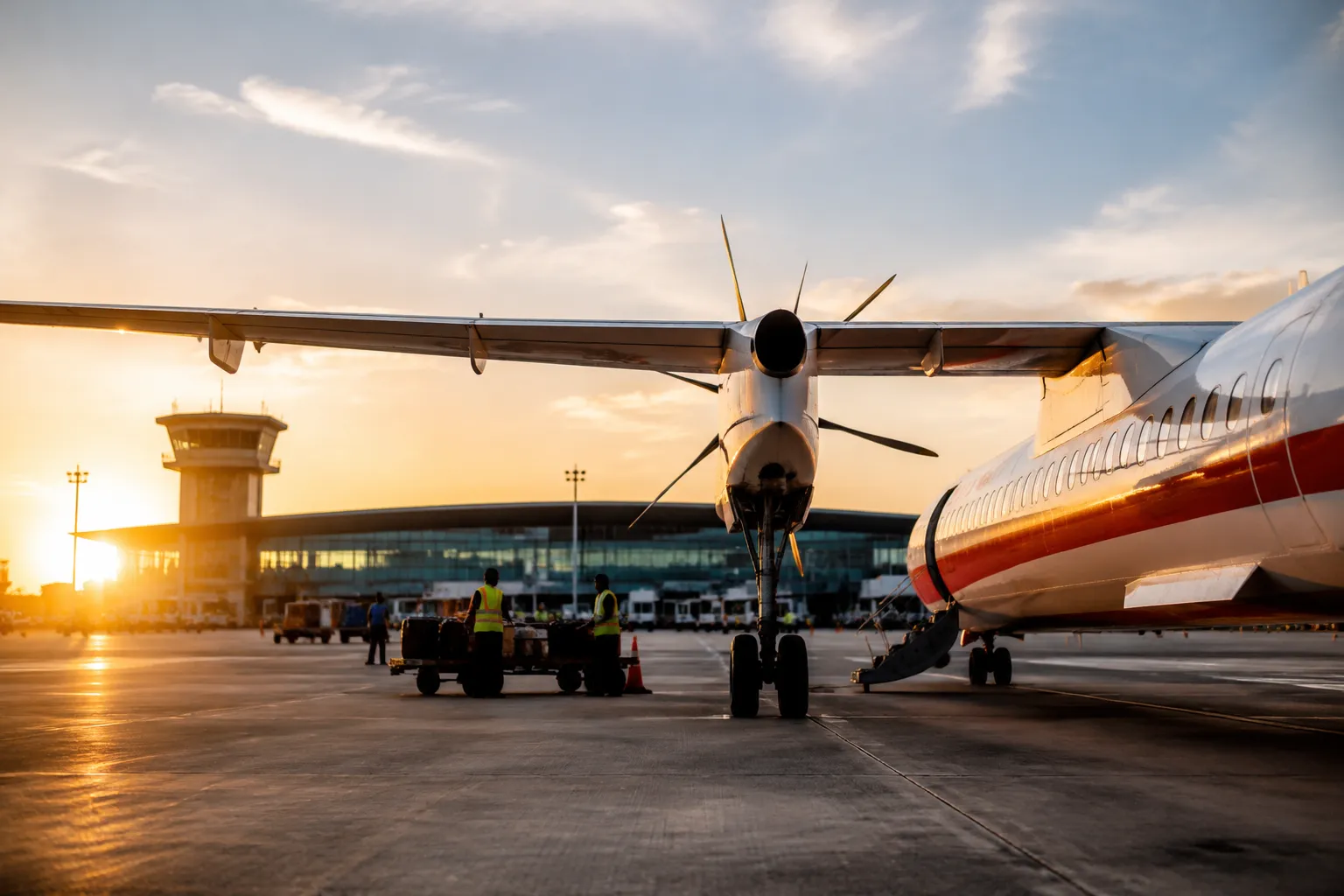
TAAG Angola Airlines is the main domestic carrier, and since February 2025 all TAAG domestic flights operate from the new António Agostinho Neto International Airport (NBJ) in Icolo e Bengo, about 40 km from central Luanda. [1] The old 4 de Fevereiro (LAD) domestic terminal was closed for TAAG operations during that transition.
TAAG’s domestic network was expanded significantly in 2022, adding weekly connections from Luanda to Catumbela (Benguela), Lubango, Dundo, Luena, Ondjiva and Huambo, among others. [2] The fleet includes modern Dash 8-400 turboprops (74 seats) delivered from 2020 onwards for regional routes. [6]
A second player, Fly Angola, suspended domestic services in August 2023 due to the kwanza’s devaluation, but relaunched flights in April 2025, restoring Luanda to Lubango and adding Lubango to Cabinda, Benguela and Windhoek using Beech 1900D aircraft. [3][7]
Tip: Book TAAG through their official site or a reputable Angola agent. English is limited, so Portuguese helps. Domestic flights sell out around holidays and Carnaval.
How Much Does It Cost to Travel Between Cities in Angola?
Costs vary widely, but as a rough guide: a one-way TAAG domestic flight runs from around 80 to 250 USD equivalent depending on route and how far in advance you book. Long-distance buses are far cheaper (often under 30 USD) but take 10 to 20+ hours. Car-with-driver day rates in Luanda land around USD 100 to 200 per day. [4]
I’m deliberately not quoting exact kwanza prices here because the currency has moved a lot in recent years. Always check the live rate with the Banco Nacional de Angola before you convert.
Quick cost comparison (rough ranges, 2026):
| Option | Typical Range | Best For |
|---|---|---|
| TAAG domestic flight | USD 80-250 one-way | Long distances, saving time |
| Car with driver | USD 100-200/day | City + day trips, comfort |
| Self-drive rental | USD 60-150/day | Confident drivers, coast |
| Yango rideshare (Luanda) | Low, metered app | In-city trips |
| Long-distance bus | Under USD 30 | Budget travelers |
Is It Safe to Rent a Car and Drive in Angola?
Renting a car in Angola is possible but not for everyone. Driving conditions include aggressive local traffic, unmarked potholes, limited signage in English, occasional police checkpoints, and rural roads that can be washed out in the rainy season. If you’ve never driven in Africa, hiring a car with a driver is the smarter call.
International companies like Avis, Hertz and Europcar operate in Luanda and other major cities. Daily rates typically run USD 60 to 150 depending on the vehicle. [4] You’ll usually need:
- A valid International Driving Permit (IDP)
- Passport
- Credit card in the main driver’s name
- Minimum age (often 23 or 25)
For the coast and paved highways around Luanda, Benguela and Lobito, a regular sedan is fine. For national parks or Malanje’s Kalandula region, book a 4x4.
Affiliate disclosure: we may earn a small commission if you book through partner links (rel=“sponsored nofollow”), at no extra cost to you.
You can compare rentals in Luanda through platforms like DiscoverCars Angola or book directly with the international brands.
What Public Transportation Options Are Available in Angola?
Public transport in Angola is dominated by candongueiros (blue-and-white minibuses), municipal buses (TCUL in Luanda), long-distance intercity buses (macas), and shared taxis. It’s cheap but chaotic, and not really designed with tourists in mind. [4][9]
What each option looks like in practice:
- Candongueiros: minibuses stuffed to capacity, flat fare, no set stops. Great local color, terrible with a suitcase.
- TCUL city buses: flat urban fare, crowded at rush hour, routes not obvious to newcomers. [9]
- Long-distance macas: connect provincial capitals. Overnight journeys are common; comfort and safety vary by operator.
- Shared taxis (collectivos): run set routes between smaller towns.
If you don’t speak Portuguese and you’ve got luggage, skip candongueiros and go with rideshare or a hired car.
How Do You Get from Luanda Airport to the City?
From António Agostinho Neto International Airport, the easiest options are a prepaid airport taxi, a hotel transfer, or a Yango rideshare booked once you’re through customs. The new airport is roughly 40 km from central Luanda, so budget 45 to 90 minutes depending on traffic.
My recommended order:
- Pre-arranged hotel transfer, easiest if it’s your first time.
- Yango app, request from the pickup zone; fixed price, card payment. [4]
- Official airport taxi, agree the price before you get in.
- Avoid unofficial “helpers” offering rides in the parking lot.
Since March 2026, all scheduled commercial flights, domestic and international, use NBJ. The old 4 de Fevereiro (LAD) airport no longer handles passenger flights. See our Angola airport guide for arrival and transfers.
For more on arriving, see our full Luanda travel guide and the overview of flights to Angola.
Can You Take Buses Between Towns in Angola?
Yes, long-distance buses connect major cities, and they’re the cheapest way to move around the country. Companies like Macon and SGO run scheduled services between Luanda, Benguela, Lobito, Lubango, Huambo and beyond. Trips are long (10-20 hours) and departure times often shift.
Choose a bus if:
- You’re on a tight budget.
- You have flexible time and speak some Portuguese.
- You’re comfortable with long overnight journeys.
Skip the bus if:
- You have limited holiday time.
- You’re carrying valuables or lots of luggage.
- You want reliable AC and clear schedules.
What’s the Difference Between Taxis and Ride-Sharing in Angola?
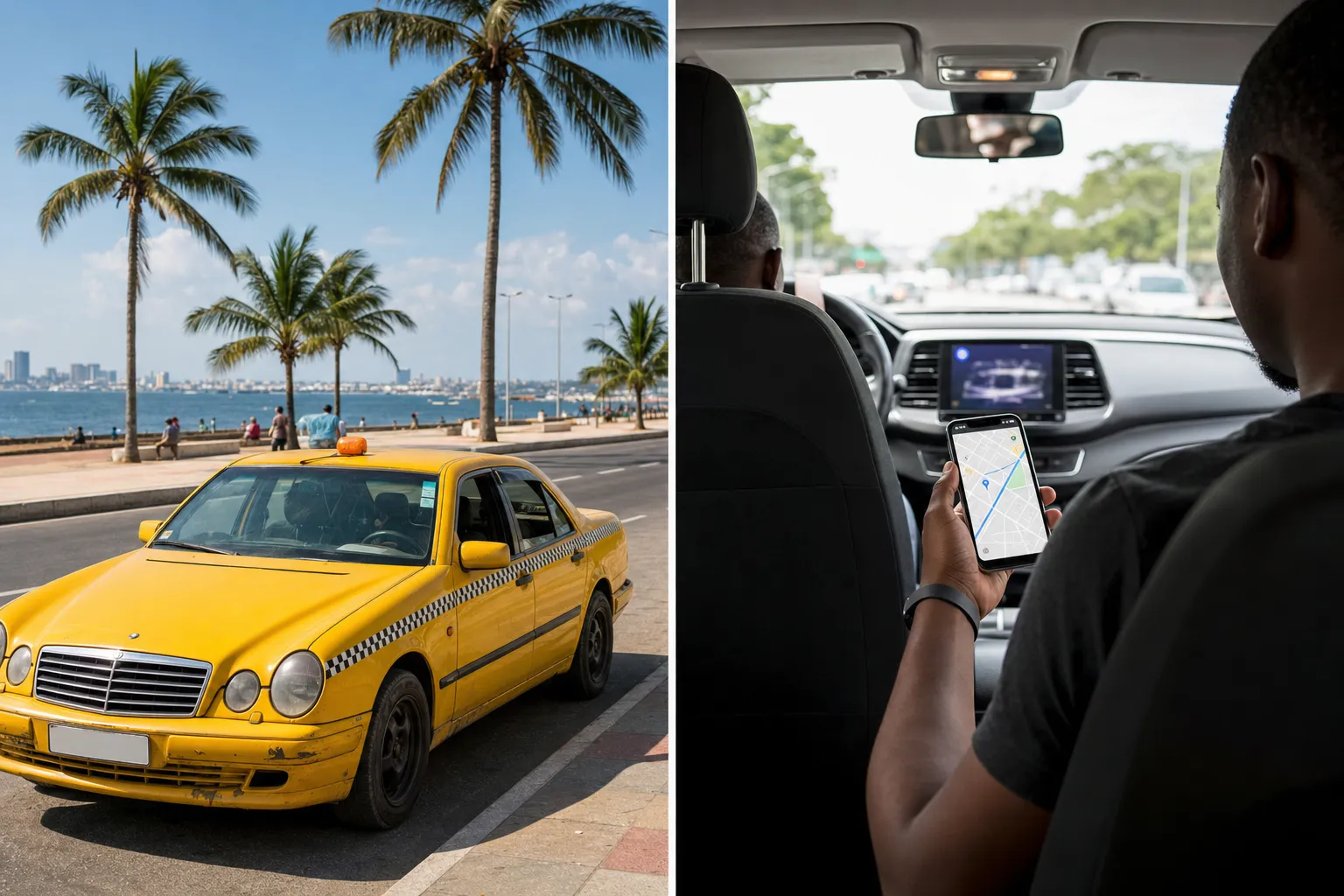
The core difference: rideshare apps (mainly Yango) offer fixed prices, GPS tracking and card payment, while traditional yellow taxis in Luanda require you to negotiate the fare up front and pay cash. [4] For tourists, rideshare is nearly always the safer, cheaper and less stressful choice.
Angola taxis at a glance:
- Yango (rideshare): app-based, transparent pricing, generally safe, works well across Luanda.
- Yellow taxis: metered rarely used; always agree fare before departure.
- Candongueiros: shared minibus, not a private taxi.
- Hotel taxis: more expensive but reliable and English-speaking sometimes available.
Do Trains Run in Angola?
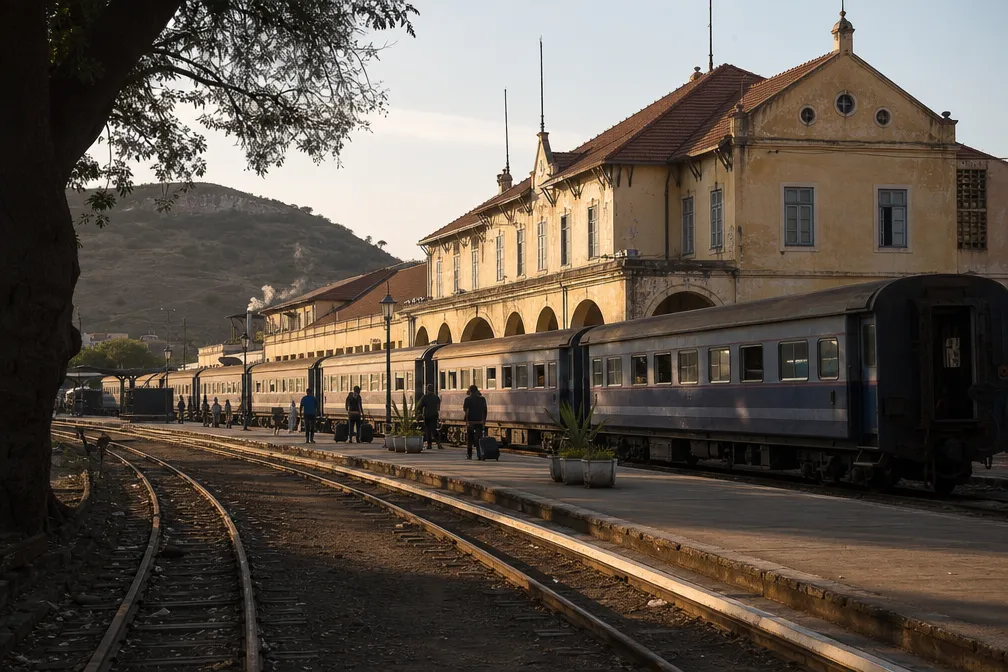
Yes, but passenger rail is limited. Angola has three main lines: the Luanda Railway (Luanda, Malanje), the Benguela Railway (Lobito, Luau) and the Moçâmedes Railway (Namibe, Menongue). [9] Most capacity is used for freight, especially minerals along the Lobito Corridor. [5]
The Benguela Railway is the most storied. Historically it connected the Congolese copper belt to the Atlantic at Lobito, and it’s been progressively rehabilitated. Passenger services do exist on some segments but schedules are irregular and comfort is basic. [5]
Realistic take: don’t plan a trip around the train, but if you’re in Lobito or Benguela and there’s a working passenger service, taking a short leg is a memorable experience. Check locally on arrival for current schedules.
How Do People Travel Long Distances in Angola?
Locals mix domestic flights, long-distance buses, shared taxis and private cars depending on budget and destination. Wealthier Angolans and expats fly. Middle-class travelers often take overnight macas. Rural populations rely on shared taxis and minibus routes.
For visitors, my honest recommendation is:
- Fly the long legs (Luanda, Lubango, Luanda, Cabinda, Luanda, Dundo).
- Rent or hire a car for regional exploration (coast, Kalandula, Kissama).
- Use rideshare in Luanda and larger cities.
What Should I Know Before Renting a Car in Angola?
Before renting, know that you’ll need an International Driving Permit, a credit card and often a minimum age of 23-25. Insurance terms vary, fuel is subsidized and cheap by European standards, but road quality outside cities is inconsistent. [4][9]
Checklist before you drive off:
- Photograph the car from every angle at pickup.
- Confirm insurance coverage (CDW, theft) in writing.
- Ask about the spare tyre, jack and emergency kit.
- Save the rental agent’s phone number.
- Always carry your passport, IDP, rental contract and vehicle papers at checkpoints.
- Fill up before leaving major towns; petrol stations thin out fast in rural areas.
Are Roads in Angola in Good Condition?
Major highways around Luanda, Benguela and Lubango are generally paved and in decent condition, but rural and secondary roads can be poor, especially in the rainy season (November to April). [9] Potholes, washed-out sections and unmarked speed bumps are common.
Road-quality quick guide:
- Good: EN-100 coastal highway (Luanda, Benguela, Lubango stretches), main city arteries.
- Mixed: Roads to Malanje (Kalandula), Huambo, and towards Namibe.
- Poor / 4x4 needed: Rural tracks into Iona, remote parts of Kissama, some Cabinda interior.
Plan daylight driving only. Night driving is discouraged due to unlit vehicles and animals on the road.
What’s the Cheapest Way to Travel Around Angola?
The cheapest way is a combination of long-distance buses (macas), candongueiros within cities and shared taxis between smaller towns. Budget travelers can move across the country for a fraction of what flights cost, at the price of time and comfort.
If you’d rather save time than money, book domestic flights early. TAAG fares are cheaper 3-6 weeks out than at the last minute.
For a full budget breakdown, see our guide on money in Angola and general Angola travel tips.
Can Tourists Easily Get Around Angola on Their Own?
Independent travel is possible but harder than in most African tourist destinations. English is limited, signage is Portuguese-only, some regions require permits, and infrastructure is inconsistent. Solo-planned trips work best for experienced Africa travelers with basic Portuguese.
Choose independent travel if:
- You’ve traveled in lusophone countries before.
- You speak some Portuguese.
- You’re comfortable improvising.
Choose a guided tour or driver if:
- It’s your first Africa trip.
- You want to see remote parks (Iona, Kissama, Kalandula) efficiently.
- You value time over cost.
What Transportation Mistakes Do Visitors Make in Angola?
The most common mistakes are underestimating distances, showing up at the wrong Luanda airport, and trying to rely on public transport as a tourist. Here’s what I see readers get wrong most often:
- Assuming the old 4 de Fevereiro airport handles all flights. All scheduled flights now leave from NBJ in Icolo e Bengo, about 40 km from central Luanda. [1]
- Not booking domestic flights early enough. Routes to Lubango and Cabinda fill up.
- Getting into unmarked taxis at the airport. Use Yango or a prepaid transfer.
- Attempting rural roads in a sedan. Get a 4x4 for parks and off-highway routes.
- Ignoring the rainy season. November to April can flood dirt roads overnight.
- Skipping travel insurance. For a country with limited medical evacuation options, this is not optional.
For safety context, check our page on is Angola safe and your government’s official travel advisory (for example the UK FCDO or the US State Department).
Practical Tips per Transport Option
- Flights: Arrive 2+ hours early at AAN. Domestic terminals are simpler than international, but security lines can be slow.
- Rental car: Ask for a printed insurance summary. Carry cash for fuel in rural areas.
- Rideshare: Keep your phone charged and buy a local eSIM before landing so Yango works from arrivals.
- Taxis: Agree fare before getting in. Have small kwanza notes ready.
- Buses: Book the day before at the terminal or through your hotel. Bring snacks and water.
- Trains: Ask locally on the day; don’t build your itinerary around them.
Conclusion
Getting around Angola isn’t as intimidating as it looks on a map, but it does reward preparation. Fly TAAG for the long hauls, use Yango or a hired driver in Luanda, and add a 4x4 when you head into the parks. Skip the crowded candongueiros unless you’re traveling light and comfortable in Portuguese.
Your next steps:
- Sketch your route using our Angola itinerary guide.
- Check the current visa rules on the Angola visa guide.
- Book domestic flights early and lock in a rental or driver for regional legs.
- Verify the latest travel advisory from your government before departure.
Angola is one of Africa’s most rewarding under-the-radar destinations. Move smart, plan the transport first, and the rest of the trip falls into place.
Distance & travel-time calculator
Choose two destinations and see the road distance, driving time and whether a flight exists.
Distances are rounded indications; actual driving times depend heavily on road surface, season (rainy season!) and checkpoints along the way. Flight durations are indicative and schedules change, so confirm with the airline. Never set off without current local information. More in our guides to transport in Angola,renting a car and theindividual routes.
Free help from our team in Angola
Want your transport arranged before you land?
Tell us where you need to go and when. We arrange the airport pickup, a driver for the day or a 4x4 with driver for longer distances.
- Local team in Angola
- No obligation, nothing to pay
- Reply by email or WhatsApp
Want to keep this guide? We email you the key points with a link to every section.
Frequently asked questions
Is it easy to fly domestically in Angola?
Yes, TAAG runs regular scheduled service to all provincial capitals, and Fly Angola resumed domestic flights in April 2025. Book ahead, especially for Lubango and Cabinda.
Can foreigners rent a car in Angola?
Yes. You'll need an International Driving Permit, passport, credit card, and usually to be 23-25+. Avis, Hertz and Europcar operate in Luanda and larger cities.
Are taxis safe in Angola?
Rideshare apps like Yango are generally safe with fixed prices and card payment. Traditional yellow taxis vary; always agree the fare before you start moving.
Is there a train system in Angola?
There are three main railway lines, but passenger service is limited. The Benguela Railway is historically important and mainly moves freight along the Lobito Corridor today.
How do I get from Luanda airport to the city?
From the new António Agostinho Neto International Airport, use a pre-booked hotel transfer, Yango, or an official airport taxi with an agreed price. Budget 45-90 minutes to central Luanda.
Do I need a 4x4 for road trips in Angola?
For paved coastal highways, no. For national parks, Malanje's Kalandula region, Iona, or travel in the November, April rainy season, yes.
References
- [1] TAAG Ends Operations at Luanda Domestic Terminal
- [2] TAAG Reforça Ligações Domésticas
- [3] Fly Angola Rebuilds Domestic Network From Lubango
- [4] Getting Around Angola
- [5] Benguela Railway
- [6] Covid 19 TAAG Volta a Voar Para Benguela
- [7] Fly Angola Suspends Domestic Flight Operations
- [8] TAAG Opera Voos Para Kinshasa e Brazzaville
- [9] Getting Around (World Travel Guide)
- [10] TAAG Angola Airlines