Quick Answer
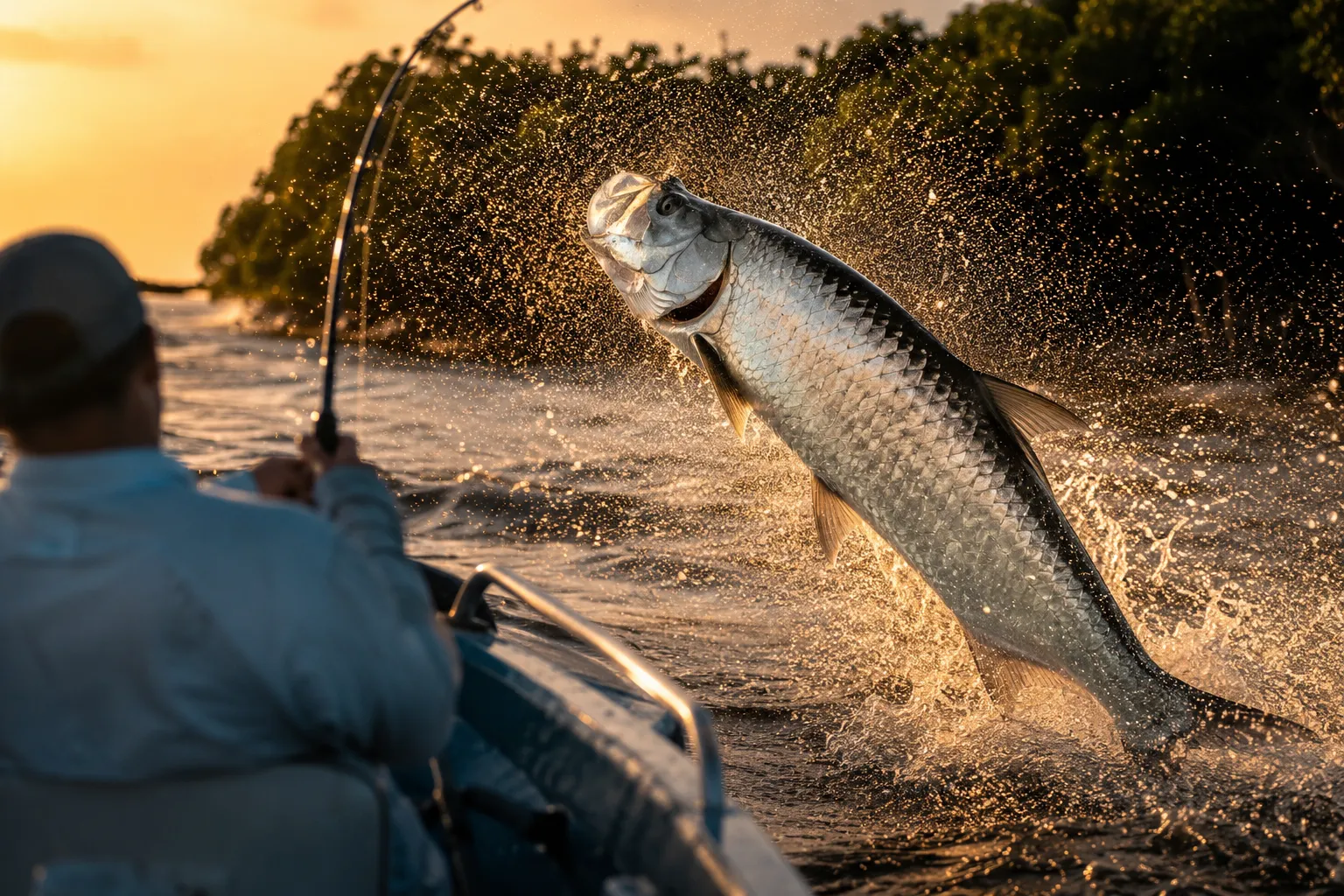
Angola is one of Africa’s least-crowded big-fish coastlines, and Angola fishing tours sport fishing trips are built around two things: giant tarpon in the estuaries and heavyweight offshore action on the Atlantic. The Kwanza (Cuanza) River mouth south of Luanda is the best known base, with tarpon targeted roughly November to March (peak December to March) and species like cubera snapper, African threadfin, giant barracuda and corvina taking over from around April to October. Most trips are sold as multi-night lodge packages including guiding, boats, meals and transfers, though day charters run out of Luanda and other ports too.
Key Takeaways
- Two seasons, two fisheries. Tarpon and billfish dominate the November to March window. April to October swings toward snapper, threadfin, barracuda and corvina.
- The Kwanza River mouth is the classic base. It sits south of Luanda and offers estuary, surf and offshore fishing from one location.
- Other regions matter. The far south around Namibe fishes cooler, nutrient-rich water. The northern coast toward Cabinda and the Congo mouth is tarpon and snapper country.
- Packages beat day trips for serious anglers. Multi-night lodge packages typically bundle boats, guides, meals, licences and transfers. Ask operators directly for current rates.
- Licensing is handled for you. Recreational and sport fishing in Angola is licensed and overseen by the fisheries ministry, and reputable operators arrange permits for clients.
- Catch and release is standard for tarpon and most billfish, with a growing conservation ethic among operators serving international anglers.
- Visa needs depend on your passport. Since September 2023, citizens of 98 countries, including most Western tourist markets, can enter Angola visa-free for tourism stays of up to 30 days; other nationalities need a visa arranged in advance. There are also rules on importing tackle and exporting fish. Confirm both before you book flights.
- Beginners can absolutely go, but pick a lodge with strong guiding rather than a bare-boat setup.
What is sport fishing in Angola, and why do anglers travel for it?
Sport fishing in Angola means guided, licensed recreational angling along roughly 1,600 km of Atlantic coastline plus a handful of major river systems, with the emphasis on large, hard-fighting fish rather than volume. What draws visiting anglers is a simple equation: serious fish, thin fishing pressure.
Angola spent decades off the international angling map. The civil war ended in 2002, and tourism infrastructure has been catching up ever since. That lag is exactly why the fishing feels the way it does. Fishing world guides describe the coast as one of Africa’s premier sport fishing destinations with comparatively low pressure as of early 2026.
The fishery breaks into three overlapping styles:
- Estuary and river-mouth fishing for tarpon, threadfin and jacks, usually from smaller centre-console boats.
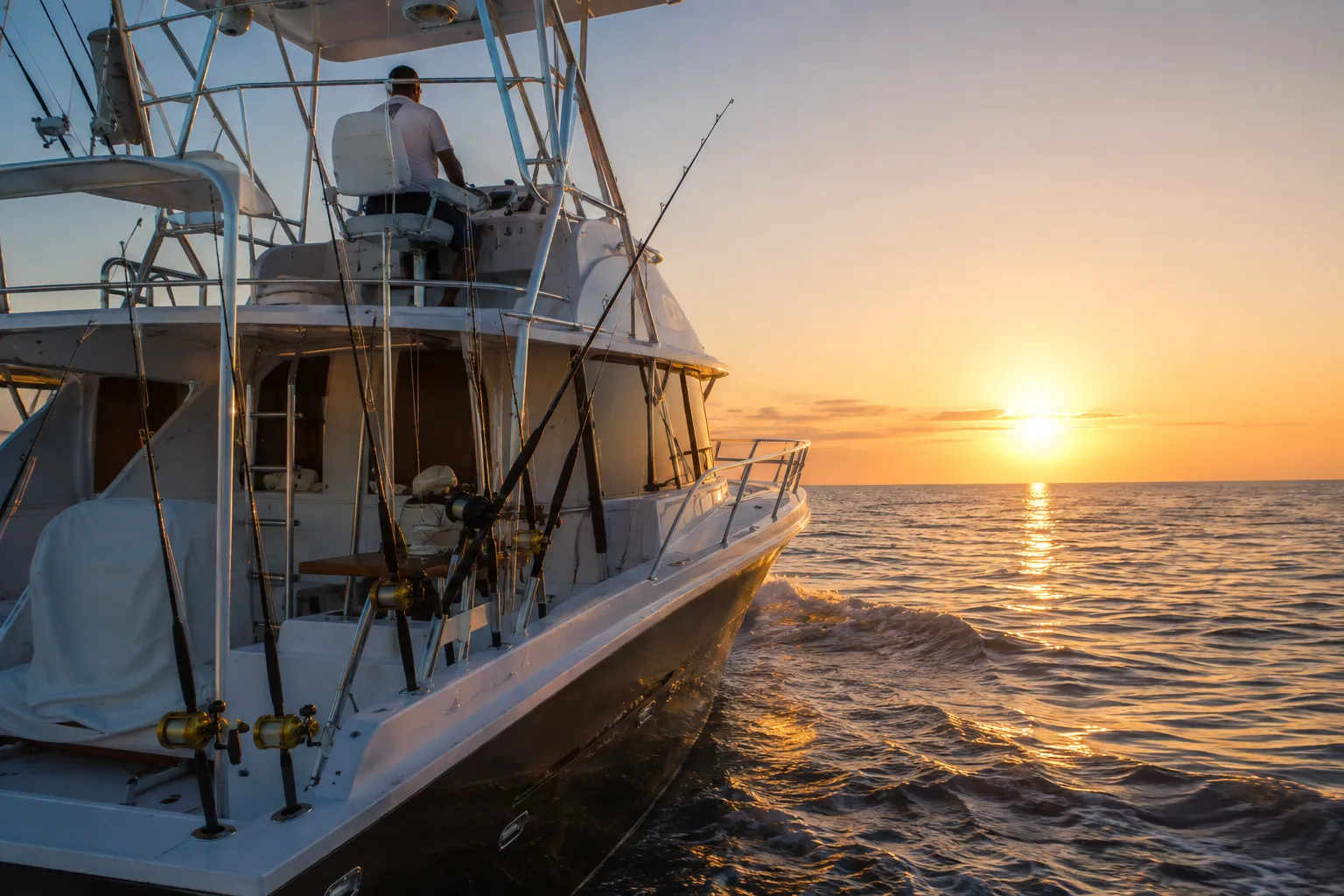
- Offshore big game for sailfish, marlin, dorado, tuna and wahoo, trolling or livebaiting off the shelf.
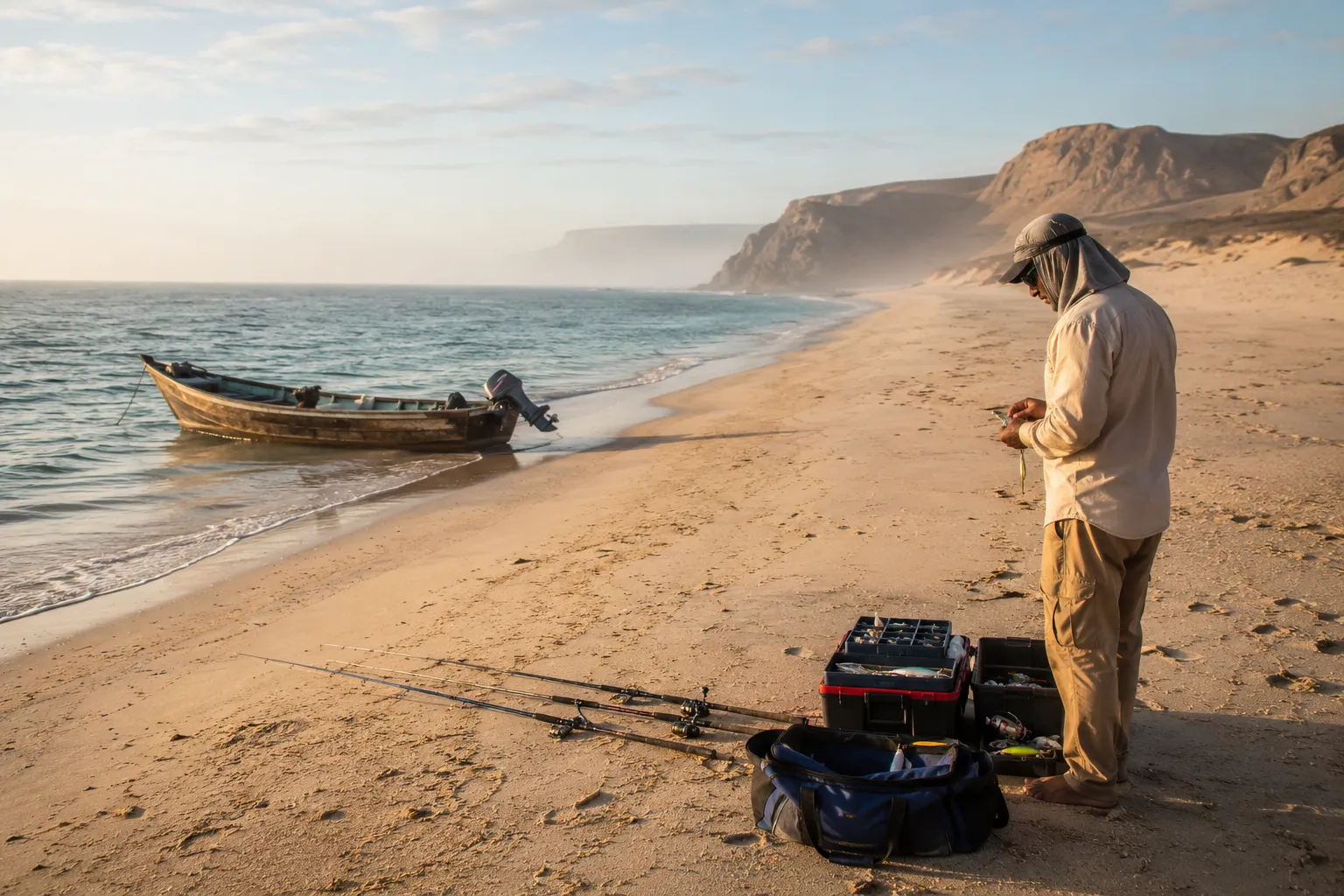
- Inshore reef and rock fishing for cubera and other snapper, grouper, barracuda and corvina, plus shore casting off beaches and points.
A friend who fished the Kwanza mouth told me the thing that stuck with him wasn’t the biggest fish of the week. It was that in six days on the water they never once saw another sport boat.
Who it suits: anglers who value fish quality and wild coastline over polished resort comfort. Who it doesn’t suit: travellers who want easy online booking, English everywhere and predictable logistics. Angola still asks for flexibility.
What fish species can you catch in Angola?
Angola’s headline species are giant tarpon in the estuaries and billfish offshore, backed by a deep bench of inshore predators. Guides list black and blue marlin, sailfish, dorado, yellowfin tuna, wahoo, giant trevally and a range of reef species among the offshore targets.
Here’s the practical breakdown of what visiting anglers realistically hook:
| Species group | Main targets | Where | Typical method |
|---|---|---|---|
| Tarpon | Atlantic tarpon | River mouths, estuaries, surf | Livebait, lures, fly |
| Billfish | Blue and black marlin, sailfish | Offshore shelf edge | Trolling, livebait |
| Pelagics | Dorado, yellowfin tuna, wahoo | Offshore and mid-water | Trolling, casting |
| Inshore bruisers | Cubera and other snapper, grouper | Rocky reef, structure | Jigging, bottom fishing |
| Jacks and trevally | Jack crevalle, giant trevally | Points, surf, estuary mouths | Poppers, stickbaits |
| Estuary and beach | African threadfin, corvina, giant barracuda | Rivers, beaches, lagoons | Bait, spinning |
Common mistake: arriving with only heavy offshore gear. Some of the best sessions in Angola happen on the beach or in an estuary with a spinning rod and a popper. Balanced tackle matters more than brute strength.
Edge case: sharks show up regularly, and on some stretches they will tax hooked fish before you land them. Good guides move you rather than fight a losing battle.
Is Angola good for saltwater or freshwater fishing?
Angola is overwhelmingly a saltwater and brackish estuary destination. The vast majority of Angola fishing tours sport fishing packages are built on Atlantic coastal fishing and the tidal lower reaches of rivers like the Kwanza, not on pure freshwater angling.
That said, inland river fishing exists and is slowly getting organised. Regional reporting from 2024 to 2026 covered a second edition of an International Sport Fishing Competition on the Cuito River in Cuando Cubango province, won again by the Fish On Fishing Club from Namibia with 24 points and prize money of 276,000 kwanzas [14 as reported in regional coverage]. It signals real and growing interest in the interior systems, but the commercial tour product is still coastal.
Choose saltwater if you want tarpon, billfish or big snapper. Consider interior rivers only if you are already comfortable with self-supported travel in remote Angola and are working with a local operator.
Best time of year for fishing in Angola
The broad rule: November to March for tarpon and billfish, April to October for snapper, threadfin, barracuda and corvina. Tarpon peak is most commonly given as December to March, and that same window brings sailfish, dorado, marlin and jack crevalle into the mix.
Season at a glance:
- November to March (wet, warmer): tarpon season proper. Sailfish are frequently described as most active December to March. Marlin and dorado feature. Humid, with rain and occasionally lumpy river conditions.
- April to October (dry, cooler): cubera and other snapper, African threadfin, giant barracuda and corvina take over. More stable weather, cooler water inshore.
- June to early September: African threadfin push into the rivers to spawn, which creates a very specific and productive estuary window.
The fishing calendar and the general travel calendar don’t perfectly overlap. Angola’s dry season, roughly May to October, is the easier time to move around the country. If you want to combine fishing with sightseeing, read our guide to the best time to visit Angola before locking dates.
Decision rule: if a tarpon is the point of the trip, book December to March and accept the humidity. If you want easier travel, mixed species and better road conditions, aim for the dry months.
Where are the main sport fishing regions in Angola?
The Kwanza (Cuanza) River mouth south of Luanda is the best known and most developed area, with lodges and charters operating along that stretch of coast. Beyond it, the far south around Namibe and the northern coast toward Cabinda and the Congo mouth are the other established zones.
Kwanza River mouth and Cabo Ledo (central coast) The default choice for a first trip. Estuary tarpon water, surf beaches, rocky points and offshore access all within reach of one base. Close enough to Luanda that transfers are manageable, which keeps package logistics simple.
Benguela and Lobito coast Working port cities with charter activity and a long, varied coastline of reefs and beaches. Good if you want a town base rather than an isolated lodge.
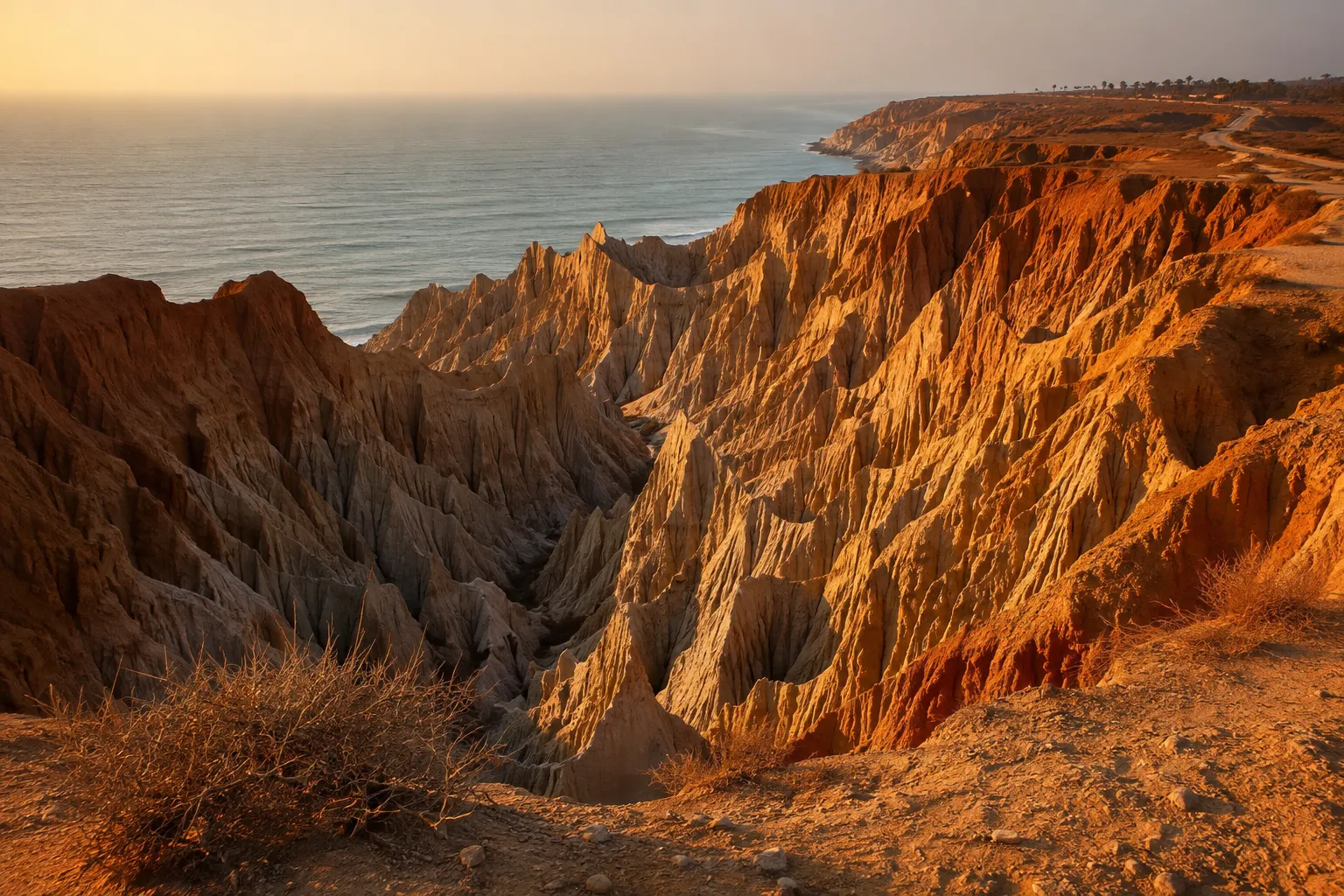
Namibe and the far south Cooler, nutrient-rich Benguela current water, dramatic desert coastline and a different species mix. The scenery alone justifies the trip. Our Namibe travel guide covers what the region is like beyond the fishing.
Northern coast, Soyo and Cabinda Tarpon and snapper country around the Congo River influence. Note that Cabinda often carries stricter travel advisories than the rest of Angola, so check your own government’s travel advisory before planning anything there.
Many of these regions double as beach destinations. If you’re travelling with non-anglers, our round-up of the best beaches in Angola helps you pick a base that works for everyone.
How are Angola fishing tours sport fishing trips actually sold?
Two models dominate: multi-night lodge packages of around five to eight nights, and single-day charters booked out of a port. Serious anglers almost always go the package route because it solves transport, guiding, licences and accommodation in one purchase.
Multi-night lodge packages typically bundle:
- Airport meet-and-greet and road or boat transfer to the lodge
- Accommodation, usually on a shared or single-supplement basis
- All meals, often with drinks included or on a bar-tab basis
- A set number of boat fishing days with a guide and skipper
- Basic tackle and terminal gear, though most anglers bring their own rods
- Fishing licences and permits arranged on your behalf
- Sometimes one dedicated shore-fishing day, which specialist operators market as part of the itinerary
Day charters are sold per boat, per day. You share the cost between anglers, and you arrange your own hotel, meals and transport. This works well if you’re already in Luanda or Lobito for other reasons and want a day or two on the water.
Decision rule: if you have a week or more and the fishing is the reason for the trip, book a package. If you have two spare days on a business trip or a broader Angola itinerary, book a day charter. For help thinking through whether you need an operator at all, see our piece on Angola tours and whether you need a guide.
How much does an Angola fishing tour cost?
Costs vary widely by region, boat, season and inclusions, so the only reliable figure is the one an operator quotes you in writing for your dates. Published charter and package ranges do circulate online: fishing directories list offshore big-game charters and multi-night Kwanza tarpon packages within broad bands, and figures in the region of several hundred to well over a thousand US dollars per boat per day for offshore charters, and low-to-mid four figures per person for week-long tarpon packages, have been quoted in 2025 to 2026 guides.
Treat those as orientation only, not a quote. Here’s what actually moves the number:
- Boat type and fuel. Offshore billfish days burn far more fuel than estuary tarpon sessions.
- Season. Peak tarpon and billfish months carry premium pricing and book out earliest.
- Group size. Charter costs are per boat, so four anglers sharing changes the per-person maths dramatically.
- Single supplements. Solo travellers often pay noticeably more at lodges.
- Extras not in the package. International flights, visa costs, travel and medical insurance, tips, alcohol, tackle you break.
What to ask before you pay a deposit:
- Exactly how many fishing days and hours per day?
- What happens if weather cancels a day? Refund, credit or nothing?
- Are licences and permits included, and in whose name?
- What tackle is provided versus expected from you?
- Is the transfer from Luanda included both ways?
- What’s the deposit, balance schedule and cancellation policy in writing?
Do you need a fishing license for Angola?
Yes. Recreational and sport fishing in Angola is regulated by Presidential Decree 146/13 of 30 September 2013, the Regulation on Recreational and Sports Fishing, issued under Law 6-A/04 on Aquatic Biological Resources. The rules apply to nationals and foreigners alike, the licence is personal and non-transferable, and it is issued through the Ministry of Fisheries and Marine Resources. In practice, reputable lodges and charter operators obtain the paperwork on behalf of their guests, which is the main reason independent fishing without a licensed local operator is a bad idea.
A few points worth knowing from the same framework and from operators working there:
- Spearfishing is permitted only on breath-hold, with mask and snorkel. Using scuba gear for spearfishing is prohibited.
- Explosives, toxic substances and electrofishing are banned outright.
- Exclusion zones apply around offshore oil installations.
- Fishing is restricted or prohibited inside protected marine areas and sensitive estuaries.
- Seasonal restrictions apply on some river systems during spawning periods.
- Release is strongly encouraged for tarpon and billfish, and most operators run those species as catch and release by policy.
Because the annual fisheries management measures are updated by decree each year, the detail can shift. Ask your operator to confirm what applies for your dates.
Separately, Angola has rules on importing fishing tackle and on what fish or fish products may be kept or exported. These change, and enforcement varies by port of entry. Don’t guess. Ask your operator to confirm the current position in writing, and cross-check with your own government’s travel advisory and the Angolan diplomatic mission that serves your country.
What’s included in an all-inclusive Angola fishing package?
An all-inclusive package usually covers everything from the moment you land in Luanda to the moment you fly out, except international flights, visa fees and insurance. The core inclusions are accommodation, all meals, boat days with a skipper and guide, licences, and ground or water transfers.
Typically included: Accommodation, all meals, drinking water, transfers from Luanda, guided boat fishing days, skipper and deckhand, boat fuel, ice, basic terminal tackle, lures, licences and permits, and often one shore-fishing day.
Typically not included: International and domestic flights, visa, travel and medical insurance including evacuation cover, alcohol, tips for guides and staff, personal rods and reels, fly lines and leaders, laundry, and any extra boat day you add on site.
Common mistake: assuming “all-inclusive” covers medical evacuation. It almost never does. Angola’s remote coastal lodges are hours from a serious hospital. Buy a policy that explicitly covers offshore boating and evacuation.
Can beginners go on Angola sport fishing tours?
Yes, with the right operator. Guided Angola fishing tours sport fishing packages work fine for reasonably fit beginners because the crew rigs, positions the boat and coaches you through the fight. What Angola is not is a gentle place to learn from scratch on your own.
Realistic expectations for a first-timer:
- Fitness matters more than skill. A tarpon or a big cubera is a physical fight in warm, humid conditions. If you can’t hold a bent rod for twenty minutes, you’ll struggle.
- Sea sickness is common on offshore days. Bring medication and take it before you leave the dock, not after you feel ill.
- Expect to lose fish. Tarpon throw hooks. Cubera bury into structure. That’s the game.
- Ask for an estuary-heavy itinerary on your first trip. Shorter runs, calmer water, more casts.
Choose a beginner-friendly setup if you want lodge-based fishing with a dedicated guide per boat and provided tackle. Skip Angola for now if you’ve never fished saltwater at all and would be better served by a shorter, cheaper trip closer to home first.
What’s the difference between guided and unguided fishing in Angola?
In practical terms, guided is the only realistic option for visiting anglers. Because licensing runs through operators and independent fishing without a licensed local operator is not considered permitted or advisable, “unguided” in Angola generally means self-drive shore fishing arranged through a local host, not a bare-boat charter.
| Guided lodge or charter | Semi-independent shore fishing | |
|---|---|---|
| Licensing | Handled by operator | Must still be arranged locally |
| Boat access | Included | Usually none |
| Local knowledge | High, tide and structure specific | Depends entirely on your host |
| Logistics burden | Low | High: vehicle, fuel, navigation |
| Best for | First trips, offshore, tarpon | Repeat visitors with local contacts |
Edge case: experienced anglers who already know southern Angola sometimes combine a self-drive coastal trip with a couple of chartered days. That works, but it demands a 4x4, Portuguese or a translator, and realistic planning. Our guide to getting around Angola covers road conditions and vehicle options.
Is Angola fishing better than other African countries?
Angola’s advantage is quality plus low pressure, not convenience. The fishery is regularly compared favourably to more famous Atlantic and tropical destinations, while infrastructure, marketing and online booking remain limited and concentrated among a handful of specialist operators.
How it stacks up in general terms:
- Versus Mozambique: Mozambique has more established lodges, easier booking and a strong Indian Ocean gamefish scene. Angola offers Atlantic tarpon, which Mozambique cannot.
- Versus Gabon and Guinea-Bissau: these are Angola’s real peers for giant tarpon and threadfin. Angola typically wins on flight access via Luanda.
- Versus South Africa and Namibia: far easier logistics and self-drive shore fishing, but a different, cooler-water species mix without tarpon or reliable billfish.
Honest downside list for Angola: cost of living in Luanda is high, English is limited outside tourism, booking is often by email rather than instant online systems, and domestic flight schedules change. If you need certainty, Angola will frustrate you. If you want water nobody else is fishing, it delivers.
How do I get to Angola for a fishing tour, and what about transfers?
Almost everyone arrives by air into Luanda, then continues to the fishing base by road transfer, boat, or a domestic flight if heading to Namibe or Cabinda. Luanda is the hub for international connections from Europe, and there are routes connecting via Lisbon, various African hubs and Johannesburg for South African anglers.
Step-by-step logistics:
- Sort the visa first. Since September 2023, citizens of 98 countries can enter Angola visa-free for tourism stays of up to 30 days; other nationalities need a visa arranged in advance. Rules change, so check the current position via our Angola visa guide and confirm with the official Angolan migration authority before booking non-refundable flights.
- Book flights into Luanda and give yourself a buffer night on arrival if your transfer leaves early.
- Confirm your rod tube plan. Airline oversize baggage policies and Angolan tackle import rules both apply. Ask your operator what other clients have done recently.
- Arrange the transfer through the lodge. Kwanza-area lodges are typically a road transfer of a few hours from Luanda, or shorter with a boat leg.
- For Namibe or Cabinda, budget for a domestic flight plus ground transfer, and build in schedule slack.
- Plan a spare day in the capital. Our Luanda city guide covers where to stay and what’s worth seeing on a fishing bookend day.
Common mistake: booking a tight same-day connection from an international arrival to a domestic flight. Domestic schedules shift. A night in Luanda is cheap insurance compared with missing a paid fishing day.
What should I pack for an Angola fishing trip?
Pack for heat, salt, sun and long boat days, and assume you cannot buy replacements locally. Confirm tackle import rules with your operator before you fly.
Fishing gear
- Rods matched to the target: heavy spinning and conventional for tarpon and cubera, appropriate offshore gear if billfishing
- Reels with fresh line, plus spare braid and heavy fluorocarbon leader
- Spare hooks, split rings, swivels, jigs, poppers and stickbaits
- A hard rod tube that survives baggage handling
- Pliers, cutters, hook file, gloves for leadering
Clothing and sun protection
- Long-sleeve UPF shirts and long fishing trousers
- Buff or neck gaiter, wide-brim hat, polarised sunglasses with retainer
- Reef-safe high-factor sunscreen and zinc for face and hands
- Light waterproof shell for the wet season, wet-wading footwear plus dry shoes
Health and practical
- Malaria prophylaxis discussed with a travel clinic before departure. Malaria is present countrywide.
- Yellow fever vaccination documentation, commonly required for entry. Verify current requirements with WHO guidance and an authorised travel clinic.
- Insect repellent, rehydration salts, sea sickness medication, basic first aid, blister and hand-care supplies
- Cash in reasonable amounts. Card acceptance is limited outside major hotels and cities.
- A dry bag, waterproof phone case and a power bank. Angola runs 220V, 50Hz with European C and F plugs.
Common mistakes people make on fishing trips to Angola
The biggest mistake is treating Angola like a booking-site destination and leaving logistics to chance. The second biggest is arriving with the wrong tackle for the season you booked.
The full list I’d give a friend:
- Booking the wrong season. Turning up in July expecting tarpon, or in January expecting settled seas. Match dates to species.
- Ignoring visa lead time. Sort entry documents before non-refundable flights, not after.
- Underestimating transfers. Coastal roads and river crossings take time. Build in slack days.
- Skimping on insurance. Offshore boating and evacuation cover are non-negotiable here.
- Bringing untested gear. Old braid and corroded drags fail on the first big fish.
- Assuming English. Portuguese is the official language and English is limited outside tourism. Learn a few phrases and confirm your guide’s language level.
- Not asking about release policy. If catch and release matters to you, confirm the operator’s approach before booking.
- Forgetting export rules. There are restrictions on what fish or products may be kept or taken out of the country. Check current rules rather than assuming.
How does catch and release work in Angola?
Catch and release is now the norm for tarpon and most billfish among operators serving international anglers, and 2026 guides describe a clear trend toward sustainable practice at the higher end of the market. Sport anglers are generally described as subject to moderate catch limits rather than open harvest.
Good release practice on the water:
- Keep the fight as short as the tackle allows
- Use single hooks and crushed barbs where the fishery permits
- Support big fish horizontally and never lift a large tarpon fully out of the water
- Revive the fish alongside the boat before letting go
- Photograph fast, in the water where possible
Some lodges will keep a modest number of table fish for the kitchen, which is normal and sustainable in moderation. What you should not accept is trophy killing of tarpon or billfish. Ask the question during booking. The answer tells you a lot about the operator.
Conclusion
Angola rewards anglers who plan properly and stay flexible. The fishing is genuinely strong, the pressure is genuinely low, and the trade-off is that you have to do more of the organising by email and phone than you would for a mainstream destination.
Your next steps, in order:
- Pick your species, then your dates. Tarpon and billfish means December to March. Snapper, threadfin, barracuda and corvina means April to October.
- Choose a region. Kwanza River mouth for a first trip, Namibe for wild southern coastline, the north for tarpon and snapper with advisory checks first.
- Contact two or three specialist operators and request current rates, exact inclusions, weather-cancellation policy and their catch-and-release stance in writing.
- Confirm entry requirements and tackle rules through official channels before booking non-refundable flights.
- Book insurance that covers offshore boating and medical evacuation.
- Book a buffer night in Luanda on both ends of the trip.
Do those six things and Angola becomes one of the most rewarding fishing trips available in Africa right now. Skip them and it becomes an expensive lesson in logistics.
Free help from our team in Angola
Planning a fishing trip to Angola?
Tell us what you want to catch and when. We help with the transfer to the Kwanza River mouth or the south and with the practical side around your fishing days.
- Local team in Angola
- No obligation, nothing to pay
- Reply by email or WhatsApp
Want to keep this guide? We email you the key points with a link to every section.
Frequently asked questions
Do I need a fishing licence to fish in Angola as a tourist?
Yes. All recreational and sport fishing requires licensing under the Ministério das Pescas e Recursos Marinhos, and licensed operators normally arrange permits for their clients. Fishing independently without a licensed local operator is not considered permitted.
When is the best month for tarpon in Angola?
The tarpon window runs roughly November to March, with the peak most commonly given as December to March. Sailfish, marlin, dorado and jack crevalle are also active in that period.
Can I fish Angola in the dry season?
Yes, but the target list changes. From around April to October the focus shifts to cubera and other snapper, African threadfin, giant barracuda and corvina, with threadfin running into the rivers to spawn from June to early September.
Is Angola safe for a fishing trip?
Most visitor problems are petty crime in Luanda rather than risks at remote coastal lodges. Cabinda often carries stricter advisories. Check your own government's travel advisory shortly before you travel and follow your operator's guidance on movement.
Can I bring my own rods and reels?
Usually yes, but Angola has rules on importing fishing tackle and airlines have their own oversize baggage policies. Confirm the current position with your operator and airline before you fly rather than relying on older reports.
Do I need to speak Portuguese?
Not strictly, since guides at international-facing lodges usually manage some English. Portuguese is the official language and English is limited elsewhere, so a phrasebook and a few basic phrases make transfers and towns much easier.
Are Angola fishing packages worth it compared with day charters?
For a dedicated fishing trip, yes. Multi-night packages consolidate boats, guiding, licences, meals and transfers, which removes most of the logistical risk. Day charters make sense only if you're already in a port city.