Two hundred elephants live within a two-hour drive of Angola’s capital. That single fact tells you almost everything you need to know about why Kissama National Park deserves a spot on your itinerary, and why so few travelers have heard of it. This is the closest thing Africa has to a “beginner safari” that still feels genuinely wild, and it sits on the doorstep of Luanda.
Quick answer
Kissama National Park (also written Quiçama or Quicama) is Angola’s most accessible safari destination, roughly 70 km south of Luanda along the Atlantic coast. Visitors can spot reintroduced elephants, giraffes, zebras, antelopes and hippos on the Kwanza River. A guided day trip costs from around 120 USD per person, and the dry season (May to October) is the best time to visit [2].
Key takeaways
- Kissama sits about 70 km south of Luanda, roughly a 1.5 to 2 hour drive [3].
- The park was replenished through “Operação Arca de Noé” (Operation Noah’s Ark) in 2001-2002 [2].
- Wildlife includes elephants (around 200), giraffes, zebras, antelopes, hippos and diverse birdlife [2].
- Full-day guided safaris start around 120 USD per person [2].
- Best time to visit: dry season, May to October.
- Self-drive is possible with a 4x4, but a guided tour is strongly recommended.
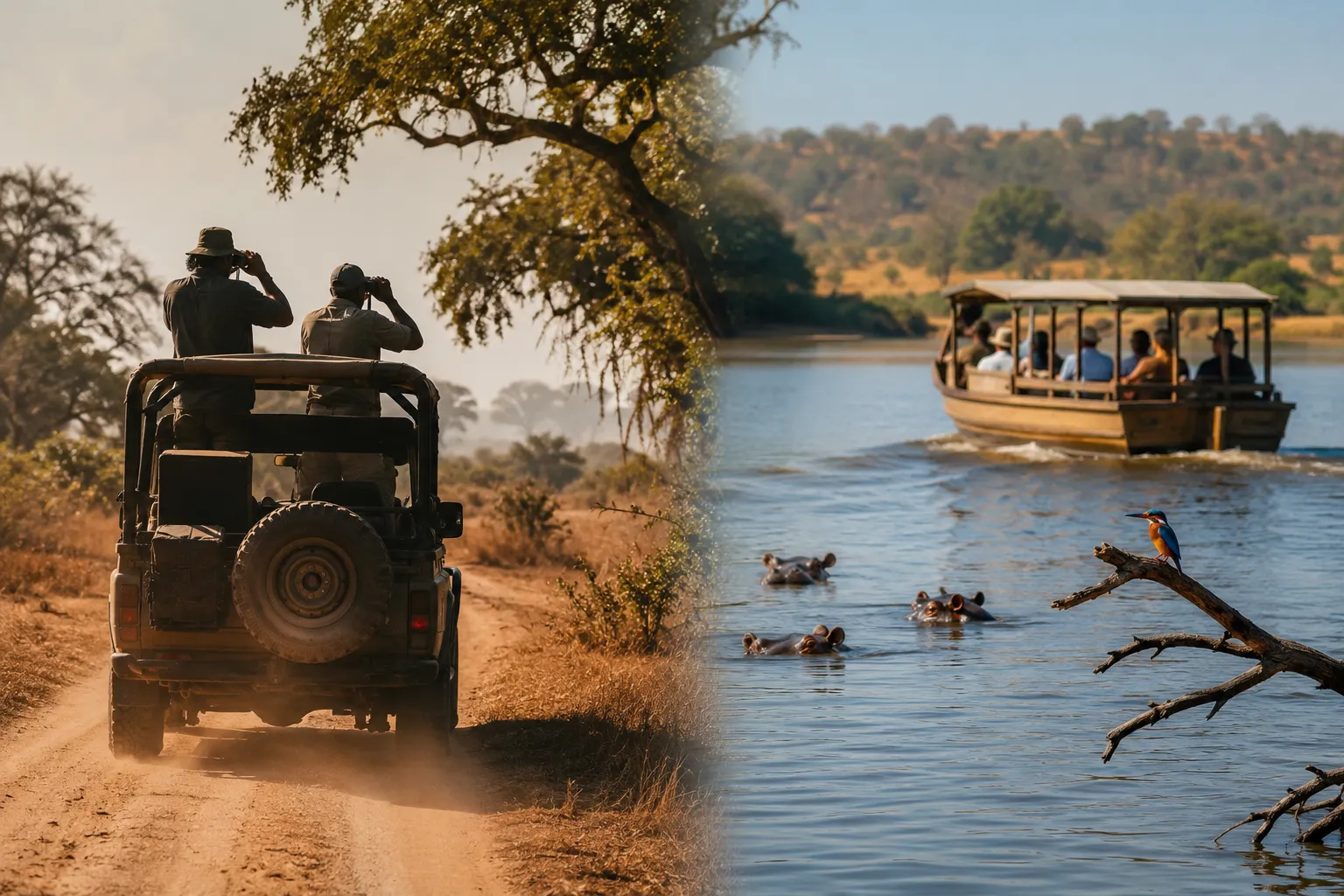
- Kwanza River boat trips add hippos, crocodiles and birdwatching to the experience.
- Kissama is safer and easier than most first-time African safaris, but expect basic infrastructure.
What is Kissama (Quicama) National Park
Kissama National Park is a roughly 9,600 km² protected area on Angola’s Atlantic coast, known for its savanna, baobab groves and mangrove-lined riverbanks. It was established as a game reserve in 1938 and declared a national park in 1957 [1]. During Angola’s civil war (1975-2002), poaching devastated its large mammal populations, leaving the park almost empty of big game.
That changed with Operation Noah’s Ark, a landmark 2001-2002 project that translocated elephants and other large mammals from Botswana and South Africa to help repopulate Kissama [2]. Today the park is one of Africa’s most compelling conservation comeback stories, and the easiest way for travelers to experience Angolan wildlife without a long overland expedition.
You’ll also see the name spelled Quicama, Quiçama or Quissama. All refer to the same park.
“Kissama is not the Serengeti. It’s something rarer: a wilderness rebuilding itself in real time, minutes from a capital city.”
Where is Kissama National Park located in Angola
Kissama lies in Bengo Province, on the Atlantic coast south of Luanda and just past the mouth of the Kwanza (Cuanza) River. The main entrance is reached via the EN-100 coastal road, roughly 70 km from central Luanda [3]. The park stretches inland from the coast, bordered by the Kwanza River to the north and the Longa River to the south.
This location matters. Most African safari destinations require an internal flight or a long drive from the nearest international airport. Kissama is close enough for a genuine day trip from Luanda, which changes the math for anyone with a short trip or a business-plus-leisure itinerary.
What animals can you see at Kissama National Park
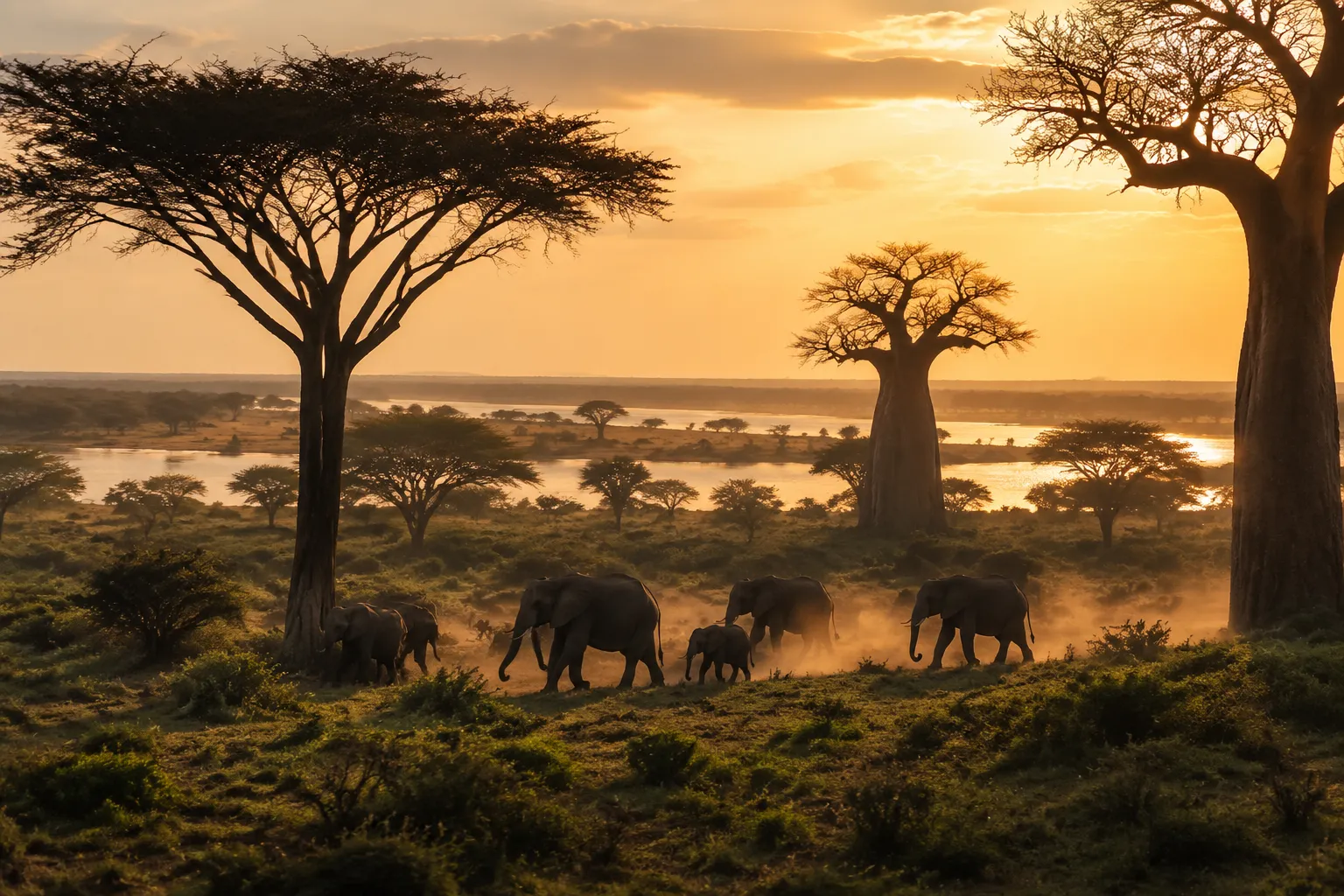
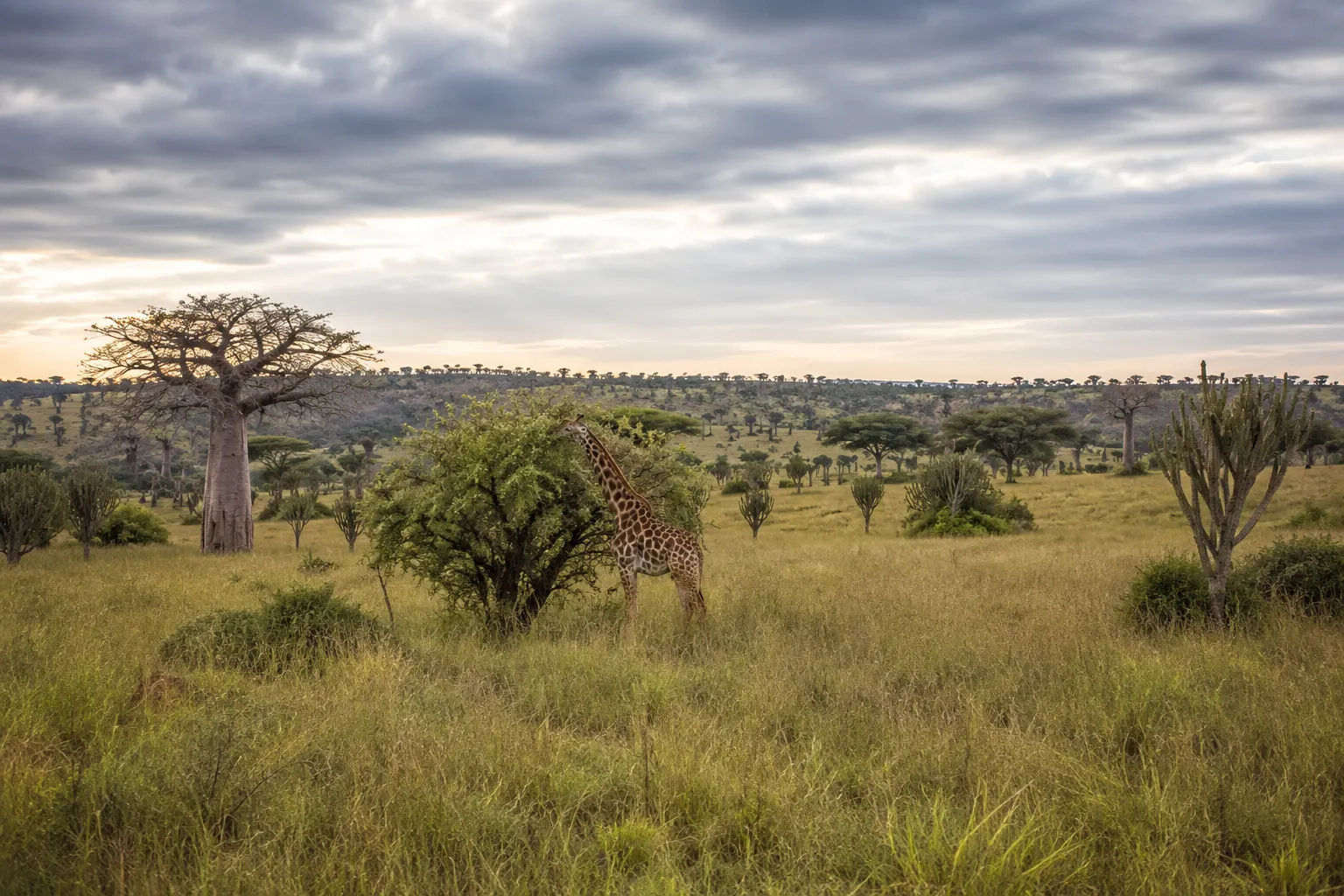
You can realistically see African elephants, giraffes, zebras, several antelope species (including eland and kudu), warthogs, hippos and crocodiles at Kissama, plus rich birdlife. The park hosts an estimated 200 elephants and growing populations of the species reintroduced during Noah’s Ark [2].
What you generally will not see: lions, cheetahs or leopards in easy numbers. Kissama is not currently a “Big Five” park. That’s a feature, not a bug, if you’re new to safaris, sightings feel calmer and less rushed.
Typical sightings include:
- Elephants browsing on baobabs and euphorbias
- Giraffes in small family groups on the savanna
- Zebras and antelopes grazing near waterholes
- Hippos and crocodiles along the Kwanza River
- Sea turtles nesting on the coastal strip (seasonal)
- Birds: fish eagles, kingfishers, hornbills, herons and many migratory species [4]
What wildlife has been reintroduced to Kissama
The centerpiece of Kissama’s story is the 2001-2002 Operation Noah’s Ark, one of the largest wildlife translocations in African history. Elephants, elands and other large mammals were moved from Botswana and South Africa, where populations were locally overabundant, into Kissama to rebuild ecosystems shattered by war [2].
Two decades later, elephant numbers alone have grown to roughly 200 individuals, and the park continues to add species and expand anti-poaching efforts [2]. It’s a rare example of a heavily damaged ecosystem visibly recovering within a single generation.
Can you do a safari at Kissama National Park
Yes. Kissama offers guided game drives in open or closed 4x4 vehicles, plus optional boat safaris on the Kwanza River. A typical full-day itinerary from Luanda includes hotel pickup, the drive south, a morning game drive, lunch at a park lodge or picnic site, an afternoon drive or river cruise, and return to the city [2].
Choose a guided safari if you want to see the most wildlife, don’t have a 4x4, or you’re visiting Angola for the first time. Consider self-drive if you’re an experienced overlander with your own 4x4, GPS, spare fuel and Portuguese language basics.
How do I get to Kissama National Park from Luanda
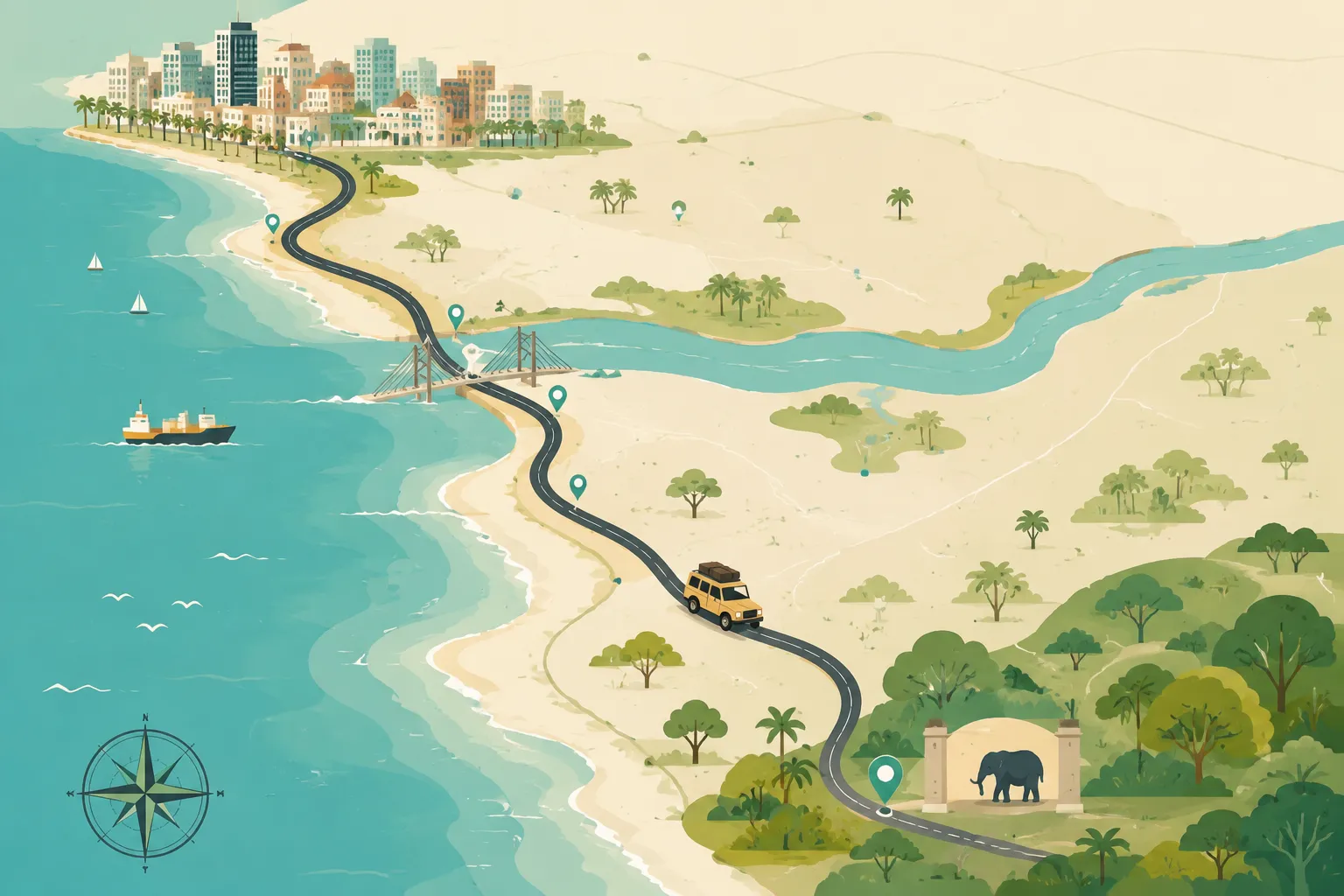
Drive south from Luanda on the EN-100 coastal highway for roughly 1.5 to 2 hours, cross the Kwanza River bridge, and follow signs to the park entrance [3]. The distance is about 70 km, but traffic leaving Luanda and rougher road sections inside the park stretch the travel time.
Route summary:
- Leave central Luanda before 07:00 to avoid traffic.
- Follow the coastal road south past Mussulo and Miradouro da Lua.
- Cross the Kwanza River bridge, the park entrance is a short drive beyond.
- Register at the park gate and meet your ranger or guide.
- Inside the park, a 4x4 is strongly recommended, especially after rain [3].
Public transport doesn’t realistically serve the park. Rental car, private driver or organized tour are your practical options. For a wider picture of getting around, see our guide on travelling to Angola.
Kissama National Park entrance fee and ticket prices
Entrance fees at Kissama are modest compared to East African parks, but exact amounts change and are best confirmed with the park authority or your tour operator before you go. Most guided day tours from Luanda bundle entrance, transport, guide and lunch into a single price starting around 120 USD per person [2].
If you’re self-driving, budget separately for:
- Park entrance (per person, per vehicle)
- Mandatory ranger/guide fee
- Optional Kwanza River boat trip
- Fuel from Luanda and back (a full tank plus reserve)
Ask your operator for a written breakdown so you know what’s included. Cash in Angolan kwanza is useful for tips and any on-site extras, card acceptance is limited outside Luanda.
Kissama National Park guided tour cost
Full-day guided safaris from Luanda typically start at around 120 USD per person, with private and multi-day options going higher [2]. Prices depend on group size, vehicle type (shared vs private), whether a river boat trip is included, and pickup location.
| Tour type | Typical duration | Indicative price (USD, per person) |
|---|---|---|
| Shared day tour from Luanda | 10-12 hours | From ~120 |
| Private day tour | 10-12 hours | Higher, varies by group size |
| Day tour + Kwanza boat trip | 12+ hours | Add-on cost |
| Overnight lodge stay | 2 days / 1 night | Higher, includes lodging |
Prices indicative for 2026, based on operator listings [2]. Always confirm current rates directly with your provider.
Kissama vs Iona National Park: which is better
Choose Kissama if you have limited time, are based in Luanda and want big-mammal sightings without a long journey. Choose Iona if you want dramatic desert landscapes, welwitschia plants and near-total solitude, and you can commit to a multi-day expedition to Namibe in Angola’s far south.
Both are worth visiting. They’re not really competitors, they answer different questions. Kissama is the accessible safari. Iona is the epic desert adventure. If you want to compare all of Angola’s protected areas in one place, see our overview of national parks in Angola.
What’s the difference between Kissama and other African national parks
Kissama is smaller in wildlife density than the famous East and Southern African parks (Serengeti, Kruger, Okavango), and it lacks big cats in visible numbers. What it offers instead is proximity, quiet, and an active conservation story you can literally see unfolding.
Key differences at a glance:
- Fewer visitors: you’ll often have sightings to yourself.
- No Big Five in easy numbers: expect elephants, giraffes and antelopes, not lions.
- Recovering ecosystem: the park is still rebuilding after decades of war.
- Portuguese-speaking staff: brush up on basics or book an English-speaking guide.
- Accessible from a capital city: unusual for African wilderness of this size.
How many days should you spend at Kissama
One full day is the minimum, and two days (with an overnight in a park lodge) is ideal. A single day gives you a morning and afternoon game drive with lunch in between. Two days lets you add a Kwanza River boat safari, catch the best light at dawn and dusk, and slow the pace considerably.
If you’re combining Kissama with the rest of Angola, plan it as a 1-2 day segment inside a longer Angola itinerary that also covers Kalandula, Lubango and the coast.
Best time to visit Kissama National Park
The best time to visit is the dry season, from May to October. Grass is shorter, animals concentrate around waterholes, roads are drier, and mosquitoes are fewer. Temperatures are mild by tropical standards, and Luanda itself is at its most pleasant.
The rainy season (November to April) turns some park tracks muddy and pushes wildlife deeper into cover. It’s still visitable, especially if you enjoy green landscapes and birdlife, but sightings can be harder and driving conditions more demanding. For a full seasonal breakdown, see our guide on the best time to visit Angola.
Kissama National Park accommodation and lodges
Accommodation inside and near Kissama is limited but functional. The best-known option is a park-run lodge with basic bungalows, restaurant and a swimming pool overlooking the savanna. Expect simple, comfortable rooms rather than luxury tented camps.
Where to stay, in practice:
- Inside the park: rustic bungalow lodges, ideal for early morning drives.
- Cabo Ledo area (south of the park): coastal resorts popular with surfers and weekenders.
- Luanda: full range of international hotels, best if you’re doing a day trip.
Book well in advance, especially in dry season and around Angolan public holidays. For city-side options, our accommodatie Angola guide compares neighborhoods and price ranges.
Is Kissama National Park safe to visit
Yes, Kissama is generally considered safe for tourists visiting with a licensed guide or reputable operator. Wildlife is managed, roads inside the park are patrolled by rangers, and there have been no widely reported security incidents targeting visitors in recent years.
Standard precautions still apply:
- Stay in your vehicle during game drives unless a ranger says otherwise.
- Don’t wander off marked tracks, landmine risk is largely cleared but caution is wise in Angola’s rural areas.
- Carry water, sunscreen, insect repellent and any personal medication.
- Take malaria prophylaxis (Angola is a malaria zone) and check yellow fever requirements before travel.
Always cross-check current advice with your national foreign ministry (for example the UK FCDO or the US State Department) before booking.
Practical tips for visiting Kissama
- Start early. Leave Luanda by 07:00 to beat traffic and catch morning wildlife activity.
- Bring cash in kwanza for tips, drinks and small extras.
- Pack layers. Mornings can be cool, midday hot, evenings breezy near the coast.
- Charge everything. Power inside the park is limited.
- Learn a few Portuguese phrases. Most guides speak Portuguese; English varies.
- Book tours in advance, especially for weekends and holidays [2].
- Combine with the coast. Miradouro da Lua and Cabo Ledo sit on the same route.
Want to bundle Kissama with a broader trip? Compare tours and transfers via our partner: Kissama and Luanda day tours → (affiliate).
Conclusion
Kissama is the rare safari destination you can slot into a short trip without sacrificing the wildness. In one day you can leave a Luanda hotel, watch elephants move through baobab country, drift past hippos on the Kwanza, and be back in the city for dinner. In two days you can do all that plus the coast. Start by picking your dates in the dry season, book a reputable guided tour or line up a 4x4 rental, and build your Angola itinerary around it. If you’re still shaping the bigger trip, our Angola holiday and things to do in Angola guides are the natural next stops.
Free help from our team in Angola
Want to visit Kissama National Park?
Kissama is an easy trip from Luanda with the right driver. Tell us when you want to go and we arrange the transport and a guide from our own team.
- Local team in Angola
- No obligation, nothing to pay
- Reply by email or WhatsApp
Want to keep this guide? We email you the key points with a link to every section.
Frequently asked questions
What is Kissama National Park?
Kissama (also Quiçama or Quicama) is Angola's most accessible national park, a roughly 9,600 km² protected area south of Luanda, known for reintroduced elephants, giraffes, zebras and rich birdlife along the Kwanza River.
What animals can you see?
Expect African elephants, giraffes, zebras, antelope species, warthogs, hippos, crocodiles and diverse birds. Big cats are not commonly seen.
How do I get there from Luanda?
Drive about 70 km south on the EN-100 coastal road, roughly 1.5 to 2 hours by car. A 4x4 is strongly recommended once inside the park.
Can I do a self-drive safari?
Yes, but only with a proper 4x4, offline maps, spare fuel and ideally some Portuguese. Most visitors book a guided tour for safety and better wildlife sightings.
When is the best time to visit?
The dry season from May to October, when wildlife concentrates near water and roads are in the best condition.
Where can I stay?
Options include a rustic lodge inside the park, coastal resorts near Cabo Ledo, or hotels in Luanda if you prefer a day trip. Book ahead in dry season.