Quick Answer
The short version of Angolan drinks what to drink in Angola: order a cold Cuca lager (the country’s most famous beer brand, a conventional lager, not a palm-nut brew as some websites wrongly claim), try kissangua for a non-alcoholic maize-based traditional drink, and drink as much fresh tropical fruit juice as you can find. Traditional fermented options like maruvo (palm wine) and mongozo (palm-nut beer) are worth understanding, but they are home-produced and unregulated in strength and hygiene. For water, stick to sealed bottled water everywhere.
Key Takeaways
- Cuca is the best known Angolan beer, a standard lager. Nocal and Eka are the other local brands you will see behind the counter.
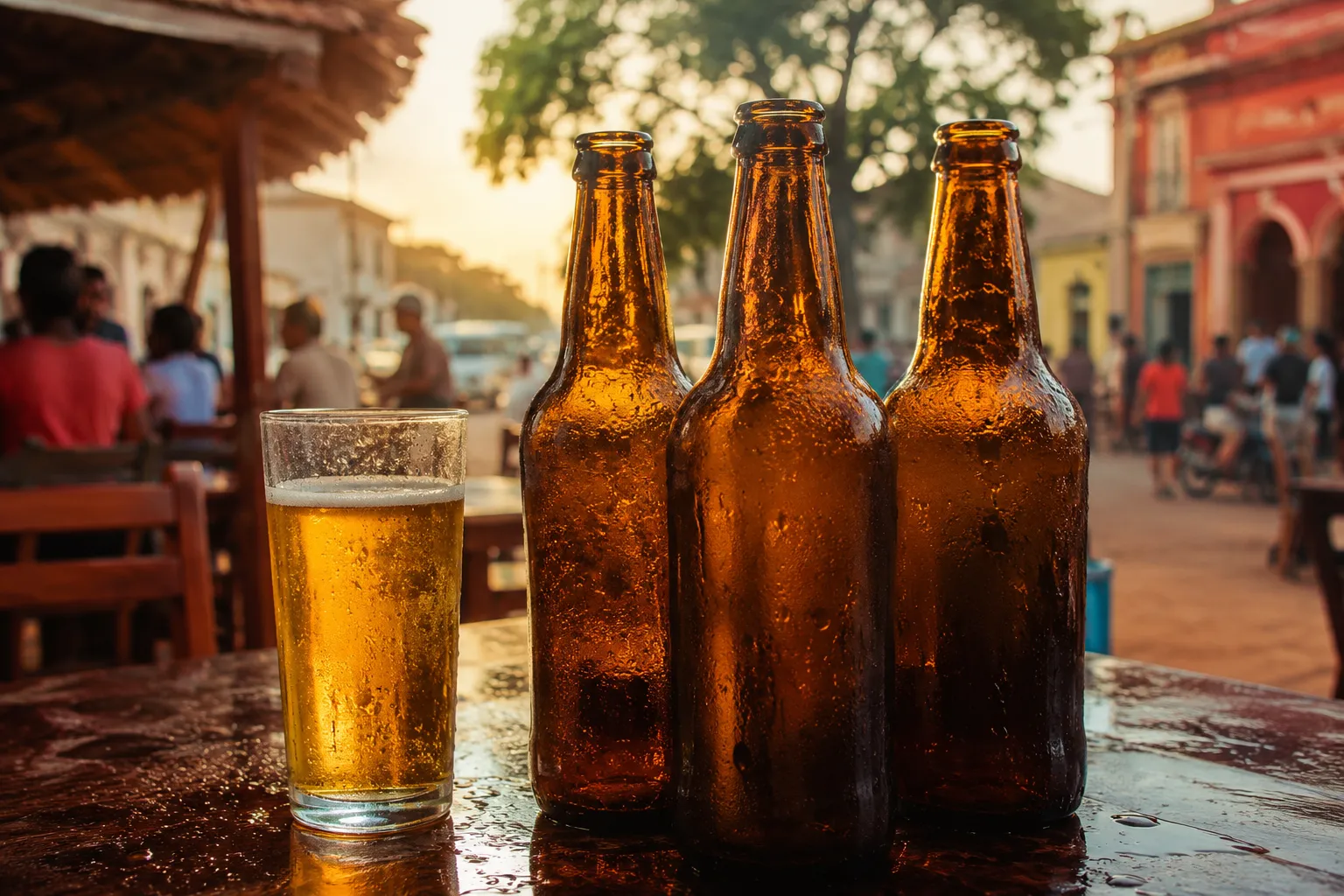
- A cuca shop is a small neighbourhood bar named after the beer brand, and it is a genuine social institution across the country.
- Maruvo is palm wine, tapped as sap and drunk at different stages of fermentation. The longer it sits, the stronger and sourer it becomes.
- Mongozo is a traditional home-brewed beer made from palm nuts, linked to the Lunda Norte and Lunda Sul provinces.
- Kissangua is the classic non-alcoholic traditional drink, made from maize flour, strongest in southern Angola, and used in ceremonies. Pineapple variants exist.
- Wine lists in Luanda lean heavily on imported South African and Portuguese wines. Whisky carries real social status.
- Never drink tap water. Buy sealed bottled water and be cautious with ice outside established hotels and restaurants.
- Imported drinks in Luanda cost noticeably more than local beer. Prices shift with the kwanza, so check on arrival rather than trusting old figures.
What are traditional Angolan drinks?
Traditional Angolan drinks fall into two families: fermented drinks made from palm (maruvo and mongozo) and non-alcoholic or lightly fermented drinks made from grain, mostly maize (kissangua). These are village and household products, made at home or in small batches, and they carry cultural weight far beyond refreshment.
Here is what each one actually is:
Maruvo (palm wine). Tappers cut into the palm and collect the sap, which begins fermenting almost immediately because of wild yeasts. Fresh from the tree it tastes sweet, milky and slightly fizzy, closer to a soft drink than an alcoholic one. Leave it a day and it turns sharper and stronger. After several days it is sour, yeasty and considerably more potent. There is no label telling you which stage you are getting.
Mongozo. A traditional home-brewed beer made from palm nuts, associated with the diamond provinces of Lunda Norte and Lunda Sul in the northeast. It is cloudy, tangy and unlike anything you will find in a supermarket. Genuine mongozo in Angola is a rural, home-produced drink.
Kissangua. Made from maize flour, fermented briefly and served cool. It is treated as non-alcoholic, and it is especially strongly associated with southern Angola, where it appears at ceremonies, funerals, harvest gatherings and family events. Variants exist, including pineapple-based versions that are sweeter and fruitier. If you are offered kissangua at a family gathering, accepting it is a small act of respect.
Traditional Angolan drinks are made to be shared. A single gourd or jug circulating among a group is normal, and refusing outright can read as a snub. Take a small amount, thank the host, and you have done the right thing.
What are the best Angolan beverages to try?
For most visitors, the best Angolan beverages to try are Cuca beer, fresh tropical fruit juice, strong Portuguese-style coffee, and kissangua if the opportunity comes up in a respectful setting. That combination covers everyday drinking culture, the local produce, and the traditional side.
A practical shortlist:
- Cuca on a hot afternoon, ideally very cold, ideally from a cuca shop with plastic chairs on the pavement.
- Nocal or Eka for comparison, so you can taste the difference between Angolan lagers rather than assuming they are identical.
- Fresh juice made from mango, papaya, passion fruit, guava, soursop or tangerine, blended to order.
- Coffee, served small and strong in the Portuguese style. Angola was historically a significant coffee producer, and coffee culture stuck.
- Kissangua, especially if you travel through the south.
- Maruvo, with real caution, and ideally only when a trusted local host is pouring.
- South African or Portuguese wine, if you are eating well in the capital.
Angolan drinks with alcohol vs non-alcoholic: how do they compare?
Alcoholic Angolan drinks split into industrial beer (Cuca, Nocal, Eka), imported wine and spirits, and traditional ferments (maruvo, mongozo). Non-alcoholic options are stronger than most travellers expect: fresh juices, kissangua, mineral water, soft drinks and coffee are all easy to find.
| Drink | Alcoholic? | What it tastes like | Where you find it | Traveller risk |
|---|---|---|---|---|
| Cuca, Nocal, Eka | Yes | Light, crisp lager | Everywhere, from cuca shops to hotels | Low |
| Maruvo (palm wine) | Yes, variable | Sweet and milky, then sour | Roadside, villages, informal markets | Higher: unknown strength and hygiene |
| Mongozo | Yes | Cloudy, tangy, grainy | Lunda Norte and Lunda Sul, home-brewed | Higher: home production |
| Kissangua | Treated as non-alcoholic | Tart, cereal, slightly fizzy | Southern Angola, ceremonies, markets | Moderate: depends on water used |
| Fresh fruit juice | No | Intensely fruity | Cafés, markets, restaurants | Low to moderate: ask about water and ice |
| Imported wine, whisky | Yes | As expected | Luanda restaurants, hotels, supermarkets | Low, but expensive |
Decision rule: choose bottled beer or a sealed soft drink when you are somewhere informal and cannot judge the water supply. Choose fresh juice and traditional drinks when you are in a proper restaurant, a good hotel, or a private home where a host you trust is serving.
Where to buy Angolan drinks, and how much do they cost?
Buy Angolan drinks at supermarkets, cuca shops, street kiosks, restaurants and hotel bars. Local beer is the cheapest reliable option; anything imported carries a premium because Angola imports a large share of consumer goods.
Where to look:
- Cuca shops. Small neighbourhood bars, often little more than a fridge, a counter and a few chairs. This is where local beer is cheapest and where the social side of drinking actually happens.
- Supermarkets and mini-markets. Best for bottled water in bulk, soft drinks, wine and spirits.
- Street kiosks and markets. Fresh juice, soft drinks, sometimes traditional drinks in reused bottles.
- Restaurants and hotels. Wine lists, cocktails, imported beer, proper coffee. See our guide to the best restaurants in Luanda for the higher end of the drinks scene.
On cost, avoid trusting any fixed figure you read online. The kwanza has moved a great deal in recent years, and imported drink prices move with it. What holds true as a rule of thumb:
- Local beer in a cuca shop is the cheapest alcoholic drink available.
- The same beer in a hotel bar or upmarket restaurant in the capital can cost several times more.
- Imported wine and whisky are expensive, sometimes startlingly so.
- Bottled water is cheap in supermarkets and marked up heavily in tourist-facing venues, so buy several litres at once.
- Fresh juice sits between soft drinks and beer, and is excellent value for what you get.
Luanda has appeared for years near the top of global cost-of-living rankings for expatriates, and drinks are part of that picture. Budget more for beverages in the capital than you would elsewhere in the region. Our guide to Luanda sets out what to expect from the city generally.
What is the difference between ginguba and other Angolan drinks?
Ginguba is the Angolan Portuguese word for peanut, not a drink. It appears constantly in Angolan cooking, most famously in muamba de ginguba (peanut sauce) and in roasted peanuts sold by street vendors, which happen to be the perfect thing to eat alongside a cold Cuca.
The confusion is worth clearing up, because searches for “ginguba” often land people in drinks articles:
- Ginguba = peanut. A food ingredient and a snack.
- Maruvo = palm wine. Alcoholic, fermented palm sap.
- Mongozo = palm-nut beer. Alcoholic, home-brewed.
- Kissangua = maize-flour drink. Treated as non-alcoholic.
- Cuca = commercial lager brand.
There is one genuine overlap: peanut-based drinks and thick peanut sauces sit close together in West and Central African food culture, so a menu item with ginguba in the name is almost always something you eat rather than something you sip. For the food side, see the Angolan food guide.
What Angolan drinks are best for tourists, and what are the common mistakes?
The safest and most rewarding drinks for tourists are bottled local beer, sealed bottled water, freshly blended juice from a clean-looking establishment, and coffee. The most common mistakes involve water, ice, and misjudging home-fermented palm wine.
Mistakes to avoid:
- Drinking tap water. Do not, anywhere, including for brushing teeth if you want to be careful. Buy sealed bottled water and check the cap seal is intact.
- Ignoring ice. Ice in a good hotel or established restaurant is usually made with treated water. Ice from a roadside stall may not be. If you cannot tell, order drinks without ice.
- Treating maruvo like beer. Palm wine has no fixed strength. A batch that has fermented for days can be far stronger than it tastes, and the sweetness hides it. Hygiene depends entirely on the tapper and the container.
- Assuming Cuca is a palm-nut beer. It is a conventional lager. This error circulates online and it is simply wrong.
- Buying spirits from informal sellers. Stick to supermarkets and licensed venues for whisky and other spirits.
- Refusing a drink bluntly. In a home or at a gathering, an outright refusal can offend. Accept a small pour, or explain politely that you are not drinking alcohol. Our Angola culture and etiquette guide covers hospitality norms in more depth.
- Drinking and driving. Roads and traffic in Angola demand full attention. Use a driver.
Edge case: travellers on malaria prophylaxis or other medication should be conservative with alcohol generally, and especially with drinks of unknown strength.
Are Angolan traditional drinks healthy?
Traditional Angolan drinks are best described as nutritionally interesting but hygienically variable. Kissangua is a fermented maize drink, so it contains carbohydrates and the by-products of fermentation, and fermented cereal drinks are broadly regarded as digestible. The health question in practice is not the ingredient list. It is the water and the container.
What matters for a visitor:
- Water source. A maize or palm drink prepared with untreated water carries the same risk as drinking that water directly.
- Storage. Reused bottles and open gourds in warm conditions are not ideal.
- Alcohol content. Maruvo’s strength is genuinely unknown from one cup to the next.
- Sugar. Fresh juices are healthy in the sense of being fresh, but vendors often add sugar. Ask for it without if you prefer.
None of this is a reason to avoid traditional drinks entirely. It is a reason to be selective about who is serving them. Comprehensive travel health cover and a sensible attitude to food and water hygiene will do more for your trip than avoidance.
What Angolan drinks pair with local food?
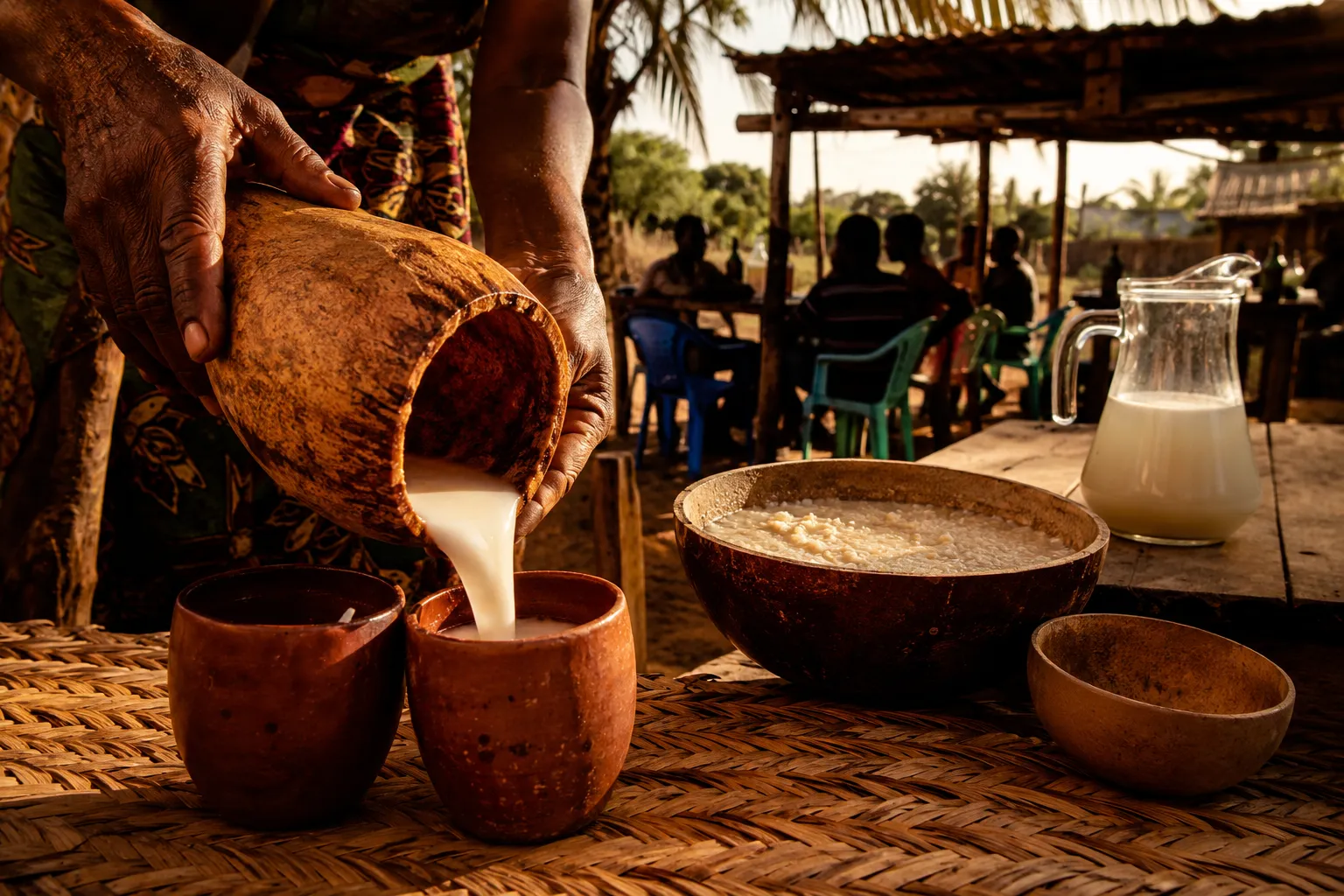
Cold local lager pairs with almost everything Angolan, particularly grilled fish, seafood and anything with chilli. Kissangua traditionally accompanies staple meals in the south. Crisp South African white wine is the smart choice with the country’s excellent coastal seafood.
Practical pairings:
- Grilled fish, prawns, lobster: cold Cuca, or a dry South African white such as chenin blanc or sauvignon blanc.
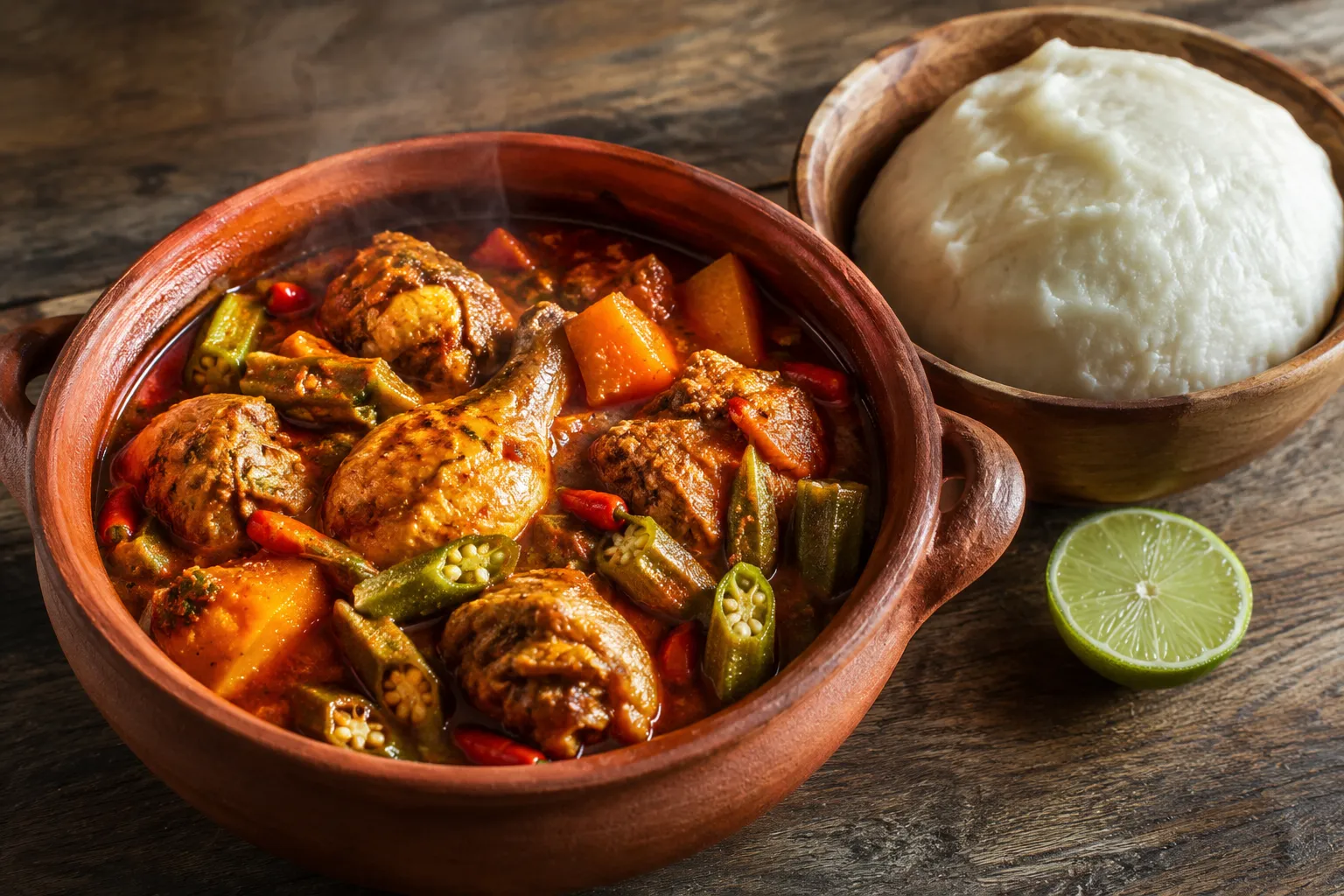
- Muamba de galinha (chicken in palm oil): lager cuts through the richness. A soft red also works.
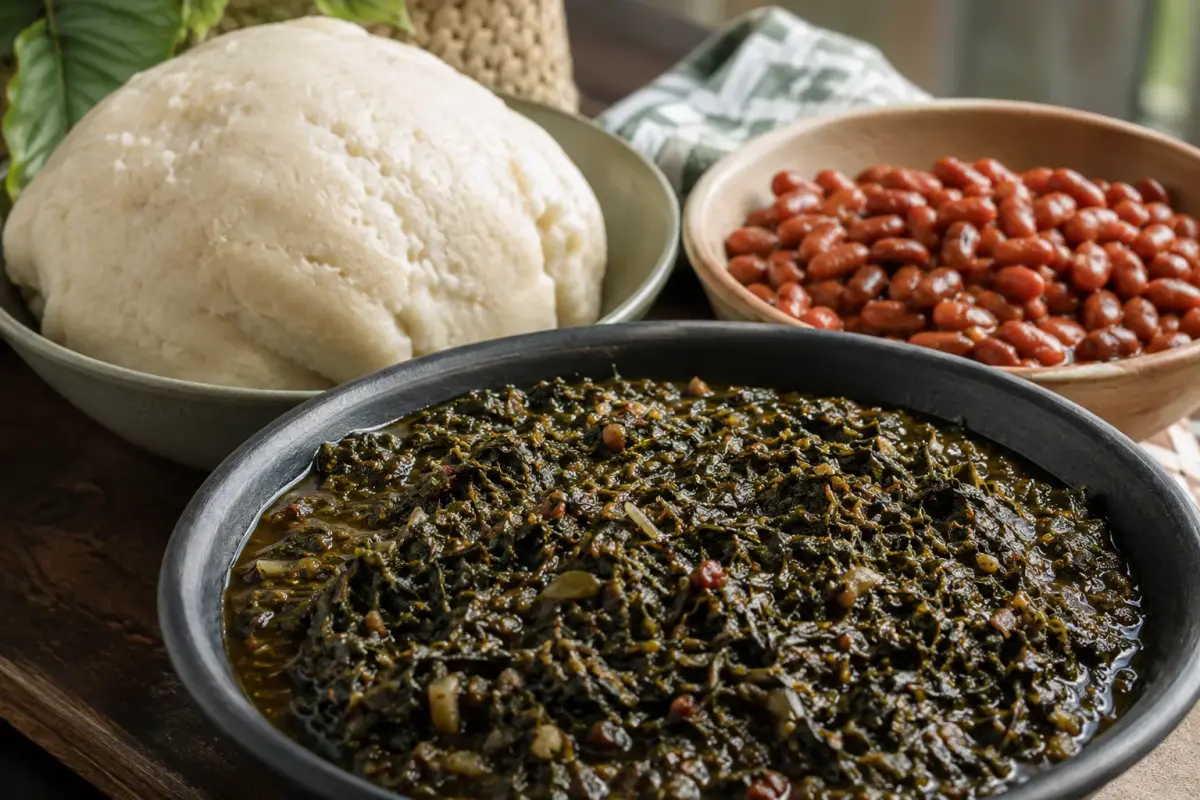
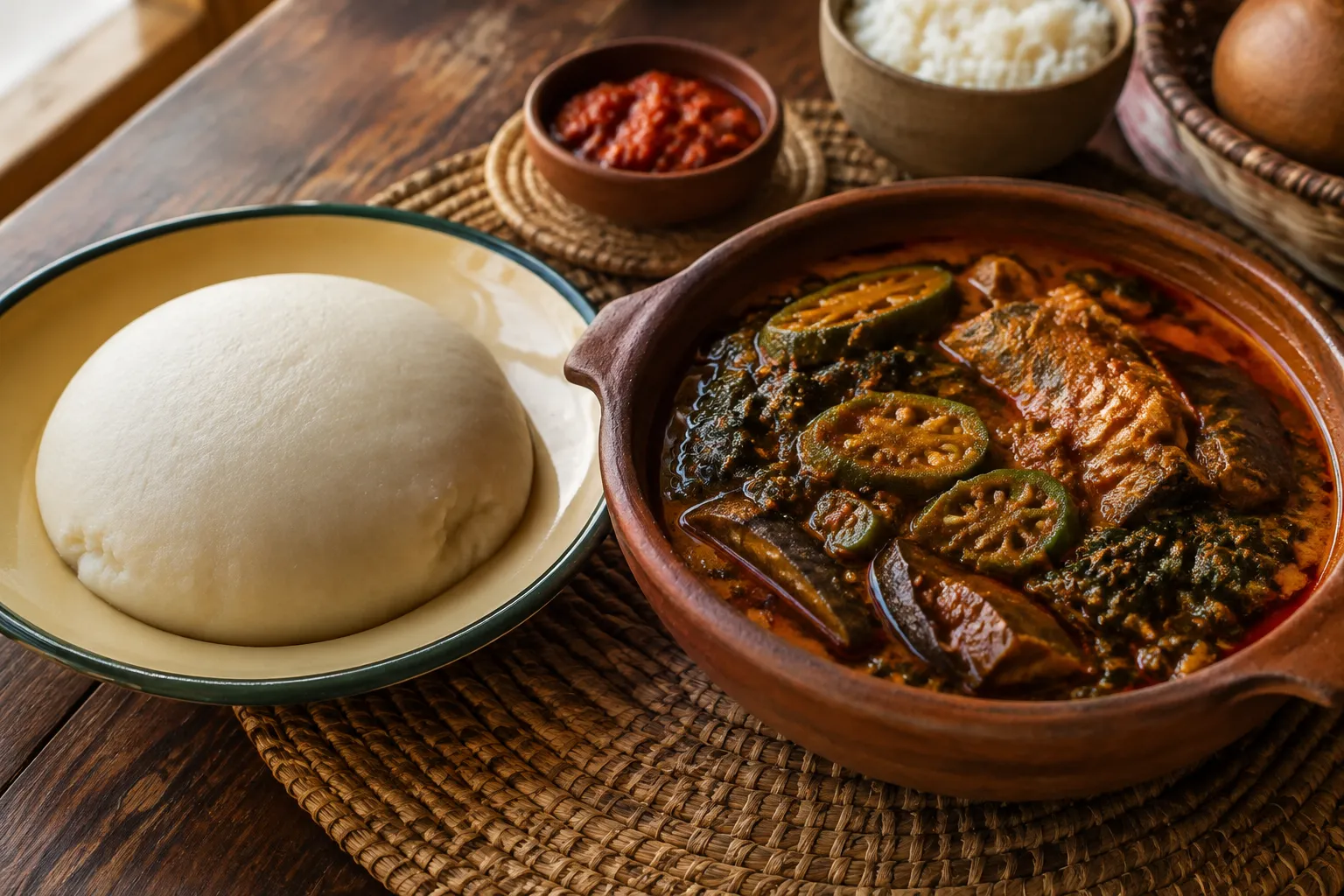
- Funge and calulu: kissangua is the traditional partner. Beer works fine too. See our piece on funge and calulu for what these dishes actually involve.
- Roasted ginguba (peanuts) and grilled meat: lager, unquestionably.
- Spicy stews with gindungo chilli: something cold and simple. Avoid heavy tannic reds.
- Dessert or strong coffee: Portuguese-style espresso, sometimes followed by whisky in social settings.
Can you get Angolan drinks outside of Angola?
Partially. Portuguese-speaking African grocery shops in Lisbon, Brussels, Amsterdam and other European cities often stock Angolan-adjacent products, and Cuca has some export presence. Genuinely home-produced drinks like maruvo and mongozo do not travel, because they are fresh, fermenting, unpasteurised products.
- Cuca: occasionally found in African and Portuguese specialist shops abroad.
- Mongozo: a Belgian-brewed commercial beer range uses the Mongozo name and was founded with reference to the traditional recipe. It is a related product, not the same thing as village-brewed Angolan mongozo.
- Maruvo: effectively impossible to export. Fresh palm sap ferments continuously.
- Kissangua: made fresh at home; the maize flour is exportable, the drink is not.
- Angolan coffee: the most realistic thing to take home, alongside gindungo chilli sauce.
If you want the real experience of traditional Angolan drinks, it has to happen in Angola.
Best time to drink Angolan beverages: seasons and occasions
Drink timing in Angola follows heat and social rhythm. Cold beer and juice belong to hot afternoons and the humid rainy season (roughly November to April). The cooler dry season (roughly May to October) suits coffee in the highlands around Lubango, where mornings are genuinely chilly.
Occasion by occasion:
- Hot coastal afternoon: ice-cold lager or a fresh mango juice.
- Sunday family gathering: kissangua, beer, and a lot of food.
- Ceremonies, funerals, harvest events: kissangua has a specific ritual role, particularly in southern Angola. Follow the host’s lead.
- Business or status occasions: whisky. It carries notable social prestige in Angola, and a bottle of good whisky is a respected gift.
- Evening out in the capital: wine, cocktails and imported beer. For that side of things, our Angola nightlife guide is the place to go.
- Highland mornings and the cool dry season: coffee, small and strong.
How to make traditional Angolan drinks at home
Kissangua is the one traditional Angolan drink a home cook can reasonably attempt, because the ingredients are maize flour, water and time. Maruvo cannot be recreated at all without a palm tree to tap, and mongozo depends on palm nuts and local technique.
A simplified outline of how kissangua is traditionally made:
- Maize flour is cooked into a thin porridge with water and allowed to cool.
- A fermenting agent, traditionally sprouted or malted maize, is stirred in.
- The mixture rests for a short period, often overnight to a day, until it turns tart and slightly fizzy.
- It is strained and served cool, sometimes sweetened. Pineapple versions add fruit and peel to the ferment.
Two honest caveats. First, methods vary widely between households and provinces, so there is no single authoritative recipe. Second, home fermentation needs clean water, clean containers and controlled timing. If you attempt it, use safe drinking water and keep the vessels scrupulously clean.
Conclusion
The drinks scene in Angola rewards curiosity more than expertise. There is no complex etiquette to master and no long list of obscure bottles to hunt down. Order a cold Cuca in a cuca shop, drink the fruit juice everywhere you see it being blended fresh, take the coffee seriously, and say yes to kissangua if a host offers it.
Three things to do before you travel:
- Plan your water. Buy bottled water in bulk on arrival, and decide your personal rule on ice before you are handed a drink.
- Set a realistic drinks budget for Luanda. Local beer is cheap, imported anything is not, and exchange rates change. Check current prices when you land rather than relying on old figures.
- Learn two words of Portuguese. Uma Cuca, por favor and sem gelo (without ice) will cover most situations. Very little English is spoken outside tourism.
Then pair what you drink with what you eat. Start with the Angolan food guide, and you will have the full picture of the country’s table.
Want to keep this guide? We email you the key points with a link to every section.
Frequently asked questions
Is Cuca beer made from palm nuts?
No. Cuca is a conventional lager and Angola's best known beer brand. Several websites repeat the palm-nut claim, and it is incorrect. The palm-based traditional drinks are mongozo (palm-nut beer) and maruvo (palm wine).
What is a cuca shop?
A cuca shop is a small neighbourhood bar in Angola, named after the Cuca beer brand. They are widespread, informal, cheap, and a genuine part of everyday social life rather than a tourist attraction.
Can you drink tap water in Angola?
No. Drink sealed bottled water only, and be cautious with ice outside good hotels and restaurants. Buy water in bulk from supermarkets, where it costs much less than in tourist venues.
Is maruvo safe for tourists to drink?
Maruvo is home-produced palm wine with no regulated alcohol content and variable hygiene. Its strength depends on how long it has fermented, which you cannot judge by taste because it stays sweet in the early stages. If you try it, take a small amount from a trusted host.
What is the national drink of Angola?
Angola has no single official national drink. In practice, Cuca beer is the most recognisable commercial drink and kissangua is the most culturally significant traditional non-alcoholic one.
Is alcohol easy to buy in Angola?
Yes. Beer, wine and spirits are sold in supermarkets, kiosks, cuca shops, restaurants and hotel bars throughout the country. Local beer is inexpensive; imported wine and whisky are considerably more expensive.
What non-alcoholic drinks should tourists order in Angola?
Fresh tropical fruit juice (mango, papaya, passion fruit, guava, soursop), Portuguese-style coffee, sealed bottled water, and kissangua where it is offered in a hygienic setting.