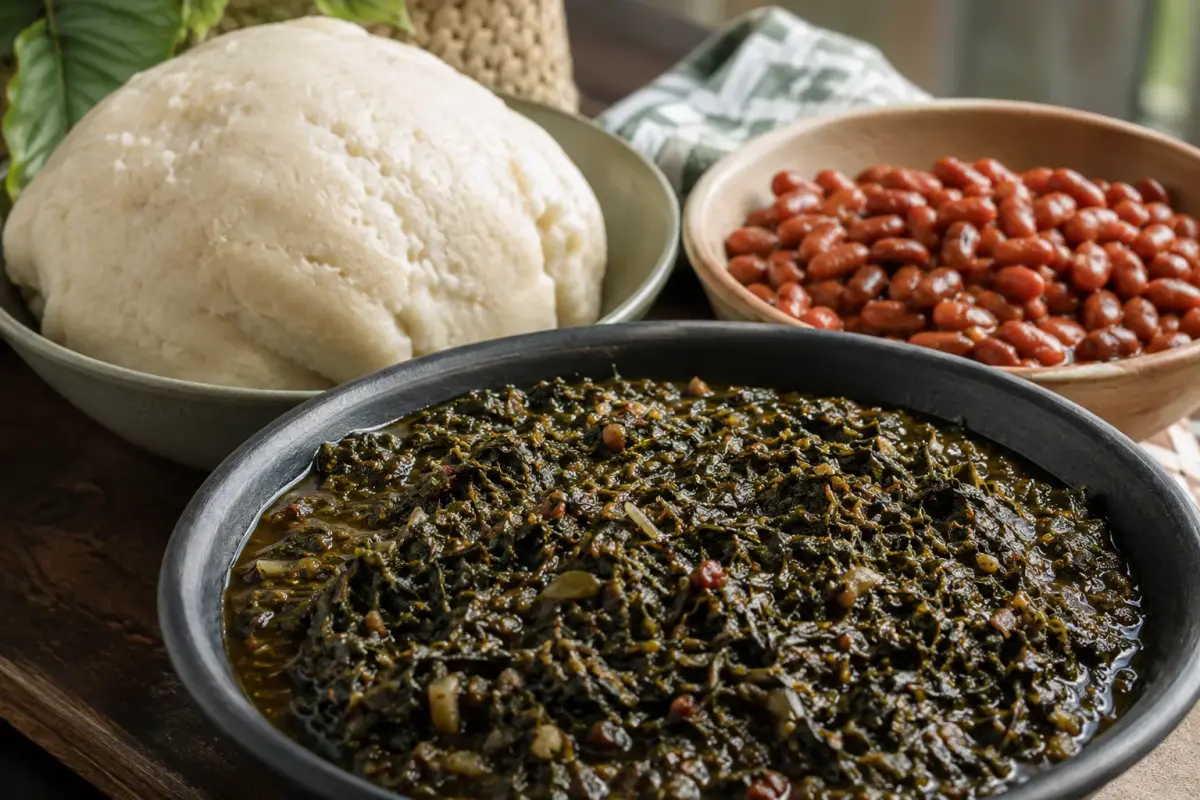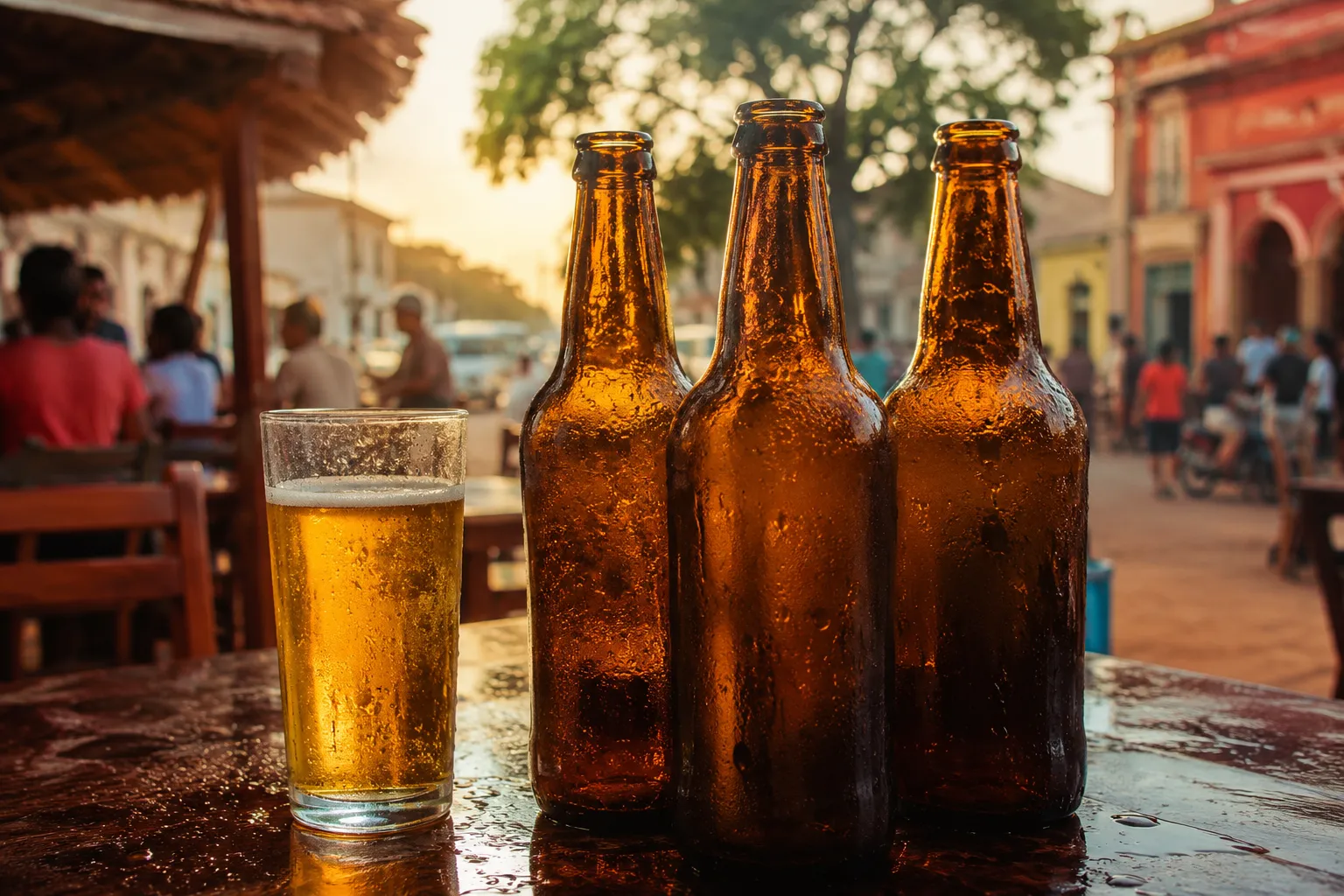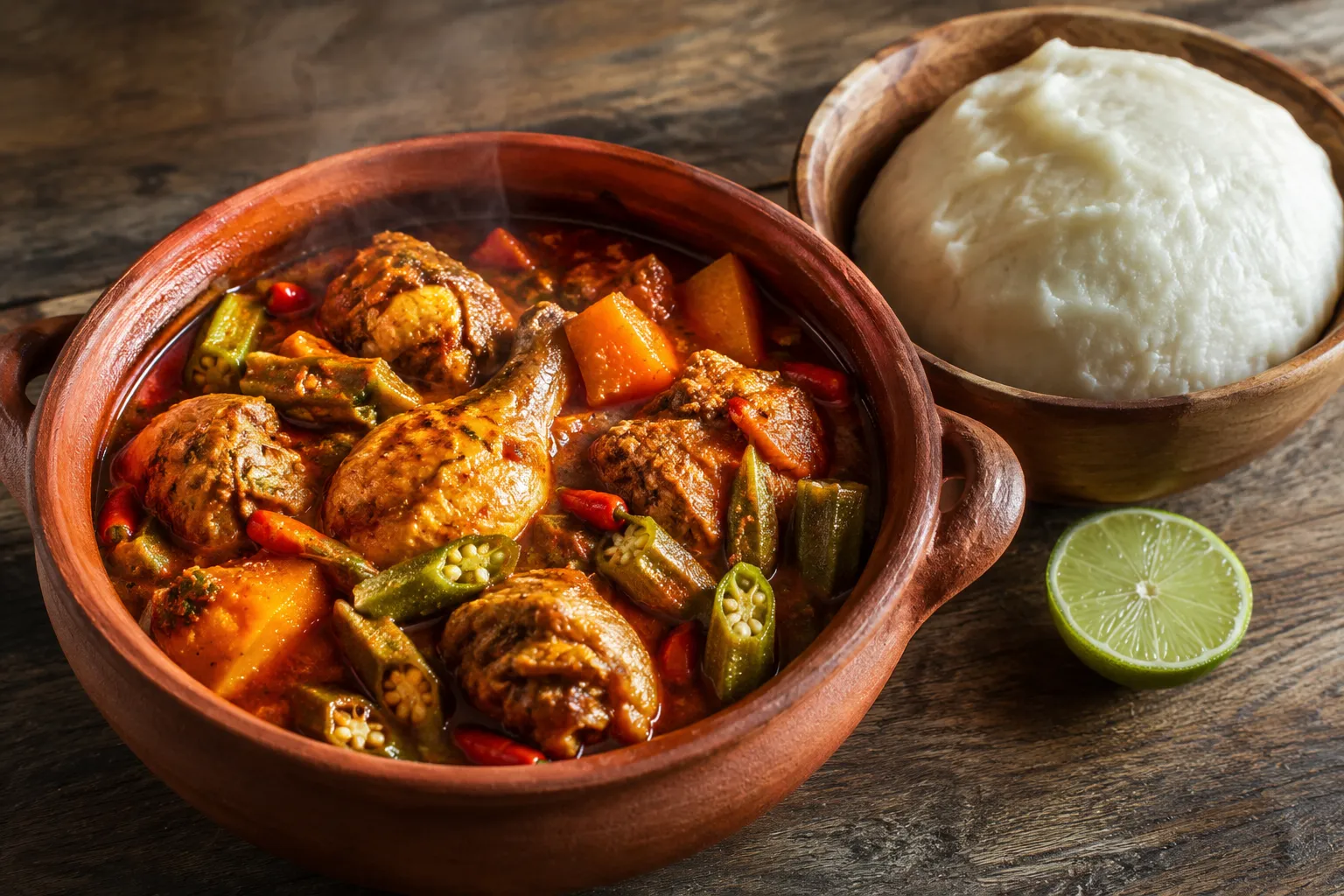
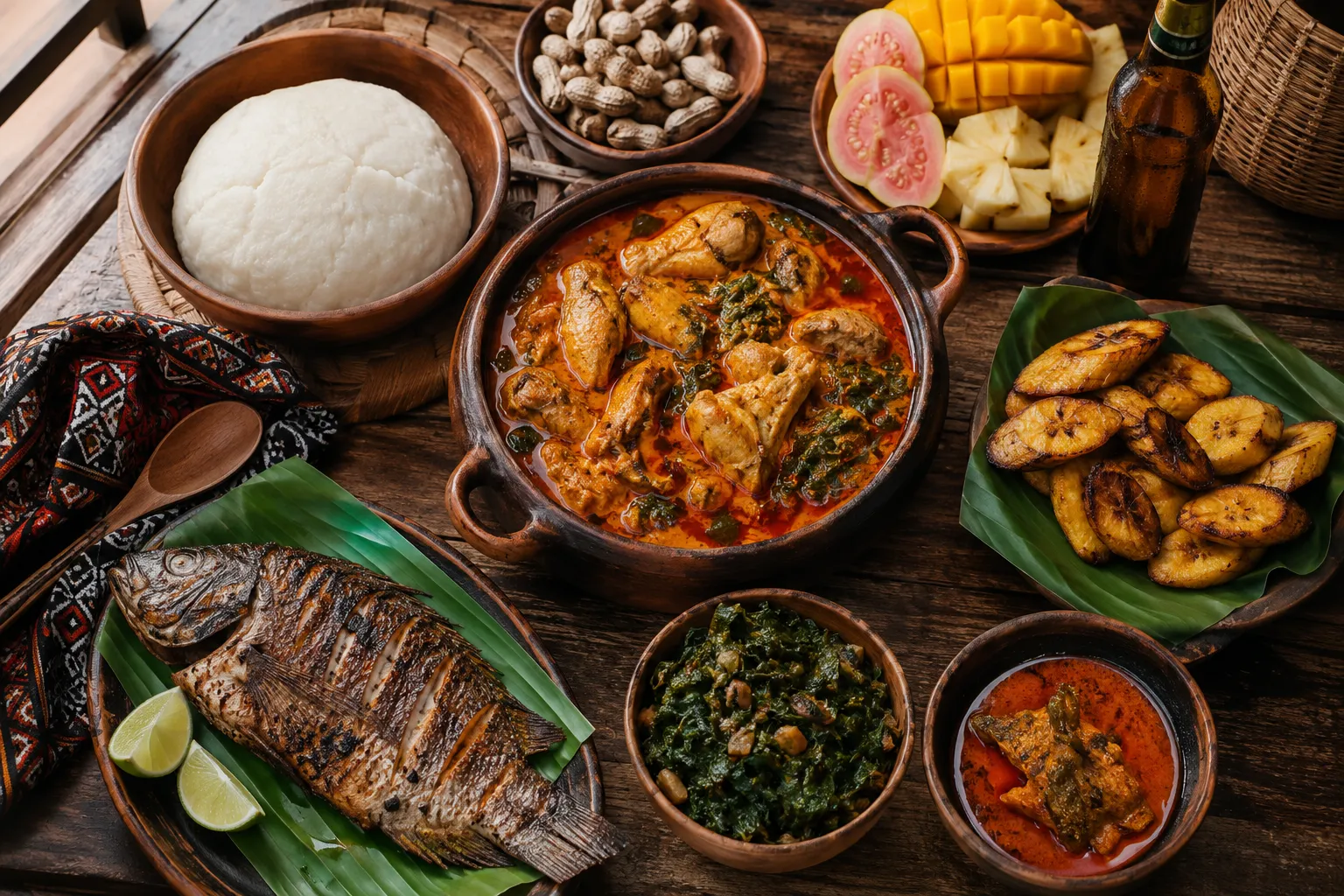
Quick Answer: Angolan food is a bold, palm-oil-rich cuisine built on cassava, seafood, peanuts and slow-cooked stews, shaped by Bantu roots and Portuguese colonial influence. The must-try dishes are muamba de galinha (the national dish), funge, calulu, mufete and moamba de ginguba, washed down with a cold Cuca beer or a shot of ginginha. Most dishes are savoury, not fiery hot, and easy for beginners to enjoy.
Key Takeaways
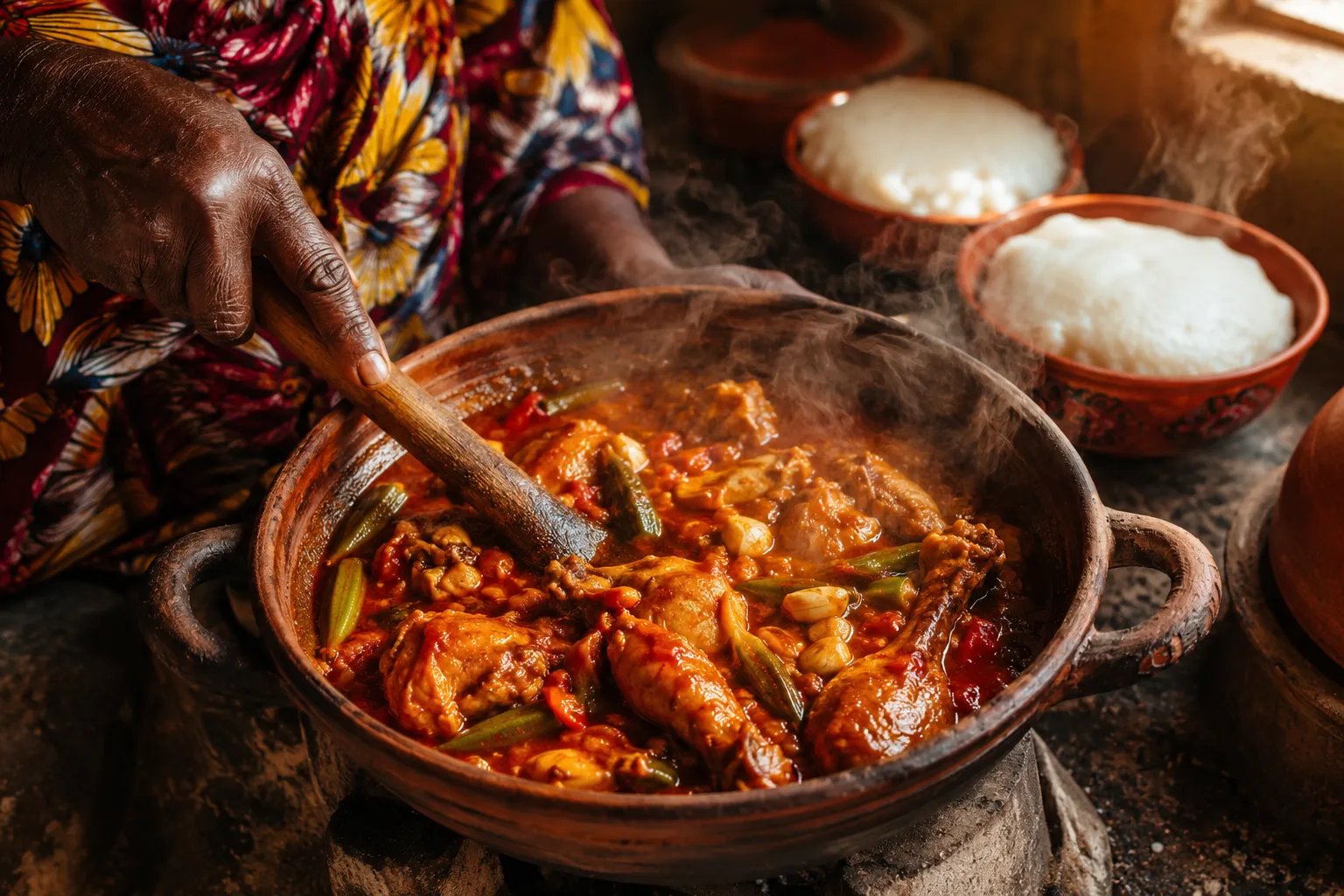
- Muamba de galinha is the unofficial national dish: chicken slow-cooked in red palm oil with okra and garlic.
- Funge (cassava) and pirão (maize) are the daily starches, eaten with almost every stew.
- Coastal cities like Luanda, Benguela and Lobito are heaven for grilled fresh fish and seafood.
- Angolan food is generally mild, not spicy, though a chilli sauce called jindungo is served on the side.
- Common ingredients: red palm oil (dendê), peanuts, dried fish, cassava leaves, beans and okra.
- Vegetarians can enjoy feijão de óleo de palma, kizaca and funge without meat.
- National drinks: Cuca and Nocal beer, kissangua (fermented maize drink) and ginginha cherry liqueur.
- Expect to pay roughly AOA 2,500 to 8,000 for a main dish in a mid-range restaurant in Luanda (verify current prices).
What is Angolan food known for?
Angolan food is known for its heavy use of red palm oil (óleo de palma), cassava-based staples, slow-simmered stews, and abundant fresh seafood along the 1,600 km Atlantic coast. It blends Bantu cooking traditions (Kimbundu, Umbundu, Kikongo) with Portuguese techniques brought during more than four centuries of colonial contact.
The result is a cuisine that feels both African and Lusophone: think Portuguese-style grilled fish next to a deeply African stew of dried fish and bitter greens. Meals are communal, generous, and almost always served with funge or rice.
If you want the wider context of daily life, traditions and language behind the food, our guide to the culture of Angola is a good companion read.
Most popular Angolan dishes: the 15 you must try
Below are the 15 dishes and drinks that define Angolan cuisine. Portuguese names first, English explanation after.
1. Muamba de galinha (chicken in palm oil)
The national dish. Chicken is slow-braised in red palm oil with garlic, onion, okra, tomato and sometimes pumpkin or jindungo chilli. The sauce turns a rich brick-orange colour and tastes earthy, nutty and slightly smoky. Eat it with funge. If you try only one Angolan meal, make it this one.
2. Funge (cassava or maize porridge)
Funge is a smooth, elastic porridge made from cassava flour (funge de bombó) or maize flour (pirão in the south). It has a neutral taste, a bit like polenta, and its job is to soak up sauces. You pinch off a piece with your fingers and use it to scoop stew. It is the backbone of everyday Angolan food.
3. Calulu (dried fish or meat with greens)
A dense, dark stew of dried and fresh fish (or meat), sweet potato leaves, okra, tomato, onion and palm oil. Deeply savoury, slightly bitter from the greens, with a real umami punch from the dried fish. A must for adventurous eaters.
4. Moamba de ginguba (peanut stew)
Not to be confused with muamba. This is a chicken or fish stew thickened with ground peanuts (ginguba), palm oil and tomato. Creamy, nutty and comforting, a good gateway dish if you love West African peanut soups.
5. Mufete (grilled fish with sides)
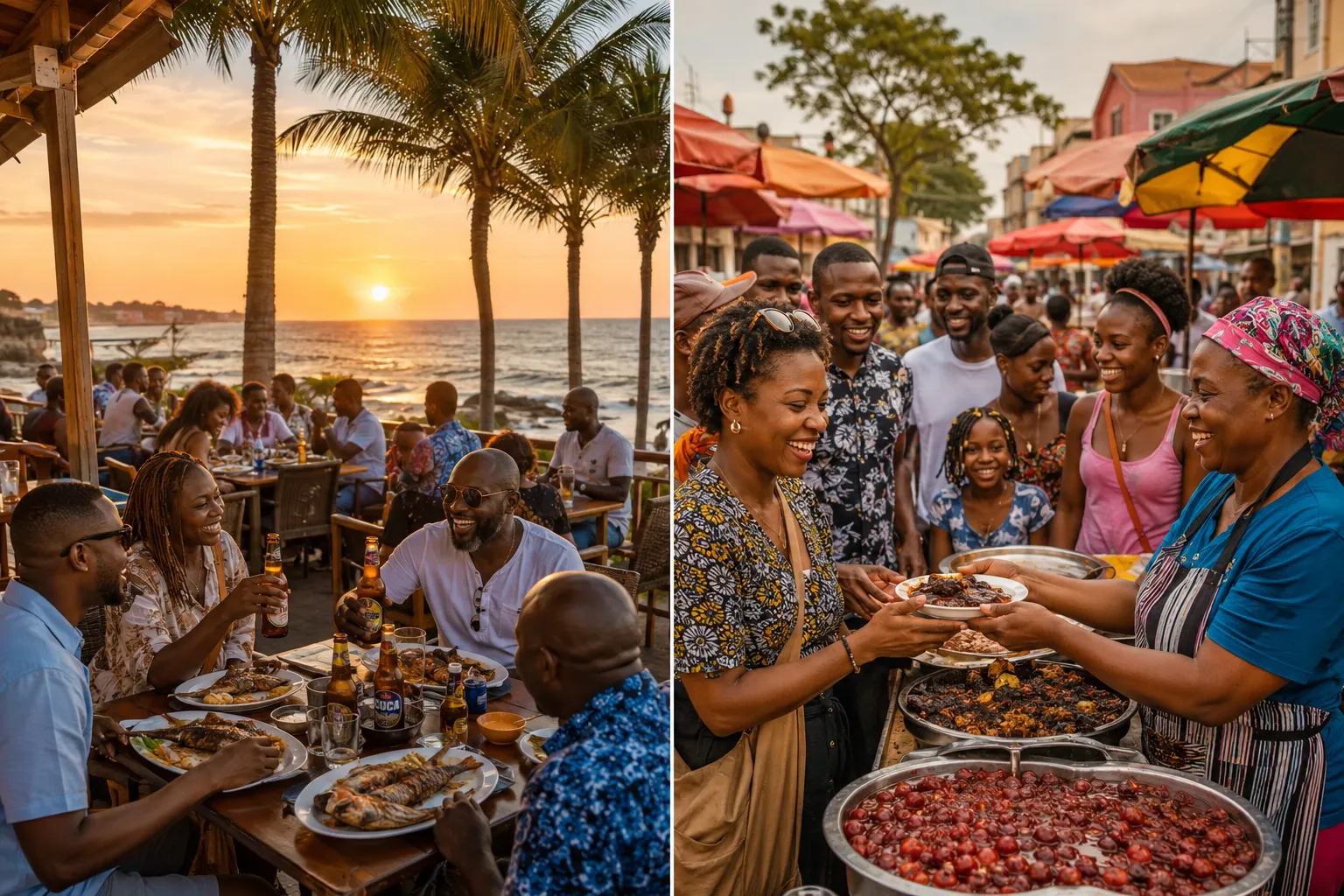
A weekend classic on Luanda’s Ilha do Cabo. Whole grilled fish (usually corvina or cachucho) served with beans in palm oil, boiled sweet potato, cassava, plantain and fresh tomato-onion salad. Everything is laid out on one big plate for sharing. Order it with a cold Cuca beer.
6. Feijão de óleo de palma (palm oil beans)
Red or brown beans slowly stewed with red palm oil, onion, garlic and smoked fish or meat. Rich, silky and satisfying. Often served as a side to mufete, but a meal on its own with rice or funge, and easy to order without meat.
7. Kizaca (cassava leaves)
Pounded cassava leaves cooked with palm oil, garlic and often peanuts or dried fish. Similar in spirit to Congolese pondu or Cameroonian ndolé. Earthy, green, and one of the most authentic vegetable dishes in the country.
8. Grilled fresh fish and seafood
Along the coast, especially in Benguela and Lobito, the grilled seafood is world-class. Expect whole grouper, snapper, corvina, giant prawns and lobster, seasoned simply with salt, garlic and lemon, cooked over charcoal. Cheap by European standards near the fishing ports.
9. Cabidela (chicken in blood sauce)
A Portuguese-influenced dish where chicken (or duck) is cooked in its own blood with vinegar and rice. The sauce is dark, tangy and iron-rich. Divisive but iconic, order it if you like offal or jugged hare.
10. Quitaba / jindungo (chilli condiment)
Not a dish but essential. Quitaba is a paste of roasted peanuts, palm oil, garlic and hot jindungo chilli. Add a small spoon to any stew for heat and depth. This is where the spice in Angolan food actually lives.
11. Caldeirada de cabrito (goat stew)
Slow-cooked goat with potatoes, tomatoes, wine, bay leaf and paprika. A clear Portuguese heritage dish, popular for Sunday lunch and festive occasions. Tender, warming and best with crusty bread.
12. Cocada amarela (yellow coconut dessert)
A golden coconut pudding made with grated coconut, egg yolks, sugar and cinnamon. Very sweet, custard-like, and a direct legacy of Portuguese conventual sweets adapted to tropical ingredients.
13. Doce de ginguba (peanut brittle)
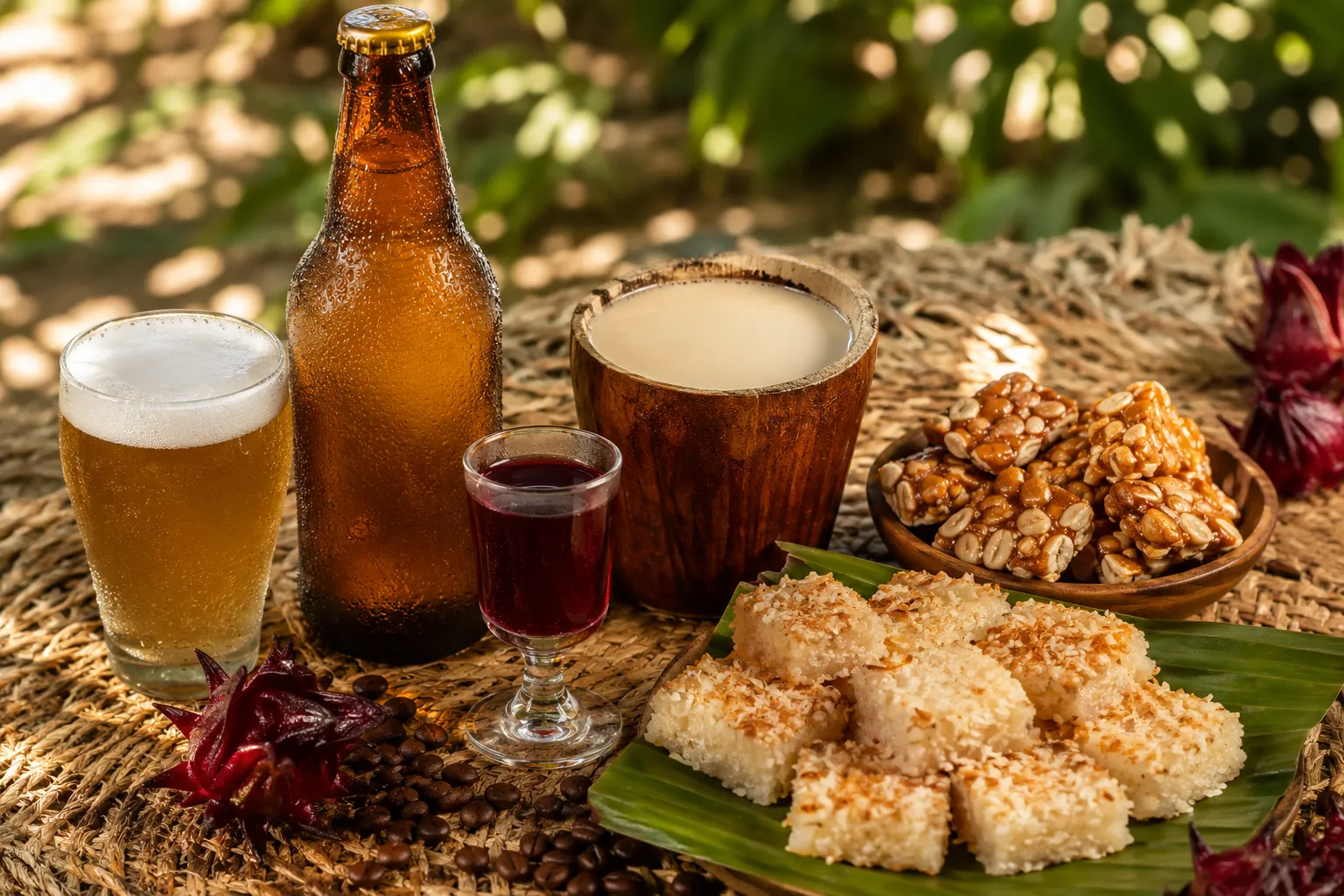
Simple, addictive peanut brittle sold on street corners and at markets. Roasted peanuts caramelised in sugar, sometimes with a hint of lemon. Perfect road-trip snack.
14. Cuca and Nocal (Angolan beer)
Cuca (the older brand, since 1963) and Nocal are the two dominant Angolan lagers. Light, crisp, easy to drink in the heat. You will see the red Cuca logo everywhere from beach shacks to fine restaurants.
15. Kissangua and ginginha (traditional drinks)
Kissangua is a lightly fermented, non-alcoholic drink made from maize flour, often flavoured with pineapple peel, refreshing and slightly sour. Ginginha is a sweet cherry liqueur inherited from Portugal, served in a shot glass, ideal after dinner.
How to make Angolan food at home
Start with muamba de galinha, it needs only chicken, red palm oil, garlic, onion, tomato, okra and a chilli. Brown the chicken, add aromatics, pour in the palm oil, add sliced okra, and simmer for 40 to 60 minutes. Serve with funge made from cassava flour whisked into boiling salted water until it forms a thick, glossy paste.
Beginner-friendly order:
- Funge (5 ingredients, 15 minutes)
- Feijão de óleo de palma (beans, palm oil, onion, smoked fish optional)
- Muamba de galinha
- Calulu (once you can source dried fish and cassava leaves)
Watch YouTube channels in Portuguese for authentic technique, search “receita muamba de galinha” or “funge de bombó”.
Angolan food vs Portuguese food: the differences
They share DNA but diverge sharply. Portuguese cuisine leans on olive oil, wine, bacalhau (salt cod) and wheat bread. Angolan cuisine centres on red palm oil, cassava, fresh Atlantic fish and peanuts, with far more African vegetables and stews.
| Element | Portuguese | Angolan |
|---|---|---|
| Main fat | Olive oil | Red palm oil (dendê) |
| Main starch | Bread, potato, rice | Funge (cassava/maize), rice |
| Signature dish | Bacalhau à Brás | Muamba de galinha |
| Greens | Kale (caldo verde) | Cassava leaves (kizaca) |
| Heat level | Very mild | Mild, chilli served on the side |
| Sweets | Egg-yolk pastries | Egg-yolk pastries adapted with coconut/peanut |
Cabidela, caldeirada and the egg-yolk desserts are the clearest Portuguese footprints. Everything with palm oil, cassava and peanuts is African at its core.
Where to find authentic Angolan restaurants in Luanda and beyond
The best Angolan food is eaten in Luanda, along the coast, and at family-run quintais (backyard eateries). In the capital, look for restaurants around Ilha do Cabo, Miramar and the Marginal for grilled fish, and neighbourhood spots in Alvalade or Maianga for traditional stews.
Names change fast, so ask locals or your hotel for current favourites. Weekend lunch is the prime time, Angolans eat their biggest meal midday, especially on Sundays.
For more on the capital’s food, beach and nightlife scene, see our guide to Luanda and our overview of Angola attractions.
Outside Luanda:
- Benguela and Lobito: beachfront grills, exceptional seafood.
- Lubango (Huíla): heartier meat dishes, goat, and highland vegetables.
- Namibe: dried fish specialities and desert-coast cuisine.
Angolan food ingredients: where to buy them abroad
Outside Angola, look in African, Surinamese and Portuguese grocery stores in larger cities. Key items:
- Red palm oil (óleo de palma / dendê): African or Brazilian shops.
- Cassava flour (farinha de mandioca / fuba de bombó): Portuguese or Brazilian delis.
- Dried fish (peixe seco): African markets.
- Cassava leaves (frozen): Congolese/Cameroonian shops sell frozen pondu.
- Ginguba (raw peanuts) and jindungo (chilli): Asian and African grocers.
Online, Portuguese and African specialty webshops ship across Europe.
Is Angolan food spicy?
No, Angolan food is not inherently spicy. Most stews are gently seasoned with garlic, onion, tomato and palm oil. Heat is added at the table via jindungo (a fiery chilli sauce or paste) or quitaba. You control the burn. This makes it very approachable for beginners and children.
Angolan food for beginners: what to try first
If it is your first Angolan meal, order in this order:
- Funge with muamba de galinha, the safest, most iconic combo.
- Grilled fish (peixe grelhado) with rice and salad.
- Feijão de óleo de palma as a side.
- Cocada amarela or doce de ginguba for dessert.
- A Cuca beer or a glass of maracujá (passion fruit) juice.
Skip cabidela and heavy calulu on day one, save them for later in the trip.
Best Angolan dishes for meat lovers
Meat eaters should hunt down:
- Caldeirada de cabrito (goat stew)
- Muamba de galinha (chicken)
- Cabidela (chicken in blood)
- Churrasco, Angolan-style grilled beef, chicken and linguiça sausage
- Feijoada à Angolana, bean and meat stew, close cousin of the Brazilian version
Portions are generous. Sunday churrascos in Luanda are a social institution.
Angolan vegetarian dishes: real options
Vegetarian travellers can eat well, though pure vegan is harder. Naturally meat-free or easily adapted dishes:
- Funge with tomato-onion sauce
- Feijão de óleo de palma (ask without smoked fish or meat)
- Kizaca made with peanuts instead of dried fish
- Grilled vegetables and salada mista
- Arroz de coco (coconut rice)
- Fried plantains (banana pão frita)
Always ask: “É sem carne e sem peixe?” (Is it without meat and fish?). Palm oil and peanuts are the flavour base, so hidden fish stock is common.
Angolan food cultural significance
Food in Angola is about family, hospitality and community. Refusing seconds is nearly impossible. Sunday lunch, weddings, funerals and óbitos (memorials) all revolve around large shared pots of muamba, calulu or feijoada. Cooking techniques are passed down orally, especially the exact whisking method for perfect lump-free funge.
Palm oil, peanuts and cassava also carry deep symbolic weight, connecting modern Angolans to pre-colonial Bantu food heritage across Kimbundu, Umbundu and Kikongo communities.
How much does Angolan food cost?
Prices vary widely between street food and Luanda’s upscale restaurants (Luanda regularly ranks among the world’s more expensive cities for expats). Rough guide for 2026, verify locally:
- Street snack (doce de ginguba, grilled corn): AOA 200-500
- Local eatery main dish: AOA 2,500-5,000
- Mid-range restaurant main: AOA 5,000-10,000
- Upscale seafood dinner in Luanda: AOA 15,000+ per person
- Cuca beer: AOA 300-800 depending on venue
Cash is often needed outside major hotels. See our money in Angola guide for payment tips.
Angolan food allergies: common ingredients to watch
Key allergens and irritants to flag:
- Peanuts (ginguba): in moamba de ginguba, quitaba, many sauces and sweets.
- Fish and shellfish: everywhere on the coast; dried fish hides in stews.
- Palm oil: not a common allergen but heavy for sensitive stomachs.
- Gluten: naturally low, funge, rice and cassava are gluten-free, but check bread and sauces.
- Eggs and dairy: in desserts like cocada amarela and pudim.
If you have a severe peanut allergy, be extremely cautious. Carry an allergy card in Portuguese and check our Angola language guide for useful phrases.
Angolan food restaurants abroad
Outside Angola, the biggest Angolan diaspora communities are in Portugal (Lisbon, Porto), France, the UK and Brazil. In Lisbon, neighbourhoods like Arroios and Almirante Reis have several Angolan restaurants serving proper muamba and funge.
Dedicated Angolan restaurants are rare in many countries, but Portuguese, Cape Verdean and Congolese restaurants often serve overlapping dishes and are the closest you will get outside Angola itself.
For authoritative background on Angolan cuisine and culture, the UNESCO intangible cultural heritage database and Angola’s Instituto Nacional de Estatística are solid starting points.
Conclusion: your next steps
Angolan food rewards curiosity. Start simple with funge and muamba, work your way up to calulu and cabidela, and always end with a cold Cuca on the beach at sunset. Coastal grills, palm-oil stews and peanut sauces will define the taste memory of your trip.
Actionable next steps:
- Read our full guide to Luanda to plan the trip.
- Learn a handful of food-related Portuguese phrases before you fly.
- Book at least one Sunday mufete on Ilha do Cabo, it is the single most Angolan food experience you can have.
- Bring back a bottle of red palm oil and a bag of cassava flour to recreate muamba at home.
Boa viagem e bom apetite.
Want to keep this guide? We email you the key points with a link to every section.
Frequently asked questions
Is Angolan food healthy?
Generally yes, lots of fish, beans, greens and cassava. The main caution is heavy use of red palm oil, which is calorie-dense and saturated.
Can I drink tap water in Angola?
No. Stick to sealed bottled water, even for brushing teeth. Ice in upscale hotels is usually fine, but check.
What is Angola's national dish?
**Muamba de galinha**, chicken slow-cooked in red palm oil with okra, garlic and chilli. It is served across the country and at every celebration.
Is Angolan food similar to Brazilian food?
Yes, historically. Dishes like *feijoada*, *cocada* and *moqueca-style* fish stews travelled between Angola and Brazil via the Portuguese-speaking Atlantic world. Palm oil and cassava are shared cornerstones.
Do I need to speak Portuguese to order food?
It helps a lot. English is limited outside top hotels. Learn basics like *frango* (chicken), *peixe* (fish), *sem carne* (without meat) and *a conta, por favor* (the bill, please).
When is the best time to visit Angola for food experiences?
The dry season, roughly **May to October**, is the most comfortable for travel and beachside seafood. See our [best time to visit Angola](/best-time-to-visit-angola/) guide for details.