Angola holds one of Africa’s most underrated natural wonders: a 400-metre-wide curtain of water in Malanje province that rivals Victoria Falls in width, yet sees a fraction of the tourists. The best waterfalls in Angola aren’t just about Kalandula though. From the remote Ruacana on the Namibian border to the lesser-known Binga cascades in Cuanza Sul, this country hides some of the continent’s most dramatic cascades, and most of them you’ll have almost to yourself.
Quick Answer
The best waterfalls in Angola are Kalandula Falls in Malanje (one of Africa’s largest by volume), Ruacana Falls on the Cunene River at the Namibian border, Binga Falls (Cachoeiras de Binga) in Cuanza Sul, and the cascades of the Chiumbe and Luachimo rivers in the Lunda provinces. The best time to visit is late in the green season, roughly March to May, when flow is strongest but roads are drying out. Most sites need a 4x4 and, ideally, a local guide.
Key Takeaways
- Kalandula Falls in Malanje is the headline act: reportedly around 105 metres tall and roughly 400 metres wide (figures vary by source, verify locally).
- Ruacana Falls is spectacular in full flood but often reduced by upstream hydropower; time your visit carefully.
- Green season (Nov to April) means the fullest flow, but access roads can be difficult.
- Most waterfalls in Angola have no formal entrance fee, but you’ll pay for guides, transport, and lodging.
- Swimming is possible in some plunge pools and side streams, but not directly under the main falls (currents, submerged rocks, crocodiles in some rivers).
- A 4x4 vehicle and a Portuguese-speaking guide make almost every trip smoother.
- Kalandula pairs well with Pedras Negras de Pungo Andongo, making a two-day loop from Luanda realistic.
What Are the Most Famous Waterfalls in Angola?
The most famous waterfalls in Angola are Kalandula Falls, Ruacana Falls, and Binga Falls, with a cluster of lesser-visited cascades in the Lunda provinces rounding out the list. Kalandula is by far the best known internationally.
Here’s a quick overview of the main sites:
| Waterfall | Province / Region | Approx. Height | Best Season | Access |
|---|---|---|---|---|
| Kalandula | Malanje | ~105 m (reported) | March to May | 4x4 recommended |
| Ruacana | Cunene (border) | ~120 m (reported) | Feb to April | 4x4, remote |
| Binga (Cachoeiras de Binga) | Cuanza Sul | Lower, wide | March to May | 4x4, rough road |
| Luachimo / Chiumbe | Lunda Norte / Sul | Varies | March to May | Very remote, permits |
| Chiyongo / smaller cascades | Various | Small | Green season | Local guide needed |
Treat heights as reported figures; official surveys are limited, so I use ranges throughout this guide. For more context on Angola’s landscapes, see our overview of the attractions in Angola.
Kalandula Falls: The Crown Jewel
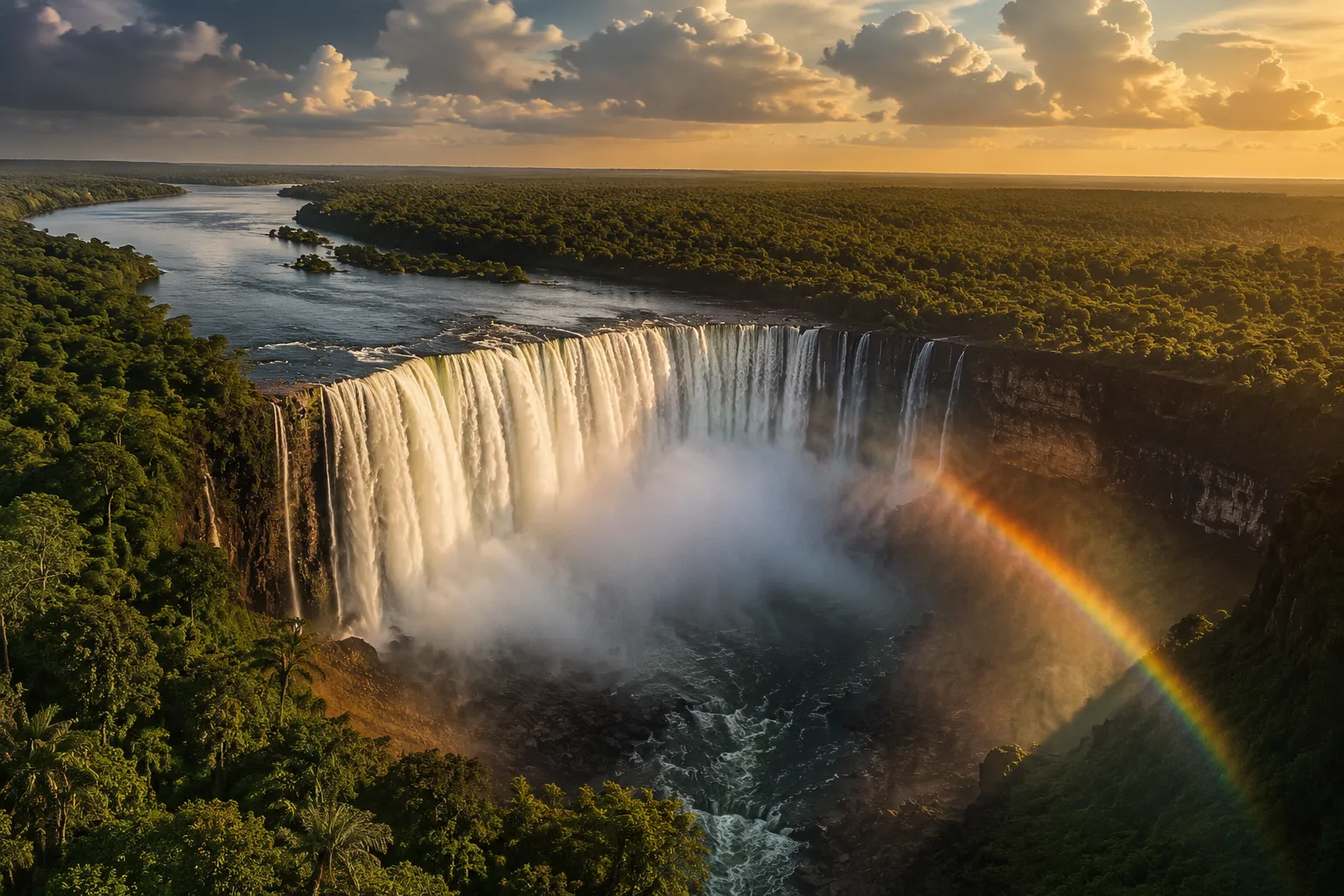
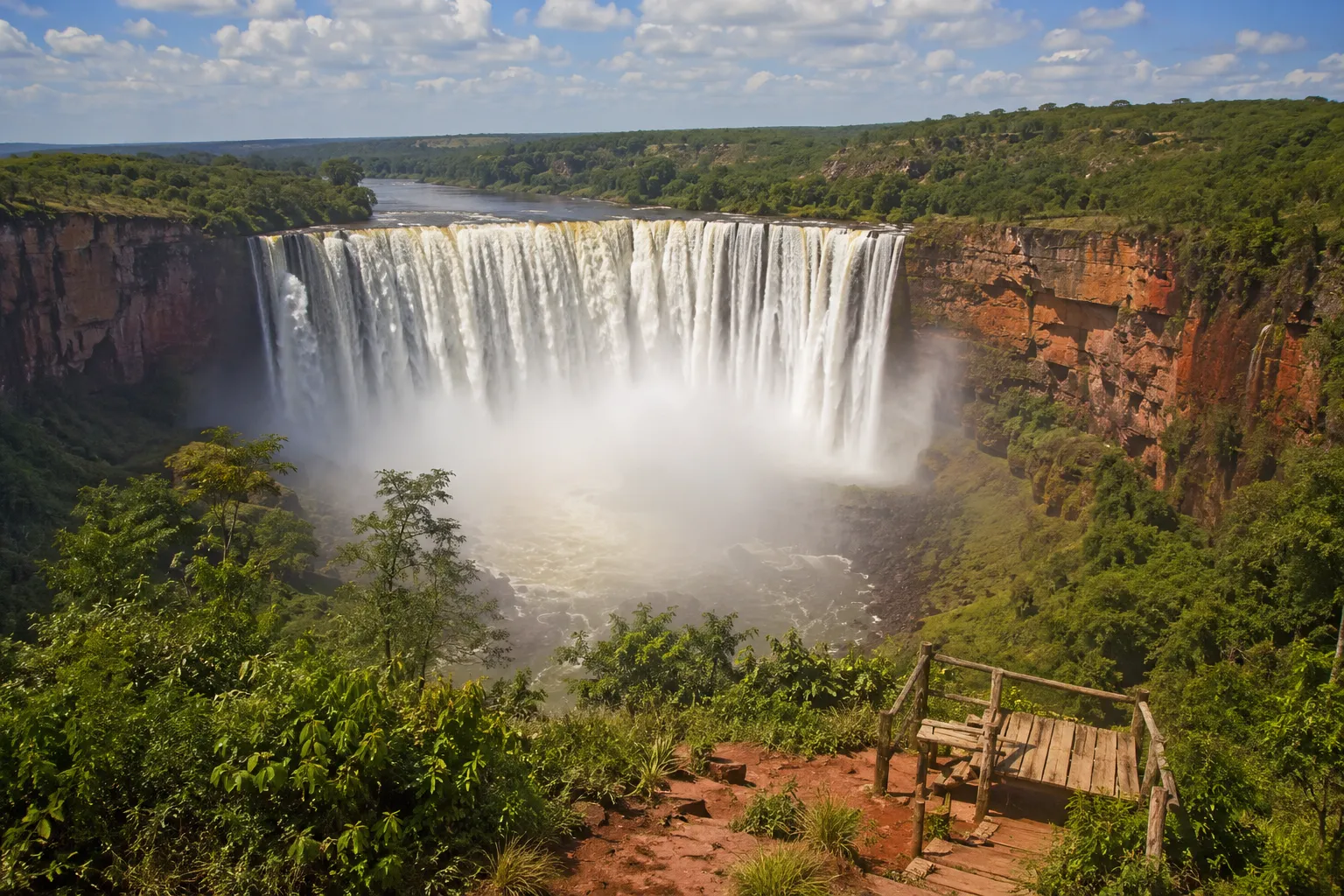
Kalandula Falls (Quedas de Kalandula) on the Lucala River in Malanje province is one of the largest waterfalls in Africa by volume and the single reason most travellers come to inland Angola. It forms a wide semicircular curtain that thunders over dark basalt cliffs into a forested gorge below.
- Location: About 85 km northwest of Malanje city, in Malanje province.
- Reported size: Around 105 metres tall, roughly 400 metres wide (sources vary; verify locally).
- What makes it special: The sheer scale, the horseshoe shape, and the fact you can often stand on the cliff edge with almost no crowds.
- Best viewpoints: The classic panorama is from the opposite ridge near the small Pousada Calandula. A steep footpath descends toward the base (slippery in the wet season).
For a deeper practical guide, see our dedicated article on Kalandula Falls.
“Standing at the edge of Kalandula in the green season, you feel the ground vibrate. It’s the closest thing to Victoria Falls that almost nobody talks about.”
How Do I Get to Kalandula Falls From Luanda?
From Luanda, it’s roughly a 380 km drive east to Malanje city, then another 85 km northwest to the falls. Plan on 6 to 8 hours of driving each way, and split it over two days if you can.
Your options:
- Self-drive with a 4x4: The main road (EN230) to Malanje is paved but variable in quality. The final stretch to Kalandula is unpaved and rough after rains.
- Hire a driver-guide from Luanda: The easiest option for most international travellers. Expect a two-day or three-day package including Pedras Negras.
- Domestic flight to Malanje + local transfer: TAAG occasionally operates flights, verify the current schedule with TAAG Angola Airlines.
Combine the trip with a stop at Pedras Negras de Pungo Andongo, the massive black rock formations about 120 km south. For general logistics on visas, flights, and money, plan your trip to Angola in more detail first.
Best Time of Year to Visit Angola Waterfalls
The best time to visit Angola’s waterfalls is late in the green (rainy) season, roughly March to May. Flow is at its peak, mist rainbows are common, and the surrounding landscape is lush.
- November to February: Full green season. Waterfalls are dramatic but access roads can flood.
- March to May: My personal sweet spot. Strong flow, drying roads, softer light.
- June to September: Dry season. Flow is much reduced at some falls (Kalandula shrinks noticeably, Ruacana can be a trickle).
- October: Transition month, hot and dusty; smaller cascades may be dry.
If you’re travelling in the dry months, don’t skip Kalandula. It’s still impressive, just less overwhelming. For seasonal planning, see the best time to visit Angola.
Ruacana, Binga, and the Lunda Cascades
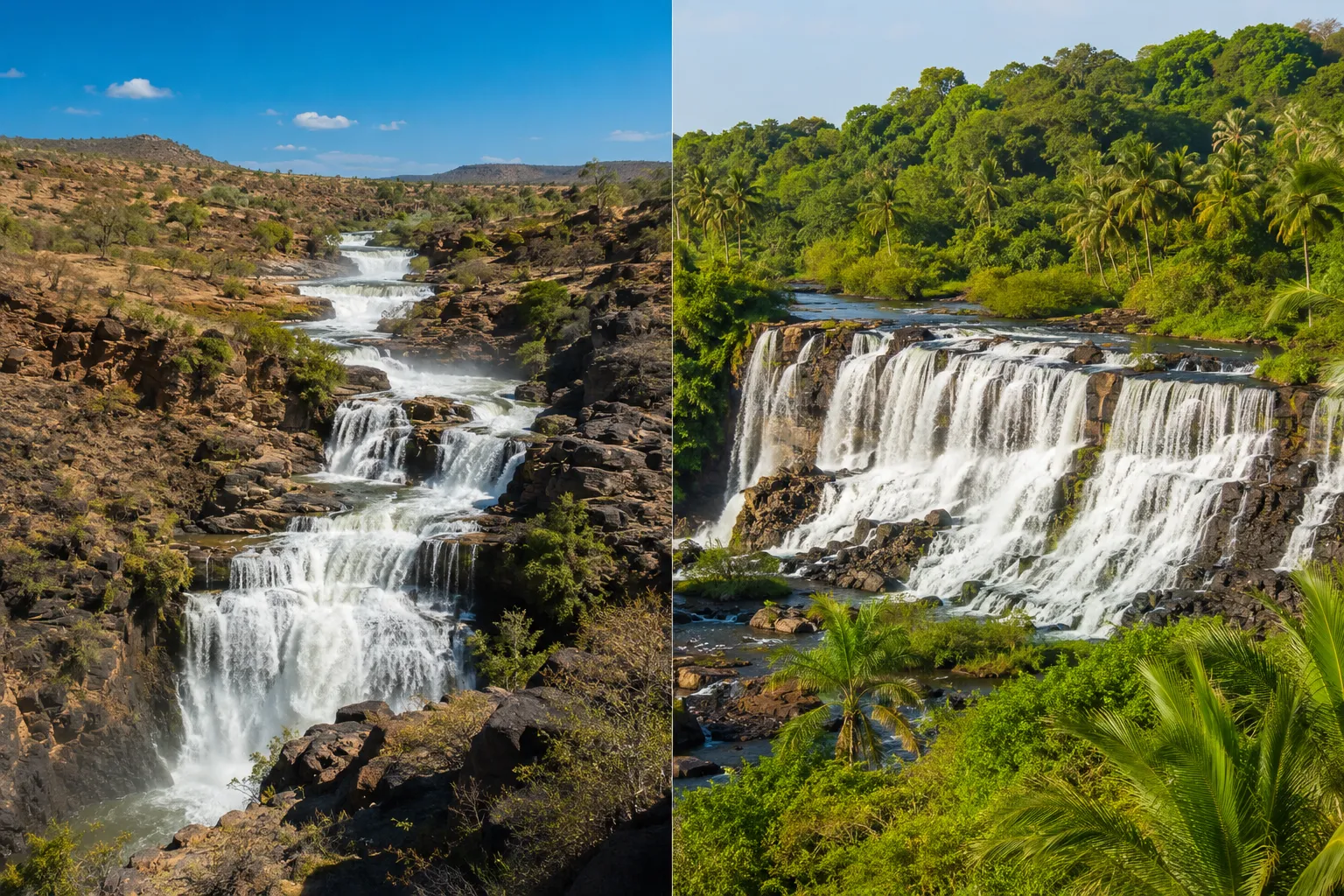
Beyond Kalandula, three regions deserve attention: the Cunene border, Cuanza Sul, and the Lunda provinces in the east.
Ruacana Falls (Cunene River)
Ruacana Falls sits on the Cunene River right on the border with Namibia. Reported heights hover around 120 metres, with a width of over 700 metres at full flood.
- Catch: Much of the flow is diverted to the Ruacana hydropower station. It’s genuinely spectacular only when the river is in flood (typically Feb to April).
- Access: Easiest from the Namibian side, but visible and accessible from Angola with the right paperwork. Remote and requires a 4x4.
Binga Falls (Cachoeiras de Binga)
Binga Falls in Cuanza Sul, on the Cuvo (Queve) River, are wider than they are tall, forming a curtain of white water across dark bedrock.
- What makes it special: Genuinely off the tourist map. Surrounded by dense vegetation and traditional villages.
- Access: Rough tracks from the main coastal road. A local guide is essentially mandatory.
Chiumbe and Luachimo Falls (Lunda Norte / Sul)
The Chiumbe and Luachimo rivers in the diamond-rich Lunda provinces host a series of falls and rapids. These are the most remote of the lot. Some areas require permits due to mining zones, so travel with a reputable operator and confirm access in advance.
Are Angola Waterfalls Safe for Tourists?
Angola’s waterfalls are generally safe to visit, but they’re not developed like tourist sites in Southern Africa. There are no guardrails at Kalandula’s main viewpoint, no signposted trails at Binga, and no rescue services if things go wrong.
Key safety points:
- Cliff edges at Kalandula are unfenced. Stay well back, especially in wet weather.
- Slippery paths near plunge pools are the biggest injury risk.
- Crocodiles are present in some rivers. Never swim without local advice.
- Malaria is present nationwide. Take prophylaxis and use repellent.
- Landmines: Some rural areas of Angola still have residual mines. Stay on marked paths and hire local guides.
Check current travel advice with your government’s travel advisory before booking. For a fuller picture, read is Angola safe.
Which Angola Waterfall Is the Highest?
Ruacana Falls on the Cunene River is generally considered the highest in Angola at a reported height of around 120 metres, edging out Kalandula’s roughly 105 metres. Both figures come from older surveys and should be treated as approximate.
Height isn’t everything. Kalandula’s volume and width make it visually more overwhelming than Ruacana most of the year, especially when Ruacana’s flow is diverted for hydropower.
Can You Swim in Angola Waterfalls?
Swimming is possible in some plunge pools and side streams, but not directly under the main falls at Kalandula, Ruacana, or Binga. Currents, submerged rocks, and crocodiles in some rivers make it dangerous.
Safer options:
- Calm side pools upstream of Kalandula, with a local guide who knows the current.
- Smaller cascades and streams around Malanje where villagers bathe.
- Never swim without asking someone local first. Rivers change quickly in the wet season.
How Much Does It Cost to Visit Angola Waterfalls?
There’s usually no formal entrance fee for Kalandula, Binga, or the Lunda falls, but total trip costs add up quickly because of transport, guides, and accommodation. Angola is not a budget destination.
Rough budget lines (verify current prices):
- 4x4 with driver from Luanda: the biggest single expense on any waterfall trip.
- Basic pousada or guesthouse near Kalandula: modest but not cheap.
- Local guide: usually a daily fee, tip on top.
- Fuel: significant given the distances involved.
- Meals: inexpensive in villages, pricier in Luanda and hotels.
Luanda regularly appears on lists of the world’s most expensive cities for expats, and that filters into tourism. Budget more than you would for a comparable trip in Namibia or Zambia.
What’s the Difference Between Kalandula and Duque de Bragança Falls?
They’re the same waterfall. “Duque de Bragança” was the Portuguese colonial name for Kalandula Falls, used until the mid-1970s. After independence in 1975, most colonial-era place names were changed, and the falls (and the nearby town) were renamed Kalandula (sometimes spelled Calandula).
If you see “Duque de Bragança Falls” in old guidebooks, colonial-era photos, or vintage postcards, that’s Kalandula. There’s no separate site.
Do I Need a Guide to Visit Waterfalls in Angola?
For most of Angola’s waterfalls, hiring a guide is strongly recommended, and for the remote sites in Cuanza Sul and the Lundas, it’s essentially mandatory. Portuguese is the official language, English is rarely spoken outside Luanda hotels, and signage is minimal.
You can technically self-drive to Kalandula if you:
- Speak Portuguese or travel with someone who does.
- Have solid 4x4 experience on rough rural roads.
- Carry offline maps (mobile signal is patchy).
For Ruacana, Binga, or the Lunda falls, go with a local operator or an experienced fixer. See our notes on Angola travel advice for more on local logistics.
What Should I Bring When Visiting Angola Waterfalls?
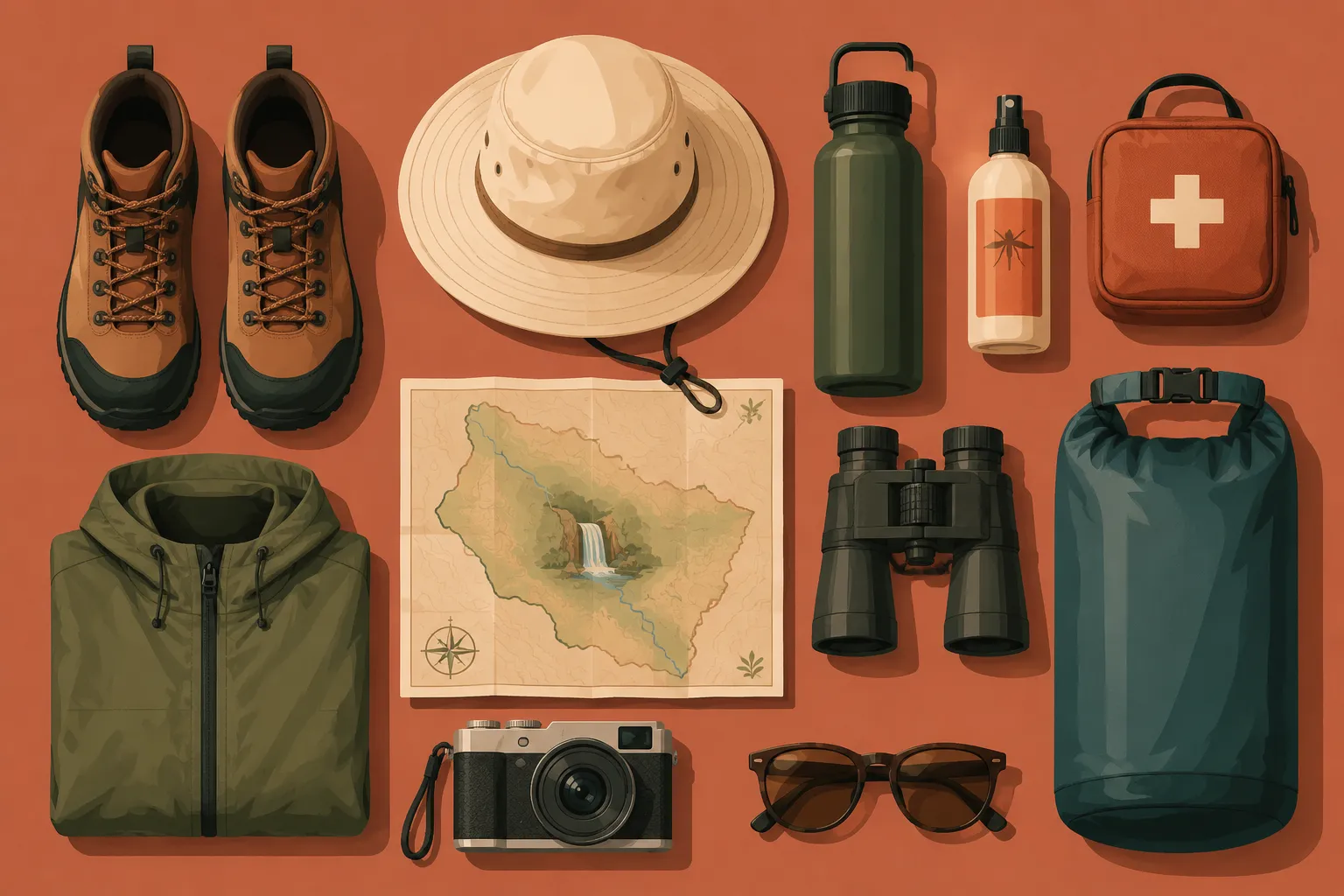
Pack for a mix of tropical heat, sudden rain, and unmaintained trails. There are no shops at the falls themselves, only in the nearest towns.
Essentials:
- Sturdy hiking shoes or boots with grip (paths get slick).
- Waterproof dry bag for camera and phone.
- Rain shell even in the “dry” season.
- Insect repellent with DEET and long sleeves for dusk.
- Malaria prophylaxis (consult your doctor well before departure).
- Cash in kwanza (AOA): card acceptance is limited outside Luanda.
- Printed copy of your visa and passport.
- Basic first-aid kit.
- Portuguese phrasebook or offline translation app.
For vaccination and health prep, cross-check with your travel clinic and see Angola vaccinations and health.
Are There Waterfalls Near Luanda for a Day Trip?
Honestly, no. There are no major waterfalls within realistic day-trip distance of Luanda. Kalandula is a two-day minimum trip, and Binga is a long, rough drive south.
For a day out from the capital, consider instead:
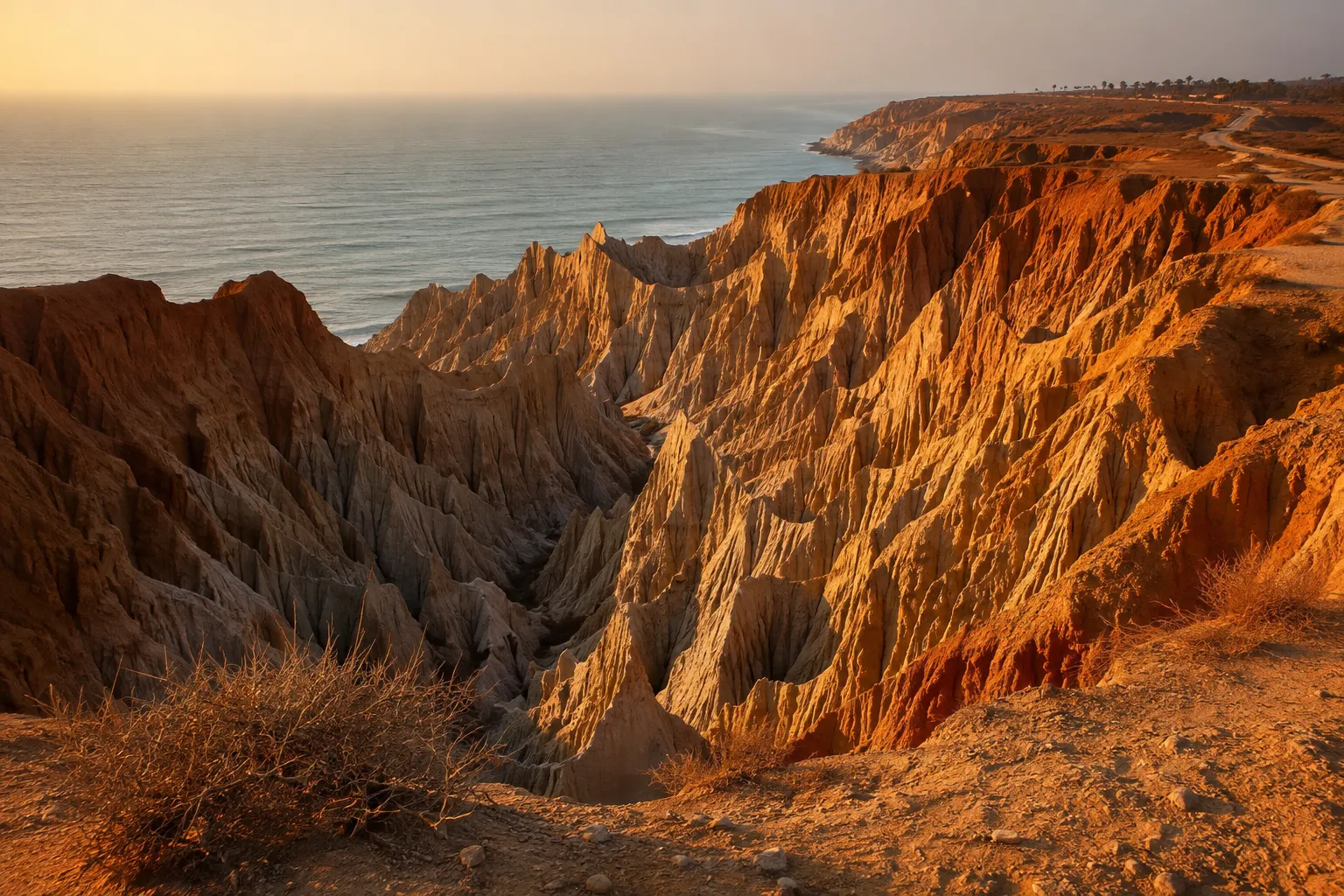
- The lunar landscapes at Miradouro da Lua south of Luanda.
- The beaches and lagoon of Mussulo.
- Wildlife at Kissama National Park, about three hours south.
If waterfalls are your priority, plan a longer inland trip rather than trying to squeeze one into a Luanda stopover.
What’s the Easiest Waterfall to Reach in Angola?
Kalandula Falls is by far the easiest to reach for international travellers. The road from Luanda to Malanje is mostly paved, there’s a small pousada with a viewpoint on the doorstep, and local guides are used to foreign visitors. Every other major waterfall requires significantly more effort, remote driving, or border logistics.
How Far Is Kalandula From Other Tourist Attractions?
Kalandula pairs naturally with a small circuit of Malanje sights:
- Pedras Negras de Pungo Andongo: About 120 km south of Kalandula, roughly 2 to 3 hours by road. Giant black rock formations, easily added to a two-day loop.
- Cangandala National Park: South of Malanje city, home to the critically endangered giant sable antelope (palanca negra gigante).
- Malanje city: Base for supplies, fuel, and better lodging than the falls themselves.
From Kalandula, the coastal cities of Benguela and Lobito are a long haul (over 1,000 km); treat them as a separate trip.
What Wildlife Can I See at Angola Waterfalls?
Don’t expect Serengeti-style megafauna at the falls themselves. The main wildlife around Angola’s waterfalls is birdlife, small mammals, and reptiles.
Realistic sightings:
- Birds: African fish eagles, hornbills, kingfishers, weavers, and various raptors, especially around Kalandula.
- Monkeys and baboons in the surrounding woodland.
- Butterflies and dragonflies in huge numbers during the green season.
- Crocodiles in some river stretches (another reason not to swim on impulse).
For actual big-game viewing, combine your waterfall trip with Kissama National Park or the more remote parks in the south.
Planning tip: Book your 4x4 and guide before you fly. Reliable operators in Luanda get booked out weeks ahead in the March-to-May sweet spot. Confirm your visa status with the official Angolan e-visa portal well in advance.
Conclusion
Angola’s waterfalls reward travellers who plan carefully. Start with Kalandula: it’s the most accessible, the most spectacular, and the best introduction to the country’s raw scale. Add Pedras Negras, spend a night in Malanje, and you’ll already have one of Africa’s most memorable short trips under your belt. If you have more time, push south to Binga or east to Ruacana and the Lundas, but go with a guide, in a 4x4, and ideally in March, April, or May.
Next steps:
- Check current visa and vaccination requirements with official sources.
- Book a Luanda-based 4x4 operator at least a month ahead for the green season.
- Read our full guide to Kalandula Falls before you go.
Free help from our team in Angola
Want to see Angola’s waterfalls?
Most waterfalls are far from the cities. Tell us your dates and we plan the drive to Kalandula and beyond, with a guide from our own team and a place to stay.
- Local team in Angola
- No obligation, nothing to pay
- Reply by email or WhatsApp
Want to keep this guide? We email you the key points with a link to every section.
Frequently asked questions
Is Kalandula bigger than Victoria Falls?
Victoria Falls is significantly larger overall (about 1,700 m wide and 108 m tall). Kalandula is smaller but similar in height and comparable in scale to many major African waterfalls.
Can I visit Angola's waterfalls without speaking Portuguese?
Yes, but only with a guide or driver who translates. English is rare outside Luanda hotels.
Do I need a visa for Angola?
Citizens of 98 countries, including most major source markets such as the UK, the US, Brazil, South Africa and most of the EU, can enter Angola visa-free for tourism stays of up to 30 days under a decree in force since September 2023. Other nationalities need an e-visa arranged in advance. Check the official list on evisa.ao before booking.
Are drones allowed at Kalandula Falls?
Drone rules in Angola are strict and enforcement is inconsistent. Assume you need permits and check with local authorities before flying anywhere.
Is it safe to travel to Malanje province?
Malanje is generally considered one of the safer inland provinces for tourism, but always check your government's current travel advice.
Can I combine Angola's waterfalls with a Namibia trip?
Yes, via the Ruacana border, but overland border crossings can be slow and paperwork-heavy. Plan extra days.