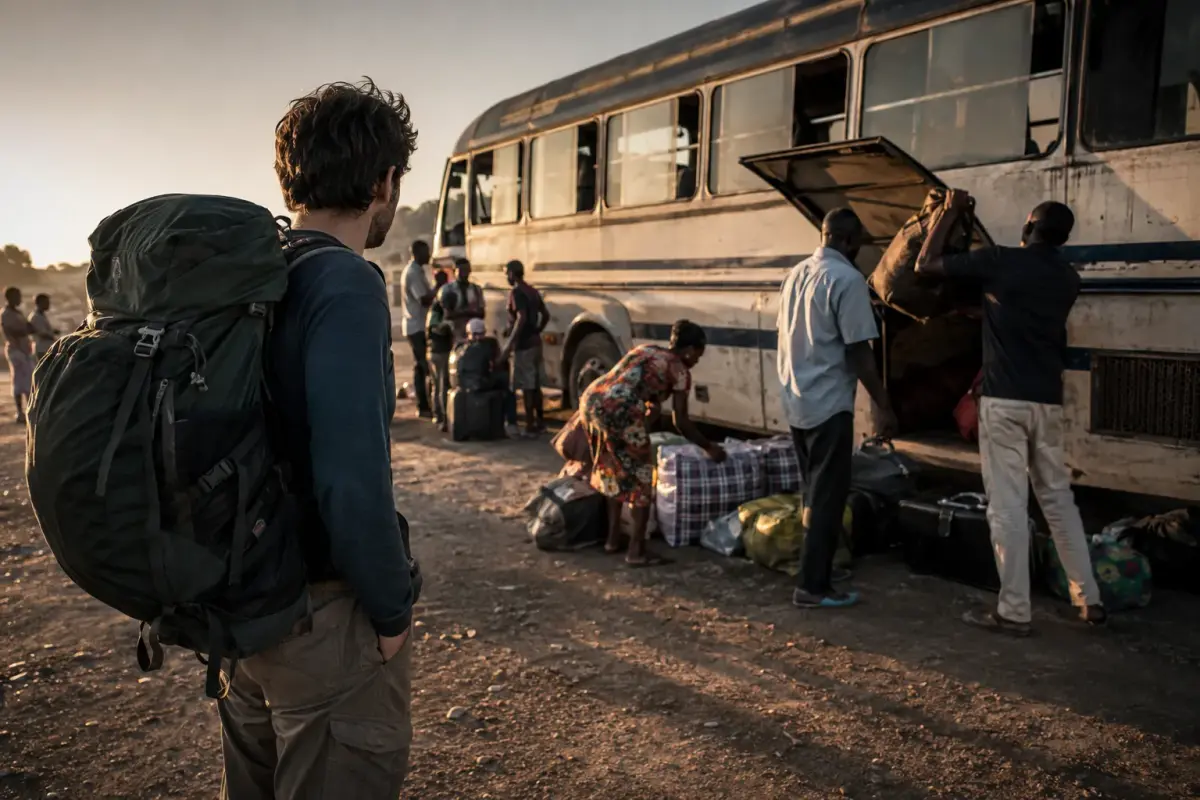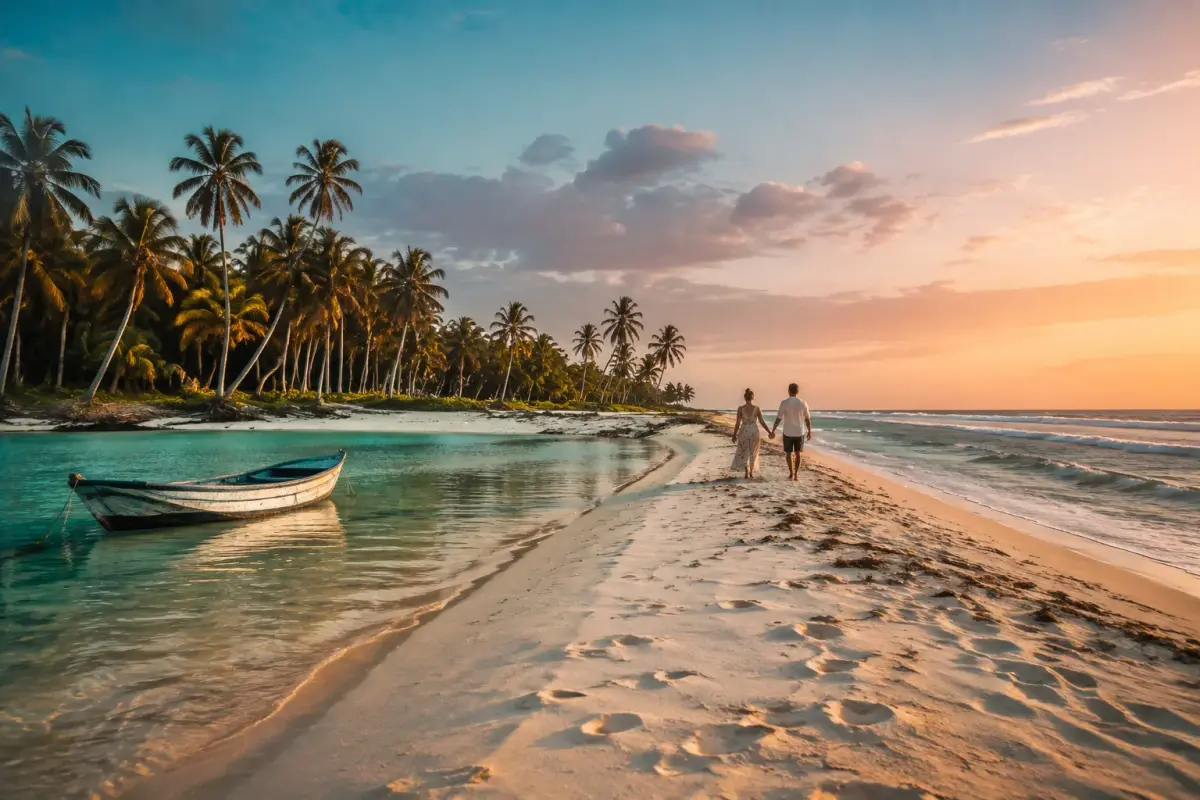
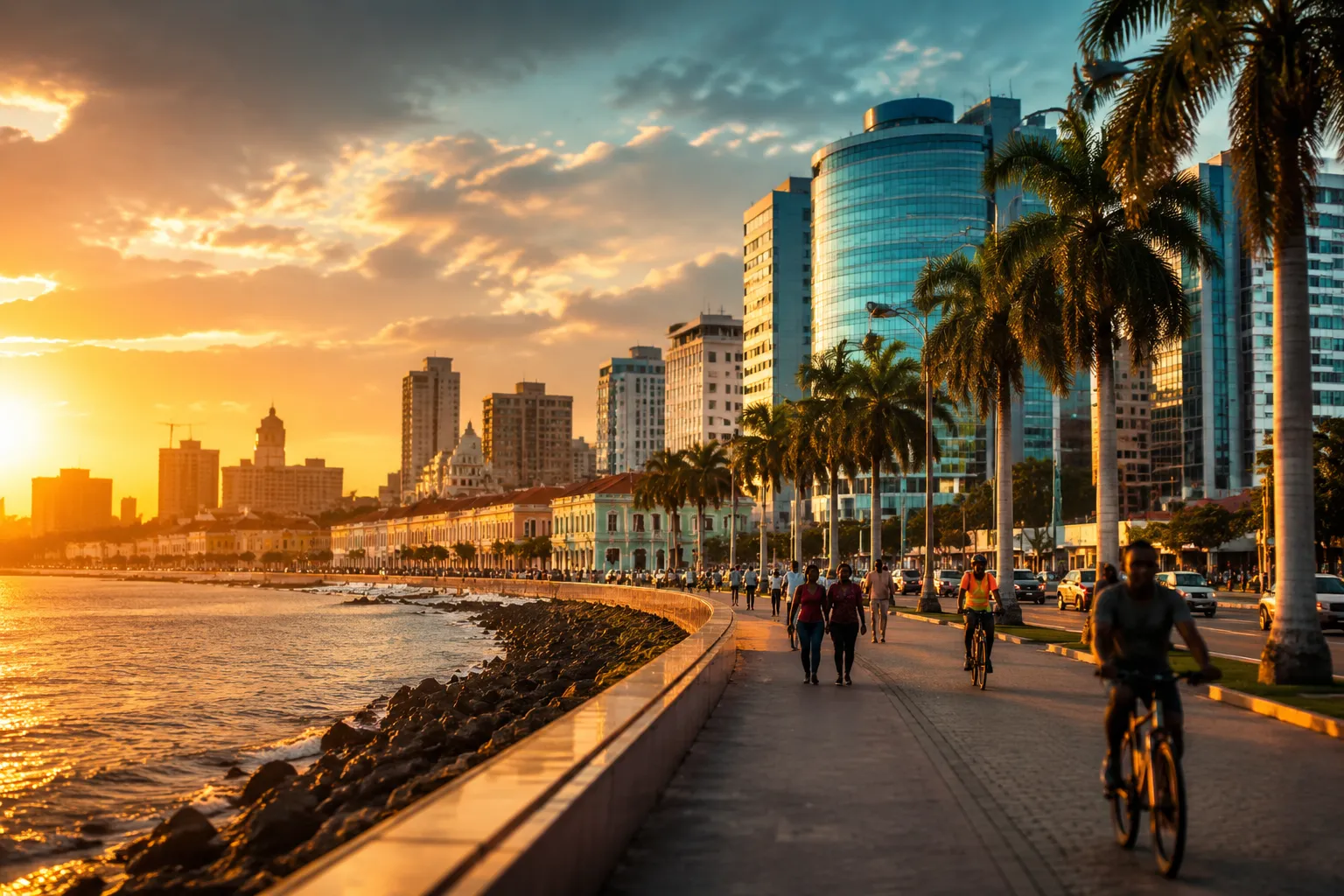
Luanda is regularly ranked among the most expensive cities in the world for expats, yet most travellers spend less than 72 hours here before flying on to Kalandula or Lubango. That’s a mistake. Angola’s capital packs Portuguese fortresses, Atlantic beaches, a slavery museum with global significance, and one of West Africa’s best seafood scenes into a walkable coastal strip. This guide lays out exactly how to spend 3 days in Luanda without wasting money or missing the essentials.
Quick Answer
Three days in Luanda works well as a city break: Day 1 covers the historic Marginal, Fortaleza de São Miguel, and the National Museum of Slavery; Day 2 is beach time on Ilha do Cabo followed by a boat trip to Mussulo; Day 3 is a day trip to Miradouro da Lua or Kissama National Park. Budget travellers can manage on roughly USD 150 to 200 per day; mid-range comfort runs USD 300 to 500. Book hotels in Ingombota or on the Marginal, use Yango for transport, and pay cash in kwanza outside major hotels [1][2].
Key Takeaways
- 3 days is enough to see the city core and take one day trip, but not enough to combine Luanda with inland Angola.
- Stay on or near the Marginal (Ingombota, Miramar, or Ilha) for the easiest access to sights and restaurants.
- Use Yango (Angola’s answer to Uber) instead of hailing street taxis; it’s cheaper and safer [2].
- Cash matters: many places accept cards, but always carry kwanza for taxis, small restaurants, and boat trips.
- Best weather is the dry season, roughly May to October, when it’s cooler and less humid.
- Safety is manageable with common sense: keep valuables hidden, avoid walking alone at night, stick to well-lit areas.
- The National Museum of Slavery and Fortaleza de São Miguel are the two cultural must-sees.
- Mussulo Island is the most popular day escape; Miradouro da Lua and Kissama are the top out-of-town trips [1][5].
What Are the Best Things to Do in Luanda in 3 Days?
The best 3-day Luanda plan mixes history, coast, and culture: colonial fortress and slavery museum on Day 1, island beaches and seafood on Day 2, and a natural landmark or wildlife day trip on Day 3. This structure covers the capital’s identity as a former Portuguese port, a tropical Atlantic city, and the gateway to Angola’s wider landscapes [1].
Day 1: History and the Marginal
- Morning: walk the Marginal de Luanda promenade at Baía de Luanda, with views of the National Bank of Angola building.
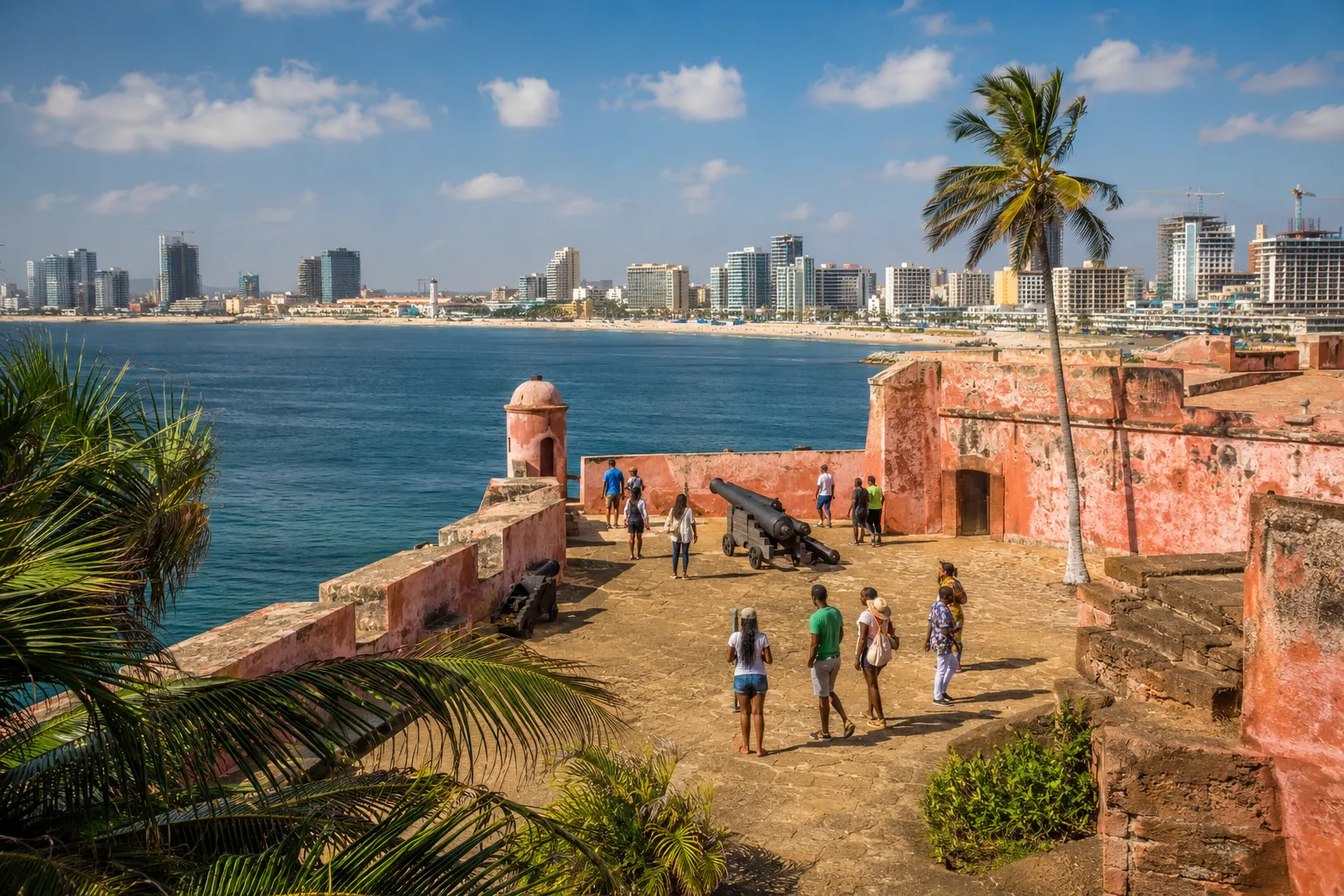
- Late morning: tour Fortaleza de São Miguel, the 16th-century fortress that now houses the Armed Forces Museum [1][7].
- Lunch: seafood in the Baixa (lower town) at a spot like Espaço Baía.
- Afternoon: the National Museum of Slavery (Museu Nacional da Escravatura), south of the city on the road to Barra do Kwanza, one of the most important sites on this coast.
- Evening: dinner and drinks in Ingombota or on Ilha.
Day 2: Beaches and Mussulo
- Morning: breakfast on Ilha do Cabo (Ilha de Luanda), the narrow sandy peninsula lined with restaurants and beach clubs.
- Mid-morning: boat transfer to Mussulo, a lagoon-side peninsula about 30 to 45 minutes across the water from Cabo Ledo or Ilha [1].
- Lunch: grilled fish at a Mussulo beach club (Belas Beach Club and Flamingo Bay are popular).
- Afternoon: swimming, kayaking, or a jet ski if you’re feeling flush.
- Evening: sunset drinks back on Ilha.
Day 3: Day trip
Pick one: Miradouro da Lua (the “moon viewpoint” about 40 km south), Kissama (Quiçama) National Park for elephants and antelope, or Barra do Kwanza where the Kwanza River meets the Atlantic [4][5].
Is 3 Days Enough Time to See Luanda?
Yes, 3 days is enough to see Luanda’s main sights and take one day trip, but it’s not enough if you also want to visit inland Angola. The city itself is compact along the coast, so two full days cover the historic core, museums, and beaches comfortably. The third day is best spent on an excursion outside the city rather than trying to squeeze in more urban sights.
Choose a longer stay if: you want to add Kalandula Falls (a full day’s drive inland), Benguela, or Lubango [4]. 3 days works fine if: Luanda is a stopover, a business-plus-leisure trip, or your first taste of Angola before flying on.
Where to Stay in Luanda for a 3 Day Trip
Stay in Ingombota, Miramar, or on the Marginal for the best mix of safety, walkability, and access to restaurants. These central neighbourhoods put you within a short Yango ride of every major sight.
| Area | Best for | Vibe |
|---|---|---|
| Ingombota / Baixa | First-time visitors | Central, historic, walkable |
| Miramar | Higher-end stays | Hilltop views, embassy district |
| Ilha do Cabo | Beach access | Restaurants, nightlife, sea breeze |
| Talatona | Business travellers | Modern, further from centre |
Luanda hotels are famously pricey. Expect USD 150 to 250 per night for solid mid-range options and USD 300+ for international chains. For more detail on neighbourhoods and picking a base, see our full guide to Luanda and where to stay in Luanda.
Booking tip: rates fluctuate a lot in Luanda. Compare a couple of platforms before locking in, and check whether breakfast and airport transfer are included, since taxi fares from the airport add up quickly.
Luanda Food and Restaurants You Have to Try
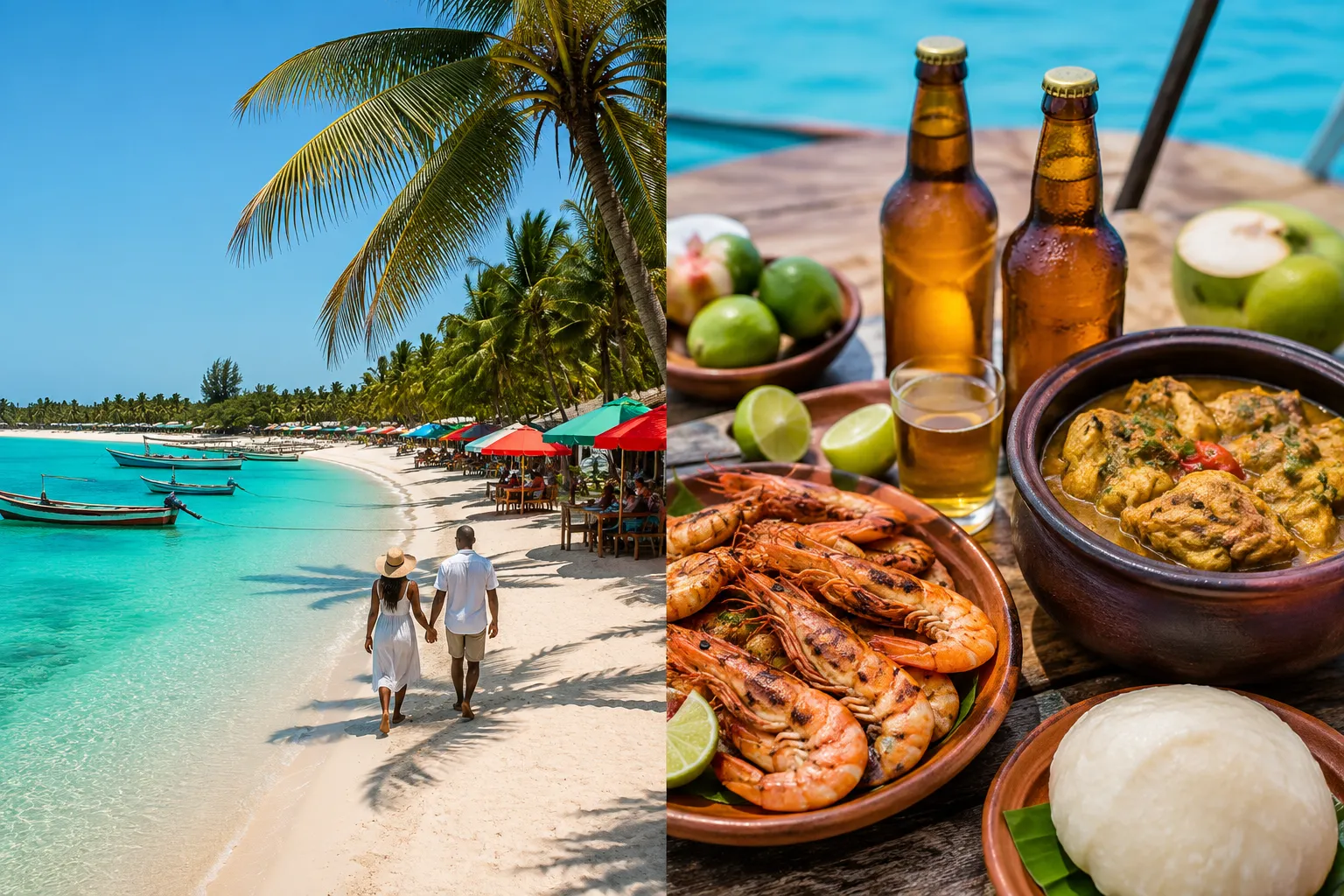
Luanda’s food scene is built on Atlantic seafood, Portuguese technique, and Angolan staples like funge, muamba, and calulu. You genuinely cannot leave without trying grilled fish on Ilha and a proper muamba de galinha.
Dishes to order:
- Muamba de galinha: the national dish, chicken stewed with palm oil, okra, and garlic.
- Calulu: dried fish or meat with vegetables and palm oil.
- Funge: cassava or corn porridge, the standard side.
- Grilled prawns and lobster: the coast delivers.
- Kizaca: cassava leaves, often with peanuts.
Where to eat: Ilha do Cabo for beachfront seafood, Baixa for lunch spots, Miramar for upscale dining with a view. Local beers Cuca and Nocal go with everything. Read more about Angolan food before you go.
How Much Does a 3 Day Trip to Luanda Cost?
A 3-day Luanda trip costs roughly USD 450 to 1,500 total per person, excluding international flights. Budget travellers stretching every kwanza can do it on the lower end; anyone wanting mid-range hotels and a Mussulo boat trip lands in the middle; luxury pushes past USD 500 per day.
Hotel: 150 to 250 · Meals: 40 to 80 · Transport (Yango): 15 to 30 · Sights and museum entries: 5 to 15 · Mussulo boat and beach club day: 60 to 120 · Kissama day tour: 100 to 180
Prices change fast in Angola because of exchange-rate swings. Check the Banco Nacional de Angola for current rates and treat any figure you see online as a starting point.
Best Neighborhoods to Explore in Luanda
Baixa (Ingombota) is the historic lower town with colonial architecture, the Marginal, and the fortress. Ilha do Cabo is the beach strip. Miramar sits on a hill above the bay with embassies and views. Maianga and Alvalade offer a more local, everyday Luanda. Skip the outer suburbs unless you have a specific reason to go.
Walking works in Baixa during the day. Elsewhere, use Yango.
Luanda Day Trips From the City
The three most rewarding day trips from Luanda are Mussulo, Miradouro da Lua, and Kissama National Park. Each offers a completely different landscape and can be done in a single day from the capital.
- Mussulo: lagoon beaches, calm water, beach clubs. Reached by boat [1].
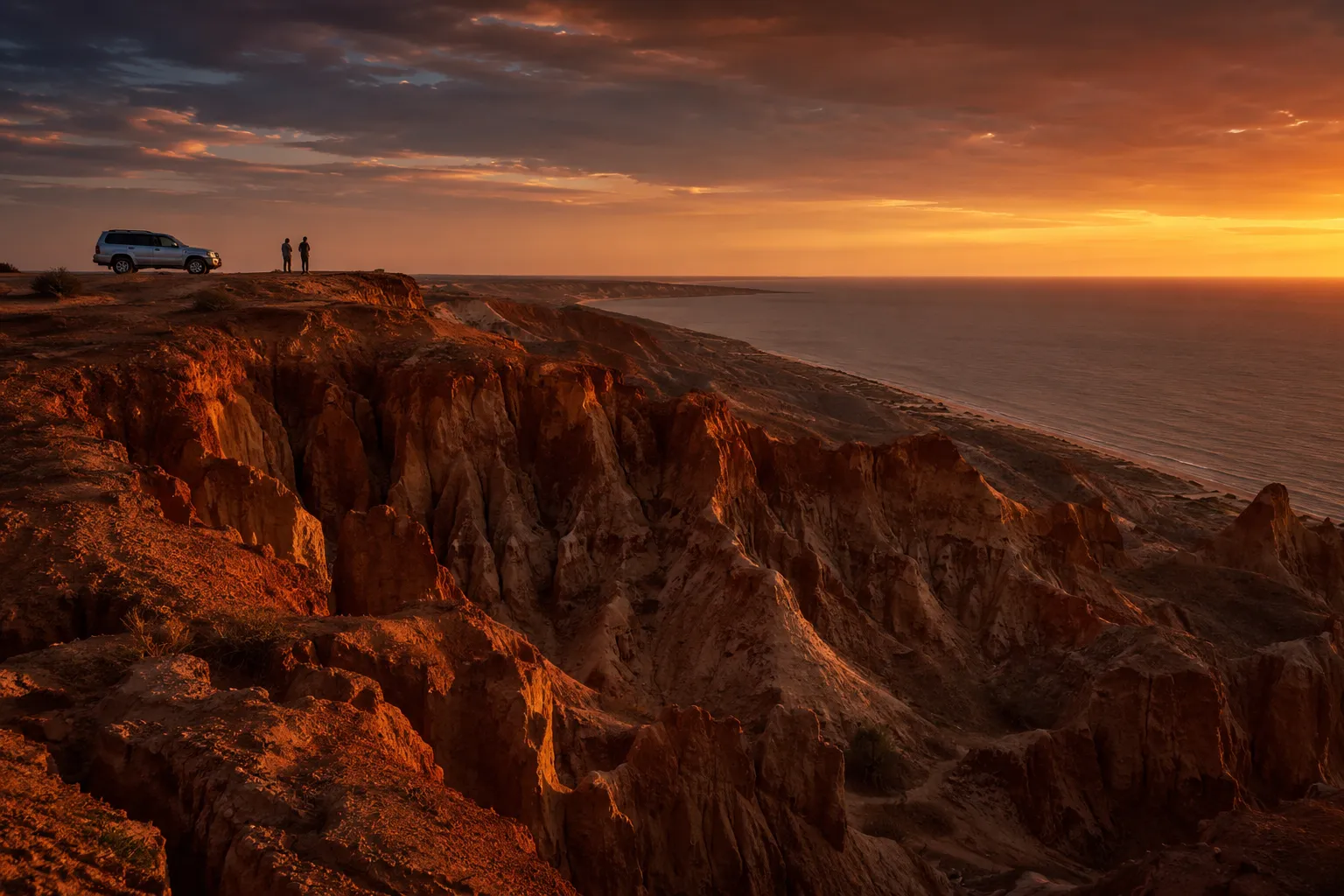
- Miradouro da Lua: eroded lunar landscape about 40 km south on the road to Cabo Ledo. Short stop, spectacular photos.
- Kissama (Quiçama) National Park: the closest national park to Luanda, restocked with wildlife via Operação Arca de Noé in the early 2000s. Elephants, antelope, guided game drives [4][5].
- Barra do Kwanza: mouth of the Kwanza River, birdlife, boat trips, sport fishing.
- Kalandula Falls: technically possible as a very long day but honestly needs an overnight [5].
More options in our guide to things to do in Angola and the Kissama National Park deep dive.
What’s the Weather Like in Luanda and When Should I Visit?
Luanda has a tropical climate cooled by the Benguela current, with two seasons: a dry, cooler season from roughly May to October and a hot, humid rainy season from November to April. May to October is the best time to visit for comfortable temperatures and blue skies.
- May to October: 18 to 27°C, low rainfall, best for beaches and day trips.
- November to April: hot, humid, occasional heavy downpours, still visitable but sticky.
For the full seasonal breakdown across the country, see best time to visit Angola.
How Do I Get Around Luanda, Taxis or Uber?
Use Yango, the ride-hailing app that dominates Luanda (Uber is not really present). It’s cheaper than street taxis, gives you a fixed fare, and adds a safety layer through the app [2]. Blue-and-white candongueiro minibuses run fixed routes and cost almost nothing, but they’re cramped and hard to navigate without Portuguese.
Practical tips:
- Download Yango before you land and add a payment method.
- Keep some kwanza cash for drivers who prefer it.
- Traffic is brutal on weekday mornings and evenings; plan sightseeing around it.
- For the airport transfer, arrange through your hotel or use Yango.
Luanda Museums and Cultural Sites Worth Visiting
The two essential cultural stops are the National Museum of Slavery and Fortaleza de São Miguel. Add the National Museum of Anthropology in a colonial mansion in Ingombota if you have time, and the Iron Palace (Palácio de Ferro) attributed to Gustave Eiffel’s workshop for a quick photo.
- National Museum of Slavery: small but essential, sited near the historic embarkation point for enslaved Angolans crossing the Atlantic.
- Fortaleza de São Miguel: 16th-century Portuguese fortress with panoramic bay views and the Armed Forces Museum inside [1][7].
- National Museum of Anthropology: ethnographic collection, traditional masks, and everyday objects from Angola’s many peoples.
- Agostinho Neto Mausoleum: the striking rocket-shaped monument to Angola’s first president.
Is Luanda Safe for Tourists Traveling Alone?
Luanda is generally safe for tourists who use common urban precautions, but petty crime (pickpocketing, phone snatching, opportunistic theft) is real, especially in crowded areas and at night. Solo travellers, including women, visit without major issues if they stick to sensible habits.
Practical safety rules:
- Don’t flash phones, jewellery, or large amounts of cash.
- Use Yango after dark instead of walking.
- Keep your passport in the hotel safe; carry a copy.
- Avoid the Cabinda exclave unless you’ve checked current travel advisories.
- Check your government’s current travel advisory before travelling. The UK, US, Canadian and Australian foreign offices all publish updated Angola pages.
More detail in our guide is Angola safe.
What Should I Pack for Luanda?
Pack light, breathable clothing for the heat, plus one layer for air-conditioned restaurants and cooler dry-season evenings. Add sun protection, insect repellent, and any prescription meds you might need.
- Lightweight cotton/linen clothing
- Swimwear and a quick-dry towel
- Sunscreen (SPF 30+), sunglasses, hat
- DEET insect repellent (malaria is present)
- European plug adapter (types C and F, 220V)
- Small first-aid kit and any personal medication
- Modest clothing for cultural sites and museums
- Copy of passport, yellow fever certificate
Confirm current vaccination requirements (yellow fever is typically required) and malaria advice via the WHO or a travel clinic. See Angola vaccinations for the full rundown.
Luanda Nightlife and Entertainment Options
Luanda’s nightlife runs late and loud, built around kizomba, semba, and kuduro at live-music bars and clubs on Ilha and in Ingombota. Expect dinner at 9pm, drinks at 11pm, dancing well past 2am on weekends.
- Ilha do Cabo: beach bars, cocktail lounges, sunset spots.
- Chill Out and other Ilha venues: live music and DJs.
- Miradouro da Lua parties: occasional beach events south of the city.
- Casa da Música / Cine Atlântico: more cultural evenings, concerts.
Dress up. Angolans dress well when they go out.
Conclusion
Three days in Luanda gives you enough time to walk the Marginal, stand inside a 400-year-old Portuguese fortress, sit with the weight of the National Museum of Slavery, swim at Mussulo, and see the moonlike cliffs of Miradouro da Lua. That’s a full trip. Book a hotel in Ingombota or on the Marginal, download Yango, pack light clothes and mosquito repellent, and check current visa and safety guidance before you fly. For more planning help, start with our pillars on travelling to Angola, Luanda, and things to do in Angola.
Ready to book? Compare flights with TAAG Angola Airlines and hotels through your preferred booking platform.
Free help from our team in Angola
Want your 3 days in Luanda arranged?
Tell us your dates and what you enjoy. We can pick you up at the airport and plan the days with a guide and driver from our own team, so you spend your time in the city and not in traffic.
- Local team in Angola
- No obligation, nothing to pay
- Reply by email or WhatsApp
Want to keep this guide? We email you the key points with a link to every section.
Frequently asked questions
Do I need a visa for Angola?
Angola has significantly relaxed its entry rules in recent years, with e-visas and visa-free tourism for many nationalities. Rules change often, so verify with the official Serviço de Migração e Estrangeiros (SME) or the e-visa portal before you travel. See our full guide to [Angola visa](/angola-visa/).
What currency is used and can I pay by card?
Angolan kwanza (AOA). Big hotels and upscale restaurants accept cards, but taxis, small shops, and beach clubs often want cash. Bring US dollars or euros to exchange at the airport or bank.
Is English widely spoken in Luanda?
No. Portuguese is the official language. English is limited to hotels and tourism staff. A few phrases in Portuguese go a long way.
What plug type does Angola use?
220V, 50Hz, European plug types C and F. Bring an adapter if you're coming from the UK, US, or Australia.
Can I combine 3 days in Luanda with Kalandula Falls?
Not easily. Kalandula is roughly 400 km inland in Malanje. Realistically add 2 more days for a proper Kalandula loop, or fly if a domestic route is running.
Is tap water safe?
No. Drink bottled or filtered water only, and use it for brushing teeth in budget accommodation.