Quick Answer
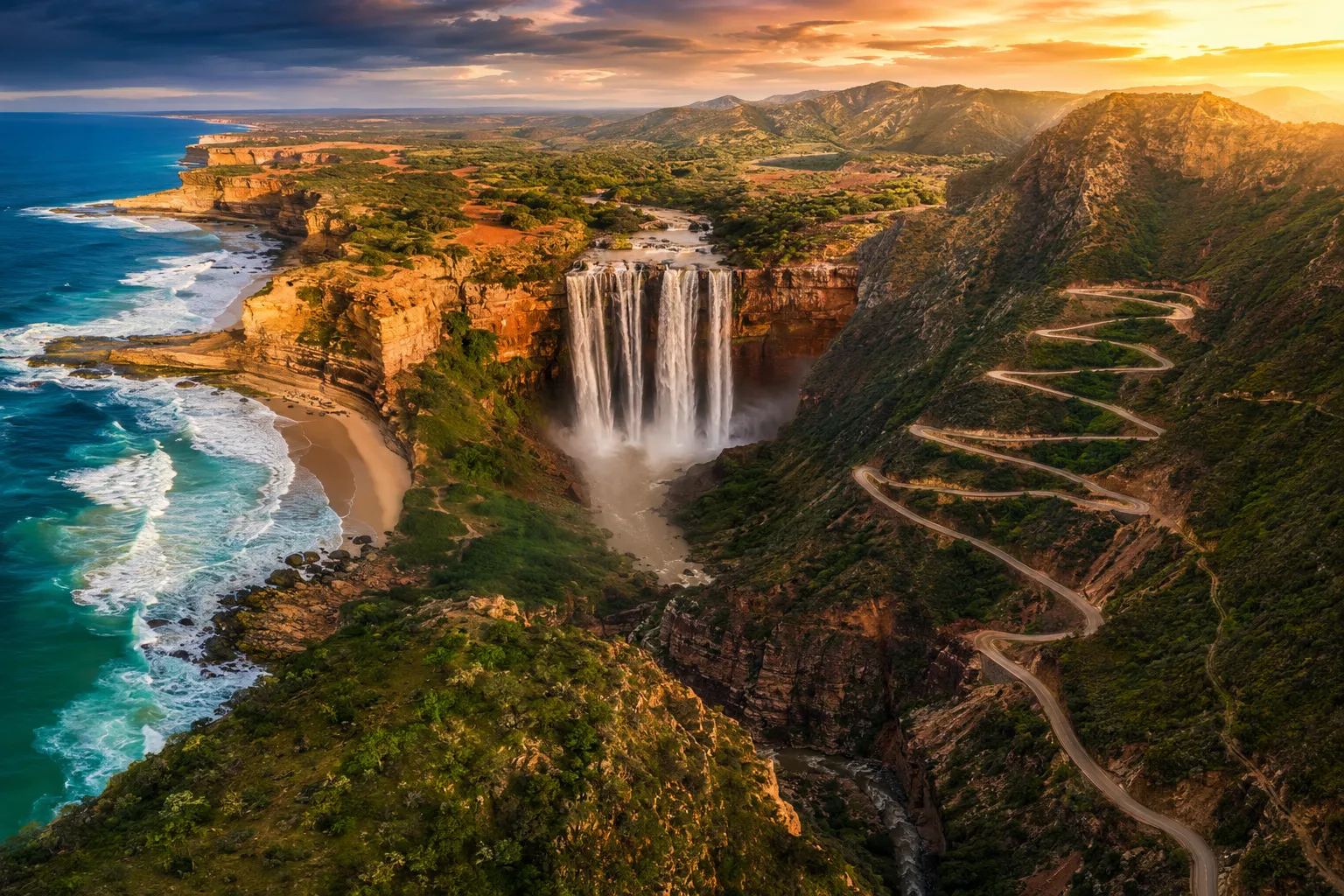
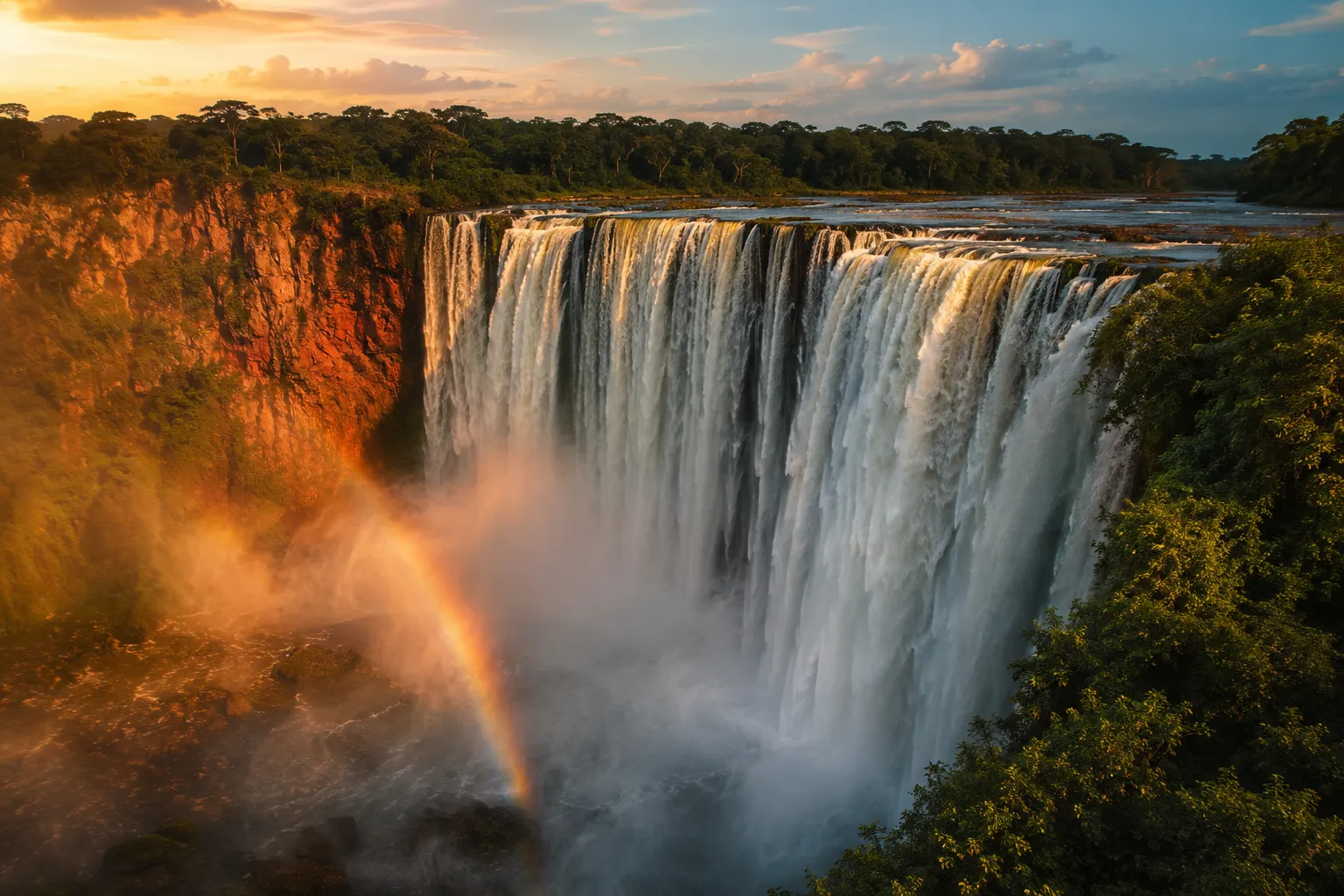
Malanje is a provincial capital in northern Angola and the practical base for visiting Kalandula Falls, one of Africa’s largest waterfalls, roughly 77 km (48 miles) north of the city, about 1 hour 11 minutes by road under normal conditions.[2] From Malanje you can also reach the Black Rocks of Pungo Andongo and, for wildlife travelers, Cangandala National Park, home to the critically endangered giant sable antelope. Most visitors spend 2 to 3 nights in Malanje, arriving overland from Luanda (roughly 380 km east) or by domestic flight/train.
Key Takeaways
- Malanje city is the launchpad for Kalandula Falls (about 77 km / 48 mi north) and the Black Rocks of Pungo Andongo (roughly 115 km southwest).[2]
- Best time to visit: late in the rainy season (March to May) when the falls are at peak flow, but roads are easier in the dry season (May to October).
- Expect a 2 to 3 hour journey from Malanje to Kalandula if you don’t self-drive, using the train to Zanga plus onward taxi.[2]
- Self-drive is the cheapest option, with fuel/road costs estimated around US $2-4 one way to the falls.[2]
- Cangandala National Park offers a chance to spot the palanca negra, Angola’s national symbol.
- Accommodation in Malanje town is basic but functional. Book ahead in peak season.
- Malanje is generally safe for tourists during daylight travel. Verify current safety advice before you go.
What Is Malanje Angola Known For?
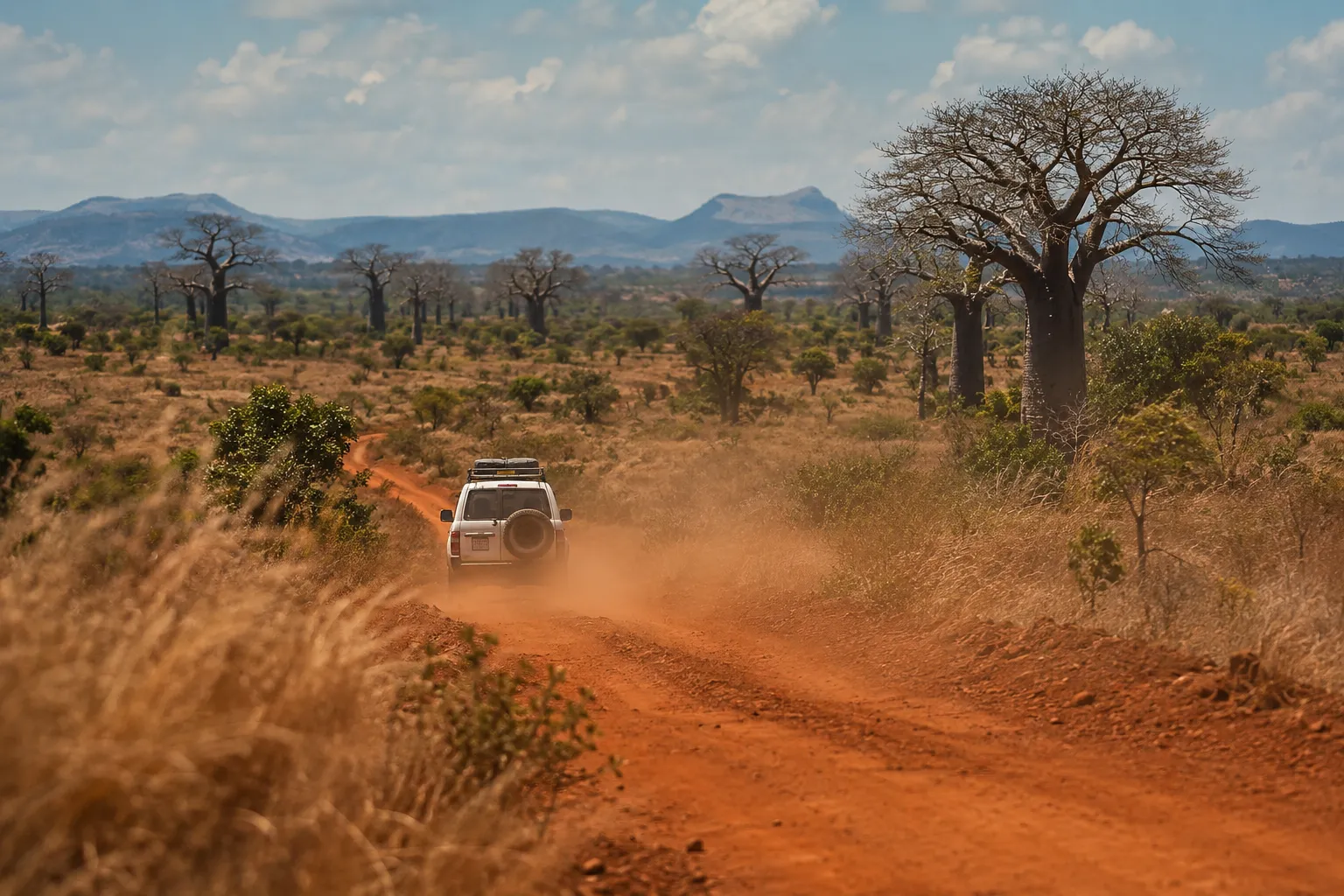
Malanje is best known as the gateway to Kalandula Falls, one of the largest waterfalls in Africa by volume, and to the surreal geological formations known as the Black Rocks of Pungo Andongo (Pedras Negras). The province also contains Cangandala National Park and part of the Luando Reserve, both critical habitat for the giant sable antelope, Angola’s national symbol.
Beyond the headline sights, Malanje is Angola’s agricultural interior: rolling savanna, gallery forests, cotton and cassava fields, and small mission towns dating from the Portuguese colonial era. If you want to see Angola beyond Luanda’s coast, Malanje is where the country’s wild heart opens up. For broader context, see our overview of things to do in Angola.
How Do I Get to Malanje From Luanda?
You have three realistic options from Luanda to Malanje: drive, take the train, or fly domestically when service is available.
By road (most common): The overland route via the EN-230 covers roughly 380 km. Under good conditions you’re looking at 6 to 8 hours, longer if you stop or hit rain-damaged sections. A 4x4 is not strictly required for the main road, but useful for onward excursions.
By train: The Luanda Railway (CFL) historically connects Luanda to Malanje. Schedules change, so verify current departures locally. A helpful contact number for Angolan transport information is +244 222 301 001.[2]
By air: Malanje has a small airport with occasional domestic connections. Availability varies. Check TAAG Angola Airlines for current schedules. For general flight planning, read our guide on flights to Angola.
How Do I Get to Kalandula Falls From Malanje?
Kalandula Falls sits about 77 km (48 miles) north of Malanje city, and the drive takes roughly 1 hour 11 minutes under normal conditions.[2] There is no direct public transport, so you have three practical options:
- Self-drive or rental with driver: The cheapest and most flexible route. Fuel costs are estimated at around US $2 to $4 one way.[2]
- Train + taxi combo: Take the train from Malanje to Zanga station, then a taxi onward to the falls. Total journey time is around 2 hours 23 minutes including transfers.[2]
- Organized tour: Local operators in Malanje run day trips. Expect to pay more, but you skip logistics.
A useful local contact for the Kalandula area is +244 927 645 431, which some travelers use to arrange guides or transfers.
For the falls themselves, read our detailed page on Kalandula Falls.
Can You Visit Kalandula Falls as a Day Trip From Malanje?
Yes. Kalandula is easily doable as a day trip from Malanje. Leave by 7:00 AM, spend three to four hours at the falls (viewpoints, short hikes, photography), and you’re back in town by mid-afternoon. If you want to see the falls at sunset or golden hour, consider staying overnight at the small Pousada Calandula near the top of the falls. It’s rustic but has the best views in the region.
Best Time to Visit Malanje and Kalandula
The best time to visit Malanje depends on what you want to see. For maximum waterfall drama, go late in the rainy season, March to May, when Kalandula thunders at full volume. For easier roads and comfortable temperatures, choose the dry season, May to October.
| Season | Months | Falls Volume | Road Conditions | Recommended For |
|---|---|---|---|---|
| Peak wet | Feb, Apr | Maximum | Difficult, muddy | Photographers, waterfall lovers |
| Late wet | May | High | Improving | Best all-round balance |
| Dry | Jun, Sep | Moderate | Excellent | First-time visitors, families |
| Early wet | Oct, Jan | Rising | Variable | Off-season, fewer visitors |
For the wider seasonal picture, see best time to visit Angola.
Where to Stay in Malanje Town
Accommodation in Malanje is functional rather than luxurious. Expect mid-range business hotels, small guesthouses (pousadas), and a few basic options near the town center.
- Malanje town hotels: Best for train/bus access, restaurants, and errands. Look at Hotel Palace de Malanje and similar mid-range properties.
- Pousada Calandula: Small guesthouse right at Kalandula Falls. Rustic, unbeatable location, book well ahead.
- Guesthouses (residenciais): Cheaper, family-run, variable quality. Ask about hot water and generators.
For general advice, see our tips on accommodation in Angola.
What Else Is There to Do in Malanje Besides the Falls?
Plenty. Malanje province rewards travelers who linger.
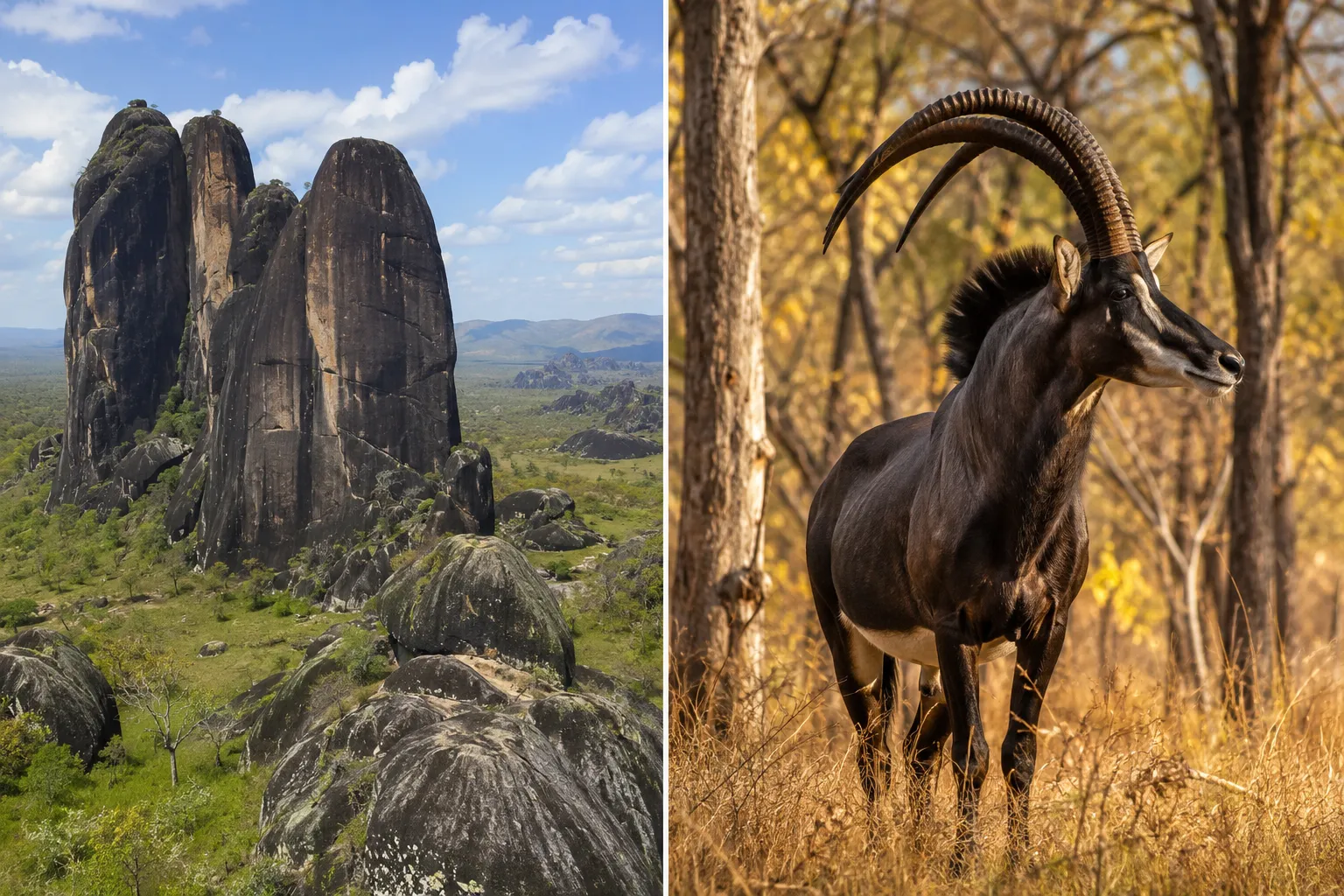
- Pedras Negras de Pungo Andongo (Black Rocks): Massive black monoliths rising out of the plain, roughly 115 km southwest of Malanje city. Cultural and geological significance, plus footprint legends of Queen Njinga.
- Cangandala National Park: One of the last refuges of the giant sable antelope (palanca negra gigante). Access is restricted and organized visits are limited. Read more on the palanca negra.
- Luando Reserve: Larger protected area, also home to sable populations. Very remote.
- Colonial-era churches and mission ruins in the town and surrounding villages.
- Local markets for cassava, palm oil, and regional crafts.
How Many Days Should I Spend in Malanje?
Two to three nights is the sweet spot for most travelers. That gives you one full day at Kalandula Falls, one day for Pungo Andongo, and time to travel in and out without rushing. If you want to attempt Cangandala National Park for the giant sable, add another 1 to 2 days and organize the visit in advance. Malanje slots well into a broader itinerary. See our 7-day Angola itinerary for a suggested route.
Is Malanje Safe for Tourists?
Malanje is generally considered safe for tourists during daylight travel, with the usual precautions for petty theft in urban areas. The province saw combat during the civil war (which ended in 2002), and some rural areas historically had landmine contamination, largely cleared but stay on marked paths and roads.
Check the current official travel advice from your government before departure. See also our overview on is Angola safe.
What’s the Difference Between Malanje and Luanda?
They’re opposites in almost every way. Luanda is the coastal capital: high-rise skyline, Atlantic beaches, expensive restaurants, traffic, oil-economy pace. Malanje is the rural interior: red-dirt roads, savanna, small colonial town center, and quick access to some of Angola’s greatest natural sights. Travelers typically fly into Luanda, spend a few days on the coast, then head inland to Malanje for nature. Compare via our Luanda travel guide.
What’s the Nearest Airport to Malanje?
Malanje has its own small airport (Malanje Airport), which occasionally handles domestic flights. Availability is limited and schedules shift. The main international gateway is Luanda’s new Dr. António Agostinho Neto International Airport (NBJ), from which most travelers continue overland or by train to Malanje. Verify current flight status with TAAG before booking.
How Much Does It Cost to Visit Kalandula Falls?
Costs are modest by international standards. Self-drive fuel costs from Malanje to the falls are estimated at roughly US $2 to $4 one way, based on current transport data.[2] Additional costs depend on your setup:
- Vehicle rental with driver: varies widely, negotiate locally
- Guide fees at the falls: small tip-based amount
- Overnight stay near the falls: basic pousada rates
- Organized tour from Malanje: significantly higher
There is no formal entry ticket at the falls at time of writing, but this can change. Confirm locally.
What Should I Pack for Malanje?
Pack for a mix of tropical humidity, dust, and the occasional cool morning in the interior.
- Lightweight, breathable clothing (long sleeves for mosquitoes at dusk)
- Sturdy walking shoes with grip (falls viewpoints get slippery)
- Rain jacket, especially in wet season
- Insect repellent with DEET
- Malaria prophylaxis (consult your travel doctor)
- Yellow fever vaccination certificate (usually required for Angola)
- Cash in Angolan kwanza (cards rarely accepted outside Luanda)
- Power bank and universal adapter (Type C/F plugs, 220V)
For medical prep, see Angola vaccinations and consult authoritative sources like the WHO or a specialized travel clinic.
Are There Guided Tours Available in Malanje?
Yes, but the market is small and informal. A handful of Luanda-based tour operators run scheduled Malanje/Kalandula itineraries, typically 3 to 5 days including transport, accommodation, and guiding. Booking with an operator is the easiest option if you don’t speak Portuguese or don’t want to drive. For independent travelers, hiring a driver-guide locally in Malanje is common and cheaper.
What Local Food Should I Try in Malanje?
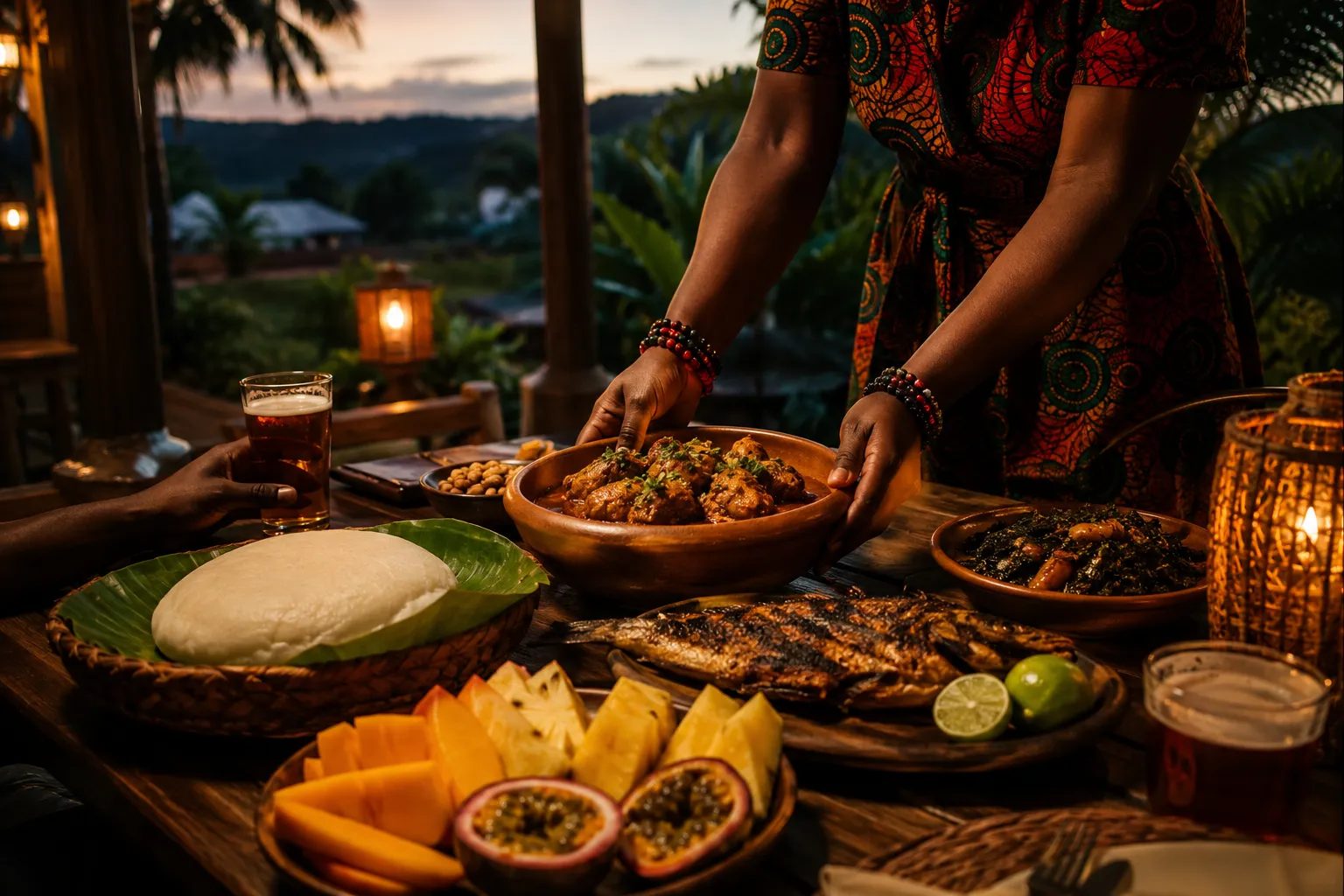
Malanje’s kitchen is classic interior Angolan: hearty, cassava-based, and slow-cooked. Try:
- Muamba de galinha: Angola’s national dish. Chicken stew with palm oil, okra, and chili
- Funge: cassava porridge, staple side dish
- Calulu: dried fish or meat stew with leafy greens
- Kizaca: mashed cassava leaves, often with peanut
- Fresh tropical fruit from local markets: mango, papaya, pineapple
Wash it down with local Cuca beer or fresh coconut water. For a deeper dive, see our guide to Angolan food.
Conclusion: Planning Your Malanje Trip
Malanje is one of Angola’s most rewarding inland destinations, and the natural base for seeing Kalandula Falls, Pungo Andongo, and the wildlife of Cangandala. Give yourself 2 to 3 nights, travel in the shoulder months (April to June for a balance of dramatic falls and manageable roads), and pair the trip with Luanda or a coastal stop in Benguela.
Next steps:
- Check current visa requirements for Angola
- Confirm your vaccinations with a travel doctor
- Book flights via TAAG or your carrier of choice
- Reserve accommodation in Malanje and, ideally, at Pousada Calandula
- Read our full travel to Angola planning guide
Free help from our team in Angola
Planning a trip to Malanje and Kalandula?
Tell us your dates. We arrange the drive from Luanda, a guide for Kalandula Falls and Pungo Andongo, and a place to stay near the falls.
- Local team in Angola
- No obligation, nothing to pay
- Reply by email or WhatsApp
Want to keep this guide? We email you the key points with a link to every section.
Frequently asked questions
Is Malanje worth visiting?
Yes, if you're interested in Angola beyond Luanda. Kalandula Falls alone justifies the trip, and Pungo Andongo plus Cangandala add real depth.
How far is Kalandula Falls from Malanje?
About 77 km (48 miles), roughly 1 hour 11 minutes by road.
Can I visit Kalandula Falls without a guide?
Yes. If you have a rental car and basic Portuguese (or Google Translate), self-driving from Malanje is straightforward on the main road.
Do I need a visa for Angola?
No, not for most tourists. Since a September 2023 decree, citizens of 98 countries, including the US, UK, most EU states and Brazil, can enter Angola visa-free for tourism for up to 30 days. Business, work or longer stays still need a visa. Always verify current rules with the official [Angola visa guide](/angola-visa/) and the SME e-visa portal.
Is malaria a concern in Malanje?
Yes. Malaria is present throughout Angola. Take prophylaxis and use repellent and mosquito nets.
What language do people speak in Malanje?
Portuguese is the official language. Local Bantu languages (especially Kimbundu) are widely spoken. English is rare outside Luanda tourism circles.