Quick Answer
Angola is the fastest-growing tourist destination in Africa and the fourth-fastest worldwide, with international arrivals up roughly 30% in 2025 and tourism revenues near USD 667 million. [2][4][8] You should visit now because the country is opening up (visa-free entry for U.S. tourists and citizens of nearly 100 countries), but it remains genuinely uncrowded, packed with Atlantic beaches, thundering waterfalls, desert-meets-ocean landscapes, and a Portuguese-African culture you cannot experience anywhere else. [3][6][13] It takes effort and it is not cheap, but that is exactly the point.
Key Takeaways
- Angola was the Official Host Country of ITB Berlin 2026 and is officially on Business Traveller’s 2026 hot list. [1][7][8]
- Visa access was dramatically liberalized by a September 2023 decree, giving citizens of 98 countries, including U.S. passport holders, 30-day visa-free entry for tourism. [3][6][13]
- Highlights include Kalandula Falls, Iona and Kissama national parks, Mussulo, Cabo Ledo, Lubango, and Mbanza Kongo (UNESCO).
- Best time to visit: the dry season, roughly May to October.
- Luanda consistently ranks among the world’s most expensive cities, so budget carefully.
- Portuguese is the official language, and English is rarely spoken outside major hotels.
- Safety requires informed planning: U.S. advisory sits at Level 2 (increased caution) as of March 2026. [3]
- 7 to 14 days is the sweet spot for a first trip; three weeks lets you combine north, coast, and desert south.
What is Angola known for?
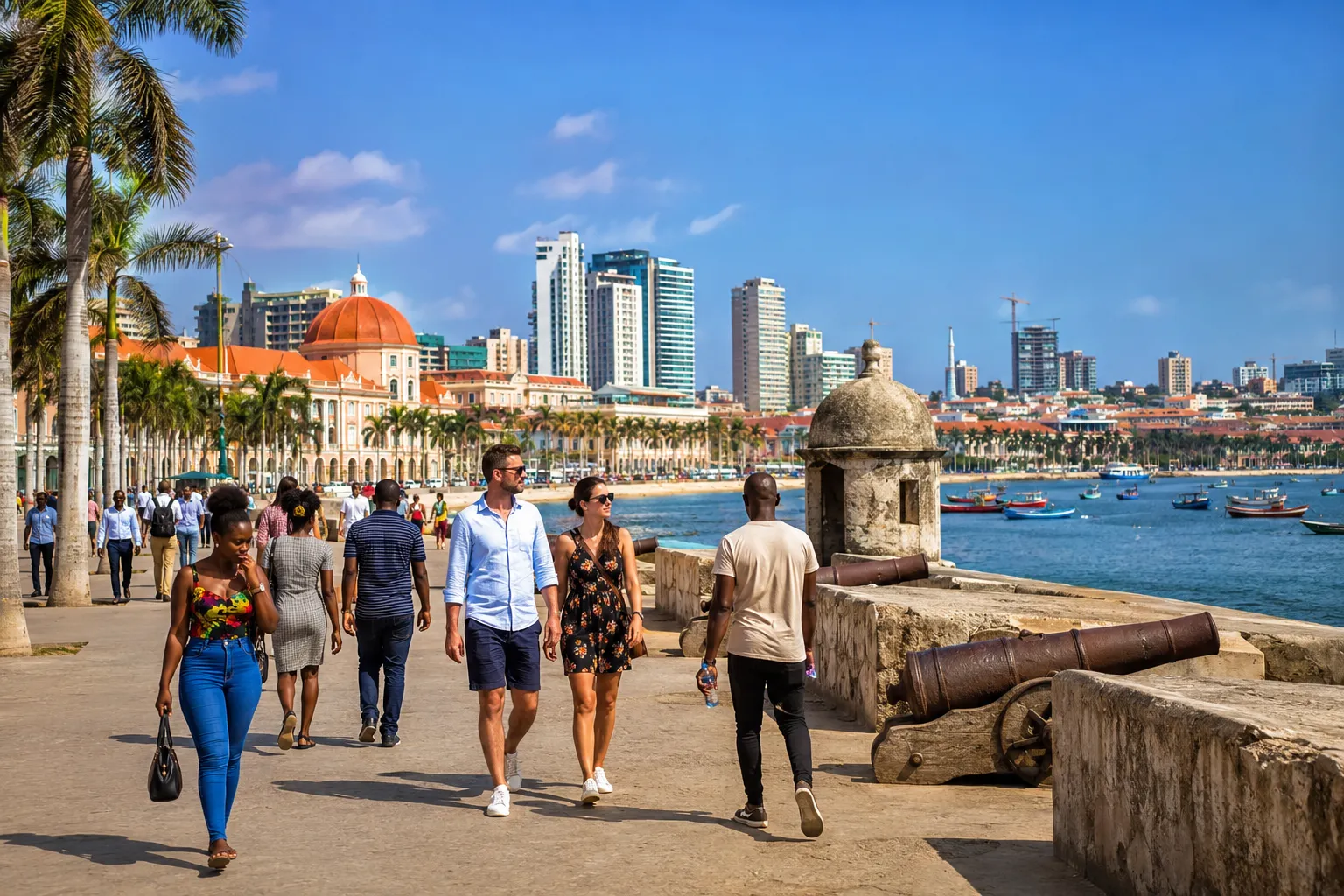
Angola is known for its 1,600 km Atlantic coastline, the mighty Kalandula Falls, its Portuguese colonial past, the giant sable antelope (its endemic national symbol), and being the birthplace of kizomba and semba music. It is also Africa’s second-largest oil producer and, since 2025, one of the continent’s most talked-about emerging destinations. [8][12]
The country is roughly twice the size of France, with a Sahara-red desert in the south, tropical rainforest in Cabinda, and a cooler highland plateau around Lubango. For a broader orientation, read our overview of the attractions in Angola.
Is Angola worth visiting in 2026?
Yes, and arguably more so than any other year so far. Angola served as Official Host Country of ITB Berlin (March 2 to 5, 2026), Business Traveller magazine named it a top destination for 2026, and the Global Tourism Forum awarded it “Best Tourism Investment Destination” for 2025. [1][7][8][9]
Under Angola Vision 2050 and the National Tourism Plan (PLANATUR), the government has committed close to 7 trillion AOA (about €8.23 billion) to develop tourism infrastructure, including a €449 million package for coastal zones like Cabo Ledo, Pipas Bay, and Tômbwa Bay. [12][13][14] Translation: visit before the roads, resorts, and crowds catch up.
12 reasons why visit Angola right now
1. It is a genuine frontier destination
Leisure tourism jumped from just 44,000 arrivals in 2024 to 52,072 in 2025. [2][5] For context, Cape Town alone gets more visitors in a single busy weekend. You will have entire beaches, waterfalls, and viewpoints to yourself.
2. Kalandula Falls
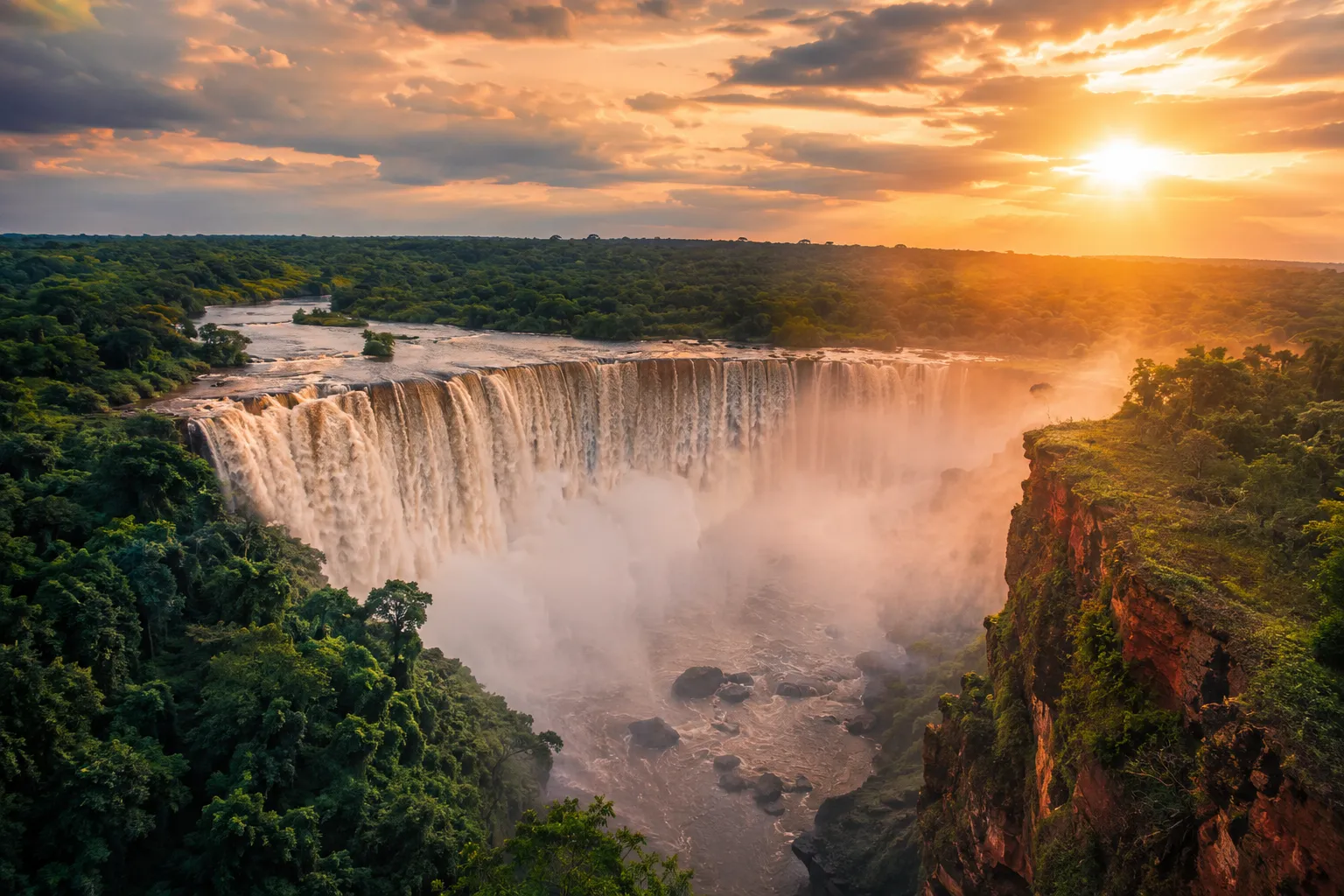
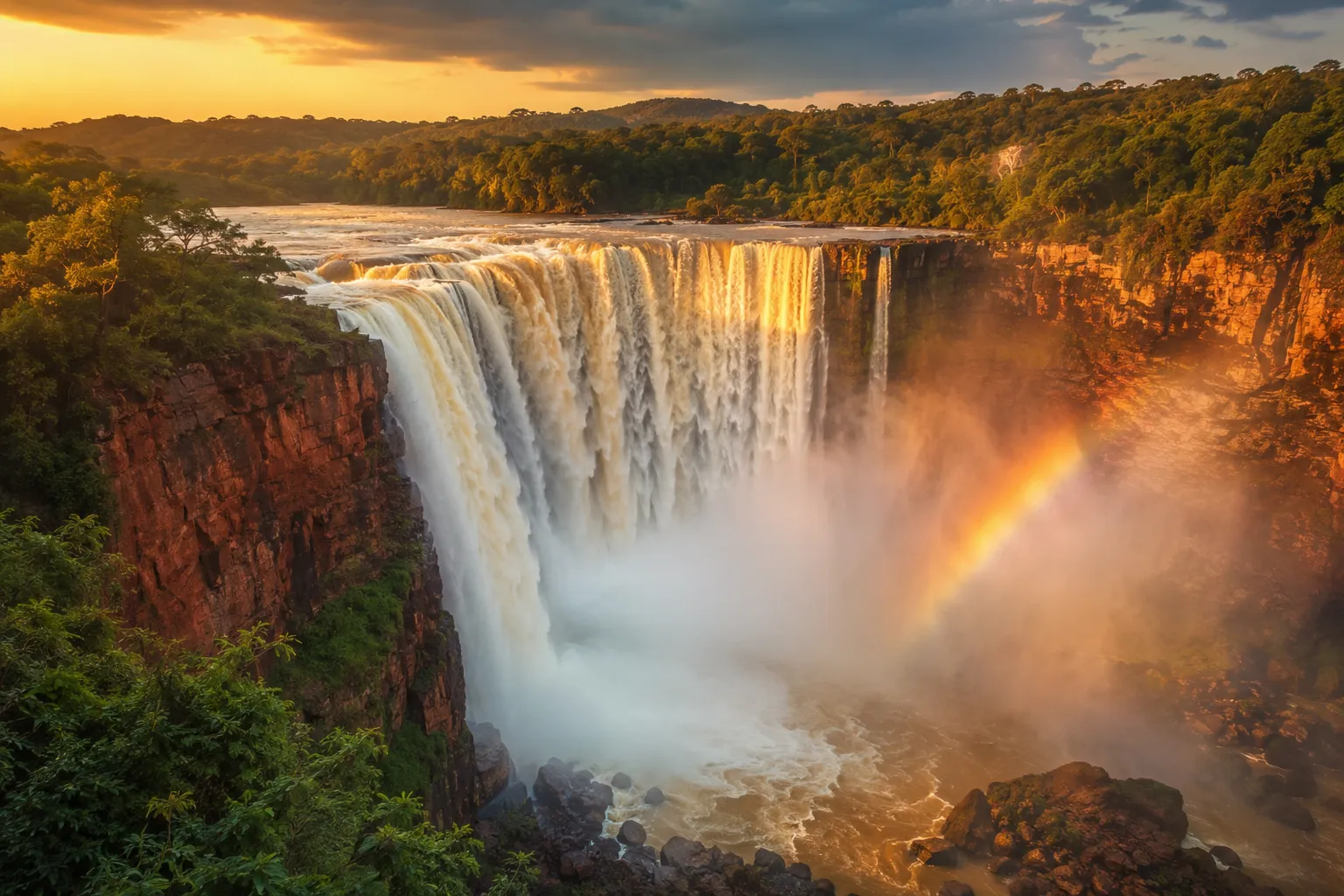
One of the largest waterfalls in Africa, 105 metres high and about 400 metres wide in the wet season. Nearby, the surreal Pedras Negras de Pungo Andongo rock formations are worth the detour. See our full guide to Kalandula Falls.
3. The desert south: Namibe and Iona National Park
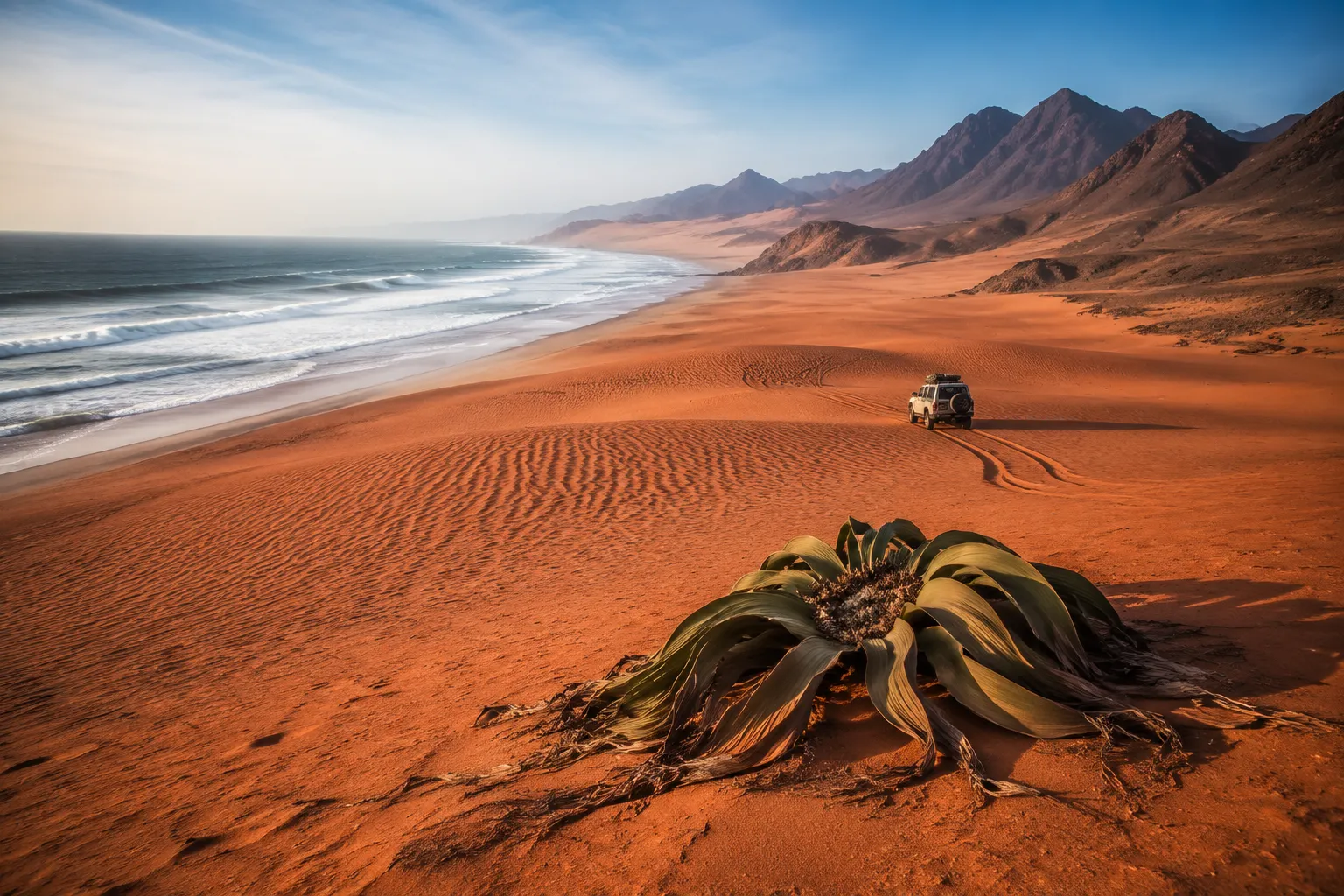
Iona is Angola’s largest national park, where the Namib Desert crashes into the cold Atlantic. Expect welwitschia plants over 1,000 years old, oryx, and a coastline shared with nothing but shipwrecks. It is one of the most cinematic landscapes on the continent.
4. Atlantic beaches: Mussulo and Cabo Ledo
Mussulo is a lagoon peninsula 30 minutes by boat from Luanda, with calm turquoise water and beach bars. Cabo Ledo, 120 km south, is a world-class left-hand surf break where you might share the lineup with three other people.
5. Kizomba and semba
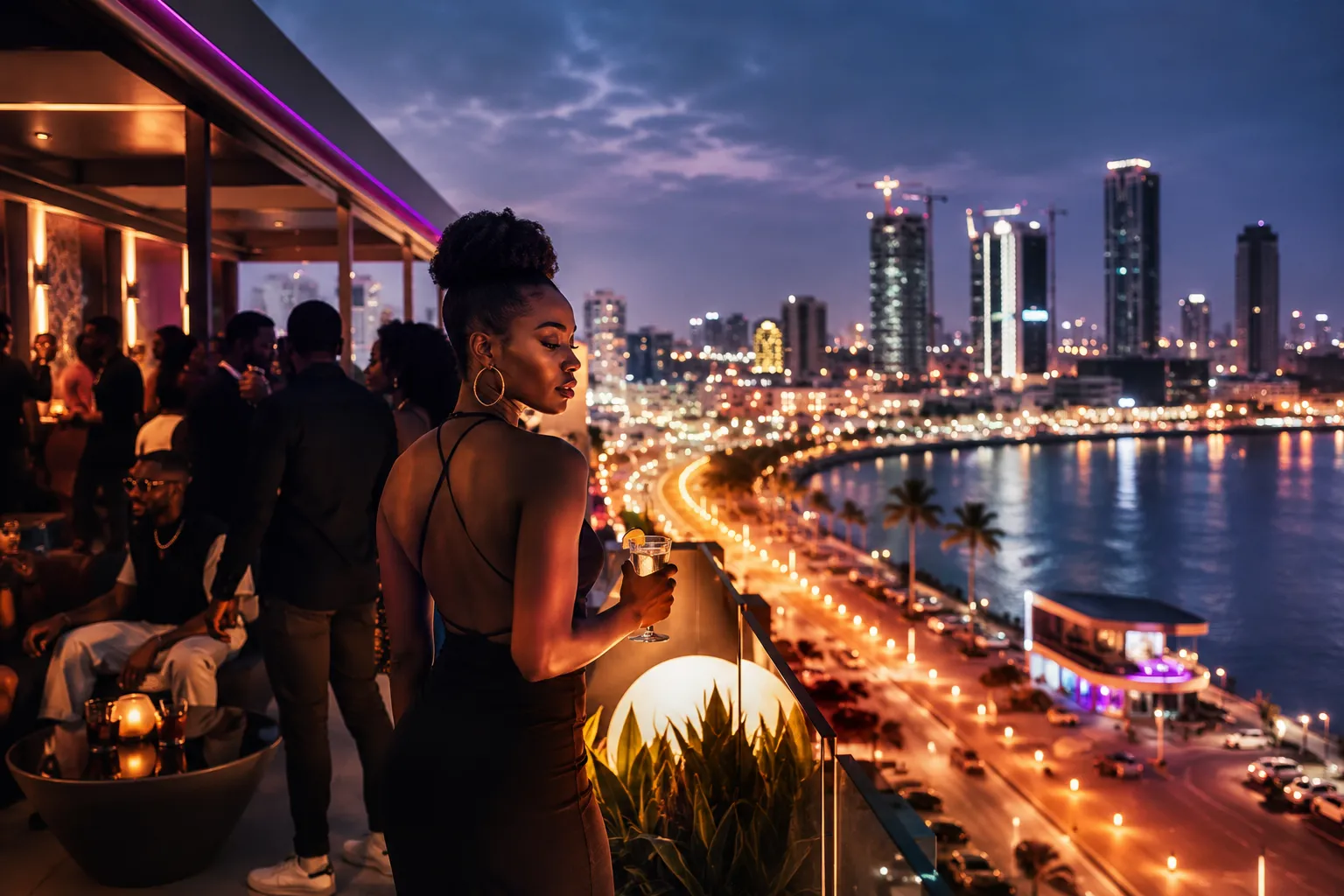
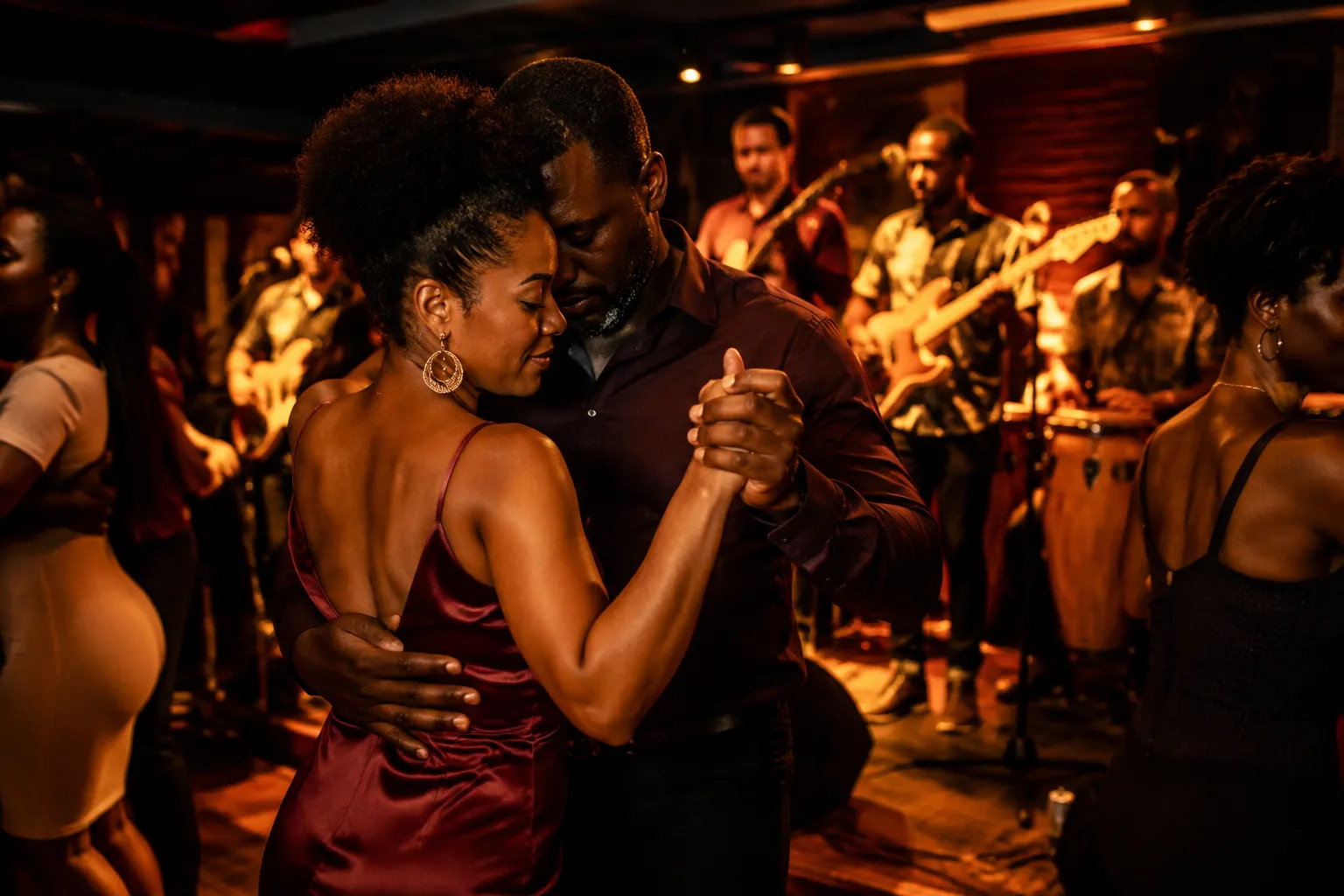
Angola invented these. Kizomba’s slow, close embrace has swept dance floors from Lisbon to Los Angeles, but experiencing it in a Luanda club, with live semba musicians warming up the crowd, is a different animal entirely. Learn more about the culture of Angola.
6. Deep, layered history
Mbanza Kongo, the former capital of the Kingdom of Kongo, is a UNESCO World Heritage Site. Luanda’s Fortaleza de São Miguel dates from 1576 and houses the National Museum of Military History. This is Africa’s oldest continuous European-contact history, and it is complicated, moving, and largely uncommercialized.
7. The giant sable antelope (Palanca Negra Gigante)
The world’s rarest large antelope is endemic to Angola and features on the national football team’s crest. Cangandala National Park and the Luando Reserve in Malanje offer rare chances to see it. Genuinely, nowhere else on Earth.
8. Fantastic seafood and a distinctive cuisine
Grilled lobster and prawns on the Ilha in Luanda, muamba de galinha (the national dish of chicken in palm oil), funge, calulu with dried fish, and Portuguese-influenced pastries. The Benguela coast delivers some of the freshest seafood in Africa. Our Angolan food guide has more.
9. Portuguese-African fusion culture
Colonial architecture in Luanda, Benguela, and Lobito. Portuguese language and Bantu languages spoken side by side. Fado influences meeting semba rhythms. It feels like Lisbon and Havana had a Bantu-speaking child.
10. Epic road trips and adventure
Serra da Leba mountain pass near Lubango, with its hairpin bends draped in mist. The Lobito Corridor rail line. 4x4 expeditions into Iona. This is a country that rewards travellers who like a bit of grit with their itinerary.
11. Warm, curious people
Angolans meet foreign tourists with genuine surprise and warmth. Because tourism is still so new, you are not just another wallet. A basic effort at Portuguese (“obrigado”, “bom dia”) goes a very long way.
12. It is opening up right now
Visa-free access for U.S. citizens (30 days) and near-100 countries with visa exemption or facilitation. [3][6][13] More flights via TAAG, Emirates, Lufthansa, and Ethiopian. New coastal infrastructure. The window between “hard to reach” and “everyone goes” is right now.
When is the best time to visit Angola?
The best time to visit Angola is the dry season, roughly May to October. Temperatures are milder, roads are passable, humidity drops, and wildlife viewing in Kissama and Iona is at its peak.
- May to July: cooler, dry, ideal for the south and highlands.
- August to October: dry and warmer, best for beaches and surfing at Cabo Ledo.
- November to April: wet season. Kalandula Falls is at its most dramatic, but rural roads become tough or impassable.
More detail in our best time to visit Angola guide.
How much does it cost to visit Angola?
Angola is not a budget destination. Luanda has consistently ranked among the world’s most expensive cities for expats, and that filters down to visitors.
Rough guidance (2026, verify locally):
| Item | Budget | Mid-range | High-end |
|---|---|---|---|
| Hotel per night (Luanda) | USD 80 to 120 | USD 150 to 250 | USD 300+ |
| Meal (mid-range restaurant) | USD 15 to 25 | USD 30 to 50 | USD 70+ |
| Domestic flight (TAAG) | USD 150 to 300 one-way | ||
| 4x4 with driver per day | USD 200 to 400 | ||
| Guided multi-day tour | USD 250 to 500 per day pp |
A realistic 10-day trip runs USD 3,000 to 6,000 per person excluding international flights. See money in Angola for currency practicalities.
Do I need a visa to visit Angola?
For many nationalities, no. Since Presidential Decree 189/23 of September 2023, Angola has offered visa-free tourist entry to citizens of 98 countries, and U.S. tourists get 30 days visa-free. [3][6][13] Many other passport holders generally qualify for visa-free tourist entry or a straightforward e-visa.
Always verify the current rules through the official Serviço de Migração e Estrangeiros e-visa portal before booking, and check your government travel advisory. Our Angola visa page has the latest.
Is Angola safe for tourists?
Angola is broadly safe for informed travellers, but requires common sense. The U.S. State Department issued a Level 2 advisory (“Exercise Increased Caution”) on March 5, 2026, citing violent street crime in Luanda, limited medical infrastructure, and residual landmines in some rural areas. [3] The UK advises against all but essential travel to Cabinda province outside Cabinda city.
Practical tips:
- Avoid walking with valuables at night in Luanda, especially in Ilha and downtown.
- Use registered taxis or hotel drivers.
- Stay on marked roads and tracks in rural areas.
- Register with your embassy for longer trips.
Read the full is Angola safe breakdown and always cross-check with your government’s travel advisory.
What are the top attractions in Angola?
- Luanda: Fortaleza de São Miguel, Marginal promenade, Ilha do Cabo. See our Luanda guide.
- Kalandula Falls and Pedras Negras, Malanje.
- Kissama National Park: the easiest safari from Luanda.
- Iona National Park: Namibe desert-meets-ocean.
- Lubango: Cristo Rei, Serra da Leba, Tundavala gorge.
- Miradouro da Lua: “moonscape” viewpoint 40 km south of Luanda.
- Mbanza Kongo: UNESCO-listed former capital of the Kongo Kingdom.
- Benguela and Lobito: colonial coastal cities with the historic Benguela Railway.
Our full list of Angola attractions has more.
How many days should I spend in Angola?
Minimum 7 days for Luanda plus one region. 10 to 14 days is the sweet spot: Luanda, Kalandula, Kissama, and either Lubango or Benguela. 3 weeks lets you add the desert south (Namibe and Iona) or the UNESCO north (Mbanza Kongo). A weekend does not do it justice, given how spread out the highlights are.
How do you get around in Angola?
Distances are huge and road conditions vary. Your realistic options:
- Domestic flights: TAAG connects Luanda with Lubango, Benguela, Namibe, Cabinda, and others. Book early.
- 4x4 with driver: by far the most flexible for regional trips, especially to Kalandula, Iona, or Serra da Leba.
- Long-distance buses: cheap, slow, and only recommended for the confident.
- Rental car self-drive: possible but challenging. Not for a first visit.
- Taxis and ride-hail: Yango operates in Luanda and is generally reliable.
What language do they speak in Angola?
Portuguese is the official language, spoken by roughly 70% of the population. Bantu languages (Umbundu, Kimbundu, Kikongo, Chokwe) are widely spoken regionally. English is rare outside international hotels and tour operators. Even 20 phrases of Portuguese will transform your trip. Our Angola language guide has a starter list.
Where to stay in Angola
- Luanda: international-standard options like Epic Sana, Intercontinental Miramar, and boutique choices on the Ilha.
- Mussulo: beachfront lodges, weekend favourite of Luandans.
- Cabo Ledo: surf lodges like Carpe Diem.
- Lubango: Grande Hotel da Huíla, guesthouses.
- Namibe: basic but comfortable hotels; camping in Iona with organized tours.
What should I pack for Angola?
- Lightweight, breathable clothing (long sleeves for evenings and mosquitoes)
- Sturdy walking shoes and sandals
- Sun protection: high SPF, hat, sunglasses
- DEET insect repellent (malaria is present nationwide)
- Reef-safe sunscreen for the coast
- Universal adapter (Type C and F, 220V)
- Cash (USD or EUR to exchange; card acceptance is patchy)
- Copies of passport, visa, and yellow fever certificate
- Modest layers for cooler highland evenings around Lubango
Vaccinations and health
Yellow fever vaccination is generally required for entry. Malaria is present throughout the country; prophylaxis is strongly recommended. Do not drink tap water. Consult a travel health clinic or your GP at least 6 weeks before travel. See our Angola vaccinations and health overview.
Common mistakes tourists make in Angola
- Assuming English works. Learn basic Portuguese.
- Under-budgeting. Luanda is genuinely expensive.
- Trying to cover too much. Distances are punishing.
- Ignoring the rainy season for rural travel. Roads to Kalandula and Iona can become impassable.
- Skipping travel insurance. Medical evacuation coverage is essential.
- Not carrying cash. Card networks fail regularly outside major hotels.
- Wandering Cabinda casually. Follow current advisories closely.
How is Angola different from other African destinations?
Angola is Lusophone (Portuguese-speaking), not Anglophone or Francophone, which shapes everything from architecture to music to food. It is less developed for tourism than Kenya, South Africa, or Namibia, so you trade convenience for authenticity. There are no game-drive convoys and no souvenir markets tailored to tour buses. Instead, expect a country where you are often the only foreigner in the room.
Conclusion
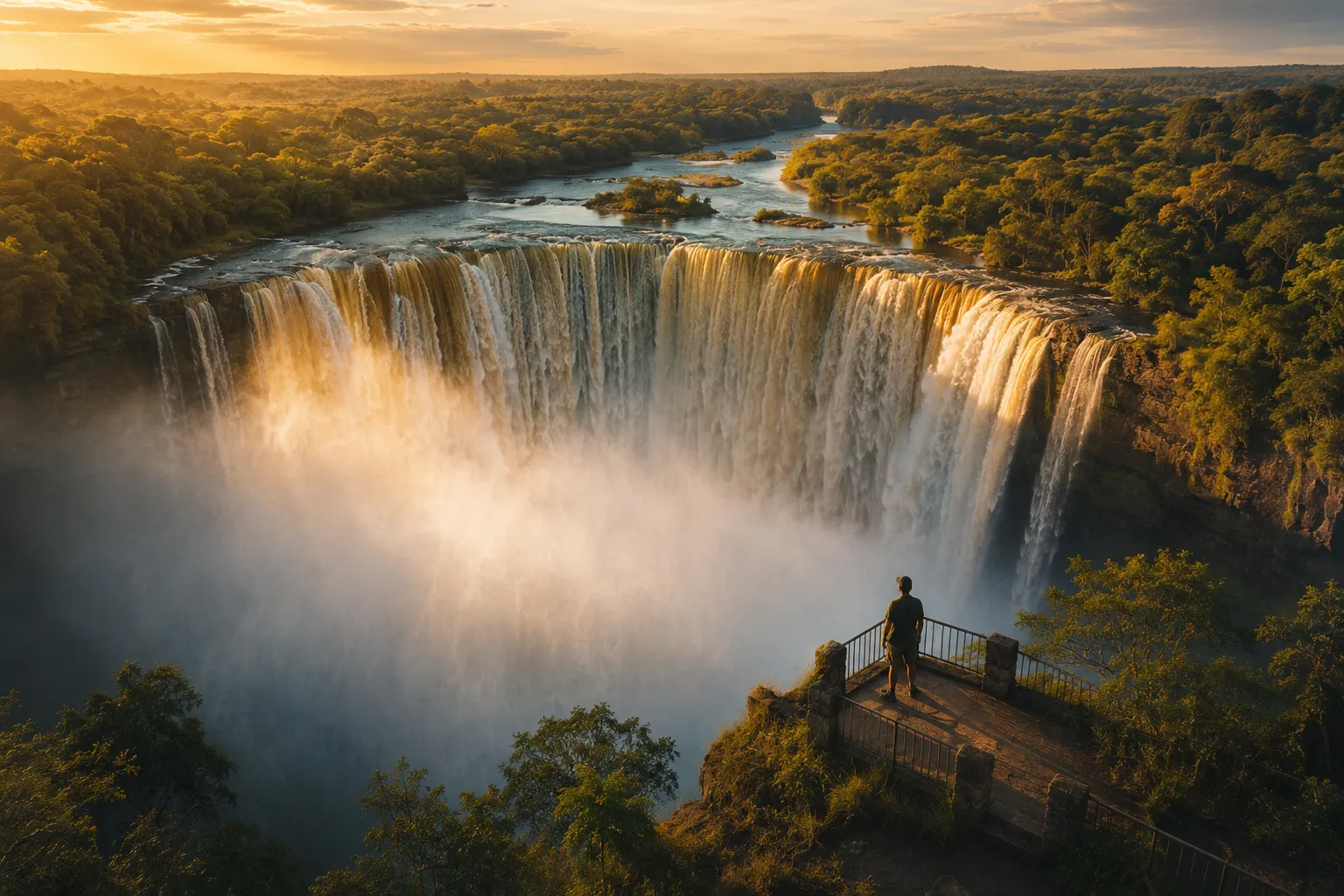
Angola in 2026 is that rare thing: a beautiful, culturally rich, genuinely uncrowded country that has just made itself dramatically easier to enter. Yes, it costs more than Kenya or Morocco. Yes, you need Portuguese phrases and a decent guide. But you will stand at Kalandula Falls without another tourist in sight, dance kizomba where it was invented, and drive from red desert to Atlantic surf in a single afternoon.
Your next steps:
- Check your visa status via the official SME e-visa portal and our Angola visa page.
- Verify vaccinations with a travel clinic at least 6 weeks out.
- Pick your window in the dry season (May to October).
- Read our Angola attractions guide for more inspiration.
- Book flights via TAAG or a partner airline, and confirm accommodation early.
Go now, while it still feels like a discovery.
Free help from our team in Angola
Ready to see Angola for yourself?
Tell us what caught your eye and how much time you have. We plan a trip that fits, with transport, guides from our own team and hotels.
- Local team in Angola
- No obligation, nothing to pay
- Reply by email or WhatsApp
Want to keep this guide? We email you the key points with a link to every section.
Frequently asked questions
Is Angola cheap to visit?
No. Luanda is one of the world's most expensive cities. Budget USD 300 to 500 per person per day for a mid-range trip.
Is Angola safe for solo female travellers?
Broadly yes with sensible precautions: registered transport, no walking alone at night, conservative dress in rural areas. Book guided tours for remote regions.
Do I need yellow fever vaccination for Angola?
Generally yes. Verify with your travel clinic and carry the certificate.
Can I use euros or US dollars in Angola?
No, the local currency (kwanza, AOA) is required for most transactions. Exchange at banks or official bureaus. Cards are unreliable outside big hotels.
Is Cabinda safe to visit?
The UK and several other governments advise against all but essential travel to Cabinda province outside Cabinda city. Check current advisories.
When did Angola open up to tourists?
Serious liberalization began around 2018 with the introduction of e-visas. The major shift was Presidential Decree 189/23 of 29 September 2023, which made tourists from 98 countries, including the United States, visa-exempt for stays of up to 30 days.
References
- [1] Untouched Wild Welcoming Angola's Hidden Tourism Gem
- [2] AllAfrica: Angola Tourism 2025 Growth
- [3] State Department Issues Level 2 Travel Advisory For Angola
- [5] Angola Leisure Tourism Increase 2025
- [6] YouTube: Angola Visa-Free Update
- [7] Business Traveller Names Angola A Destination To Visit
- [8] Angola Tourism Rises Berlin
- [9] Angola Approves €449m For Coastal Tourism Infrastructure
- [10] Angola: What The Country Hopes To Achieve With Its Tourism Ambitions
- [12] Table.media Angola Tourism Feature
- [13] Washington Informer: Angola Tourism Rises Berlin