Luanda turns 450 years old in 2026, and the city is throwing itself a proper party. Book fairs on the bay, heritage catalogues, sports cups, poetry nights at the Portuguese Cultural Centre and a full Carnival parade along the Marginal in mid-February all crowd the calendar [1][5]. If you have ever hesitated about visiting Angola’s capital, this is the year the doors are wide open.
Quick Answer: What Are the Best Things to Do in Luanda?
The best things to do in Luanda are walking the Marginal promenade at sunset, visiting Fortaleza de São Miguel and the National Museum of Slavery, spending a day on Ilha do Cabo for beaches and nightlife, browsing artisan markets, and taking day trips to Mussulo Island, Miradouro da Lua and Quiçama National Park [3][6][7]. Give the city three to four days to combine culture, coast and at least one excursion.
Key Takeaways
- Luanda is Angola’s Atlantic-facing capital and the natural entry point for most international travellers.
- Three to four full days lets you combine downtown sights, Ilha do Cabo and one day trip.
- Fortaleza de São Miguel, the National Museum of Slavery and the Iron Palace are the anchor cultural sites [3][6][12].
- Ilha do Cabo is the main hub for both daytime beaches and nightlife, busiest Thursday to Saturday [20][22].
- Popular day trips include Mussulo, Miradouro da Lua and Quiçama National Park [4][6].
- 2026 adds a bonus: the 450 Years of Luanda programme and Carnival on 14 to 17 February [1][5].
- Luanda is expensive by African standards, so budget carefully and book accommodation early.
- Verify visa, vaccination and safety information with official sources close to your travel date.
What Are the Top Attractions in Luanda?
The top things to do in Luanda cluster around the bay: the Marginal promenade, Fortaleza de São Miguel, the Iron Palace, Praça da Independência and the National Museum of Slavery just south of the city [2][3][6]. Most sit within a walkable downtown zone, which makes half-day sightseeing loops realistic.
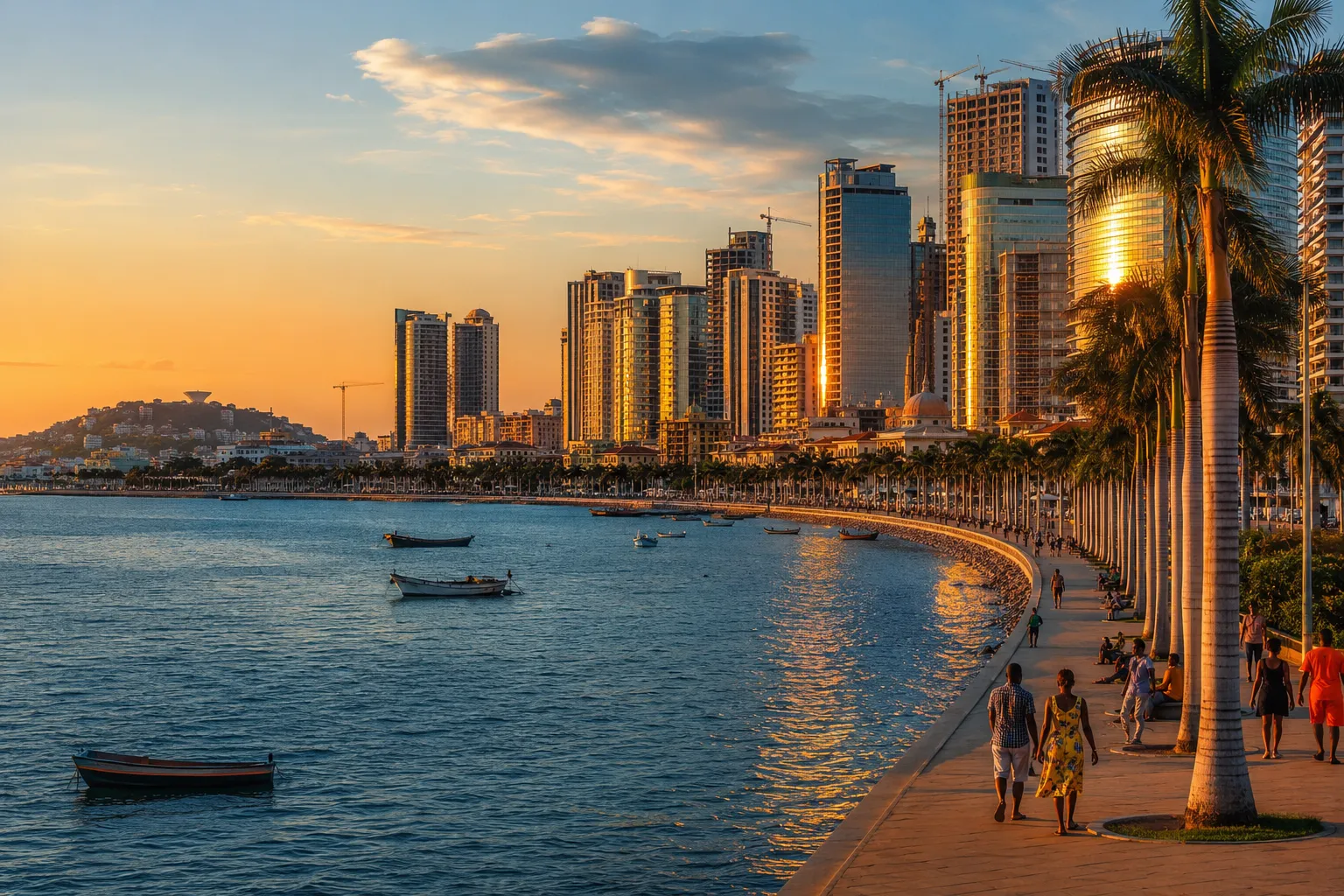
The Marginal (Avenida 4 de Fevereiro). A curved seafront promenade with skyline views, joggers at dawn, families at sunset and street vendors selling grilled corn. It is free, safe by Luanda standards during daylight and the single easiest introduction to the city [3][6][7]. In February 2026, this same avenue hosts the Carnival parade [5].
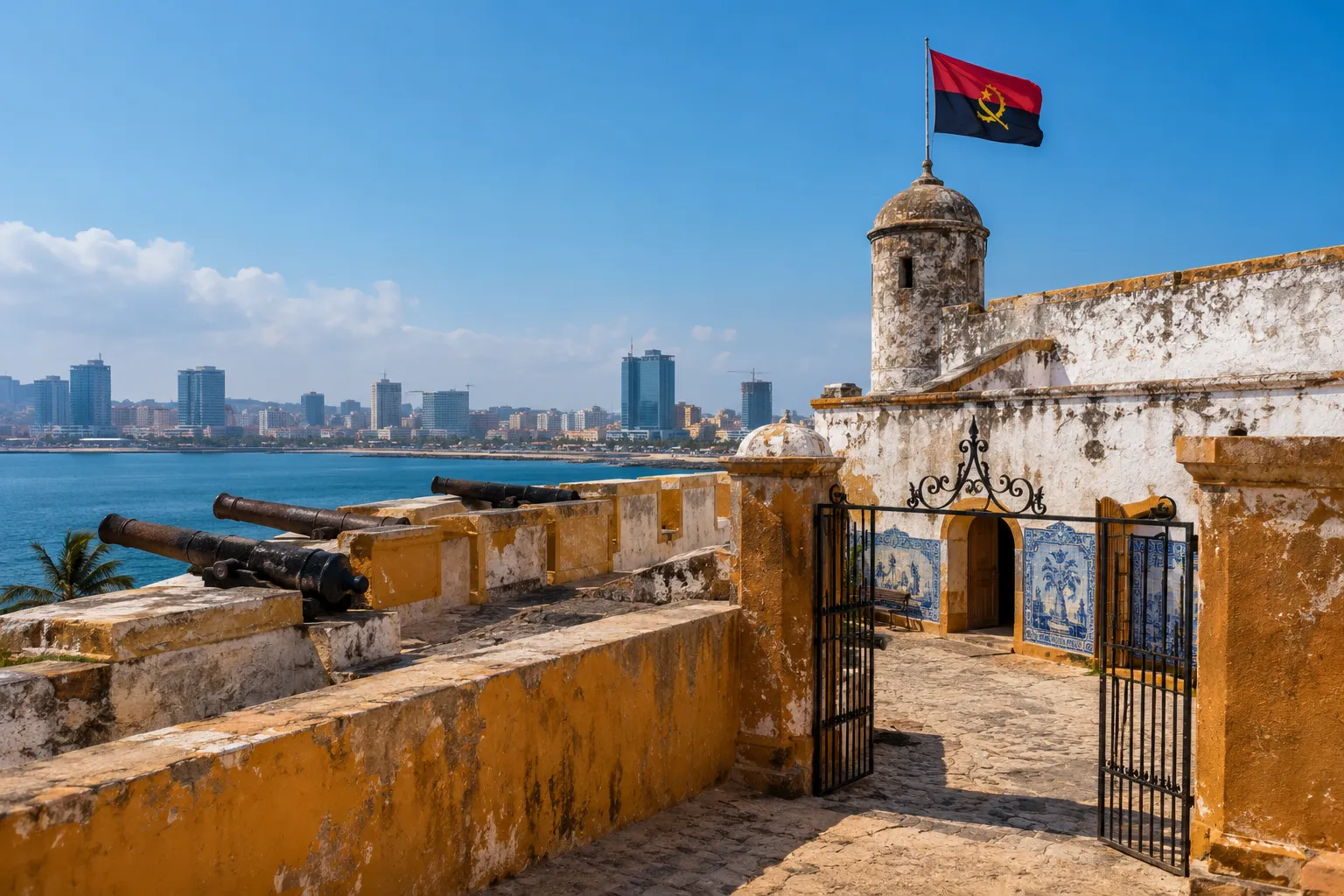
Fortaleza de São Miguel. A 16th-century Portuguese fort on the headland above the bay, home to the Armed Forces Museum. Expect cannons, azulejo tile panels, exhibits on the independence struggle and panoramic views. Opening hours are typically 08:30 to 17:30, Wednesday through Sunday [3][17]. Pair it with lunch on Ilha afterwards.
Palácio de Ferro (Iron Palace). A striking iron structure attributed to the Gustave Eiffel workshop, now a cultural space in the city centre [2][6].
Praça da Independência and Agostinho Neto Mausoleum. The rocket-shaped mausoleum honouring Angola’s first president is one of Luanda’s most recognisable modern landmarks and a useful stop for understanding post-1975 history [6][7].
For a deeper look at the capital and where it fits in a wider trip, our guide to Luanda as a destination sets the scene, and the pillar on things to do in Angola puts these sights in national context.
Luanda Museums and Cultural Sites
Luanda’s museums are compact, affordable and heavy on meaning. The National Museum of Slavery (Museu Nacional da Escravatura), set in a former chapel where enslaved Africans were baptised before being shipped across the Atlantic, is the emotional heart of the city’s cultural offer [6][7][9]. Allow one to two hours and prepare for a sobering visit.
Other worthwhile stops:
- Museu da Moeda (Money Museum). Elegant modern space tracing Angola’s monetary history; also hosts events during the 450 Years of Luanda programme [1].
- National Museum of Anthropology. Ethnographic collections from across Angola’s regions and peoples [6][12].
- Church of Our Lady of Remedies. Small colonial-era church near the bay, still active [6].
- Centro Cultural Português. Rotating exhibitions, workshops and literary nights; the January 2026 programme includes an Álvaro Macieira exhibition and a “Luanda in verses” poetry evening [10].
Decision rule: If you have only one museum morning, choose the National Museum of Slavery. If you have two, add the Money Museum for context on modern Angola.
Best Beaches Near Luanda
The best beaches near Luanda are on Ilha do Cabo (also called Ilha de Luanda) and on the Mussulo peninsula just south of the city [6][20][22]. Both are reachable within an hour and each has a distinct feel.
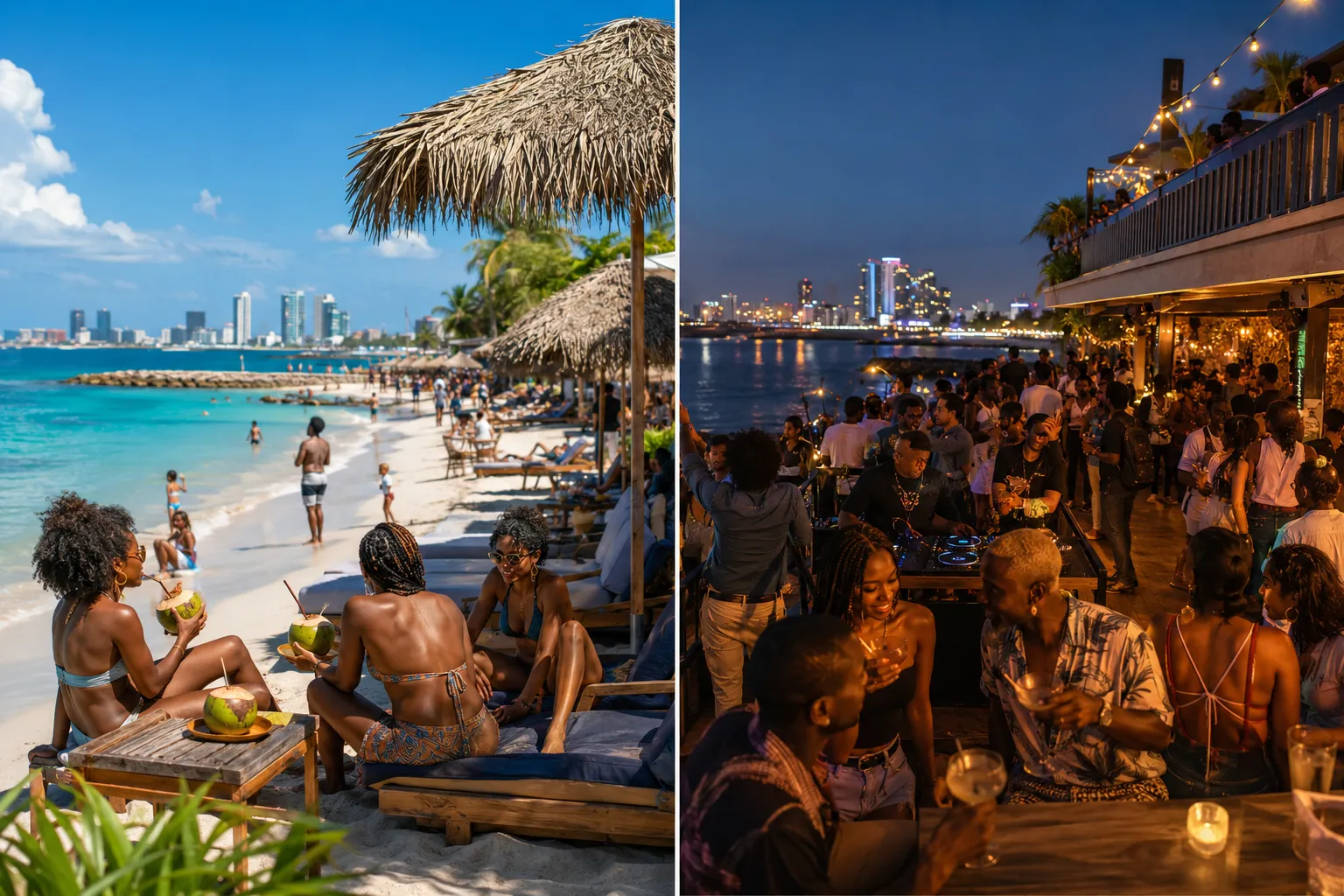
Ilha do Cabo. A long sandy spit connected to the city by causeway, lined with beach clubs, seafood restaurants and lounge bars. It is the default weekend beach for Luandans, busiest on Fridays and Saturdays [20][22][23]. Sun loungers and umbrellas are usually rented through a beach club with a food and drink minimum.
Mussulo. A larger island-lagoon system reached by boat, quieter than Ilha, with calmer water and higher-end resorts. Perfect for a full-day escape. See our dedicated guide to Mussulo for boat logistics and where to stay.
Cabo Ledo. About 120 km south, a laid-back surf beach worth an overnight if you have time.
For a wider look at the country’s coast, our Angola beaches overview covers Benguela and Namibe too.
Where to Eat in Luanda
Luanda eats seafood, grilled meat and Portuguese-Angolan comfort food, and it takes its long lunches seriously. Head to Ilha do Cabo for beachfront seafood, and to the Marginal and Miramar neighbourhoods for skyline views and upscale dining [6][22].
Dishes to order at least once:
- Muamba de galinha. The national dish: chicken stewed with palm oil, okra and garlic.
- Calulu. Dried fish and vegetables in a rich sauce, served with funge (cassava porridge).
- Grilled fish and prawns. Ilha specialities, usually served with rice and beans.
- Kizaca. Cassava-leaf stew, often with peanuts.
For a broader tour of local flavours, see our piece on Angolan food.
Practical tips. Restaurants in Luanda are expensive by regional standards. A main course at a good Ilha seafood place easily lands in the 30 to 60 USD range. Card acceptance is patchy outside big hotels and top restaurants; carry kwanza. Reserve for weekend evenings.
Luanda Nightlife and Bars
Luanda’s nightlife is concentrated on Ilha do Cabo and in inland districts like Maianga, with rooftop lounges, live semba and kizomba, and clubs that only get going after midnight [18][20][22]. Thursday through Saturday are the strong nights.
What to expect:
- Beers around 3 to 5 USD, cocktails 8 to 15 USD at Ilha bars [20][22].
- Clubs often free or low entry, peaking 01:00 to 05:00 [22][23].
- Dress smart-casual; many venues turn away shorts and flip-flops.
- Book a car back to your hotel in advance, or use a trusted driver.
Common mistake: Arriving at 22:00 expecting a crowd. Locals eat late and go out later.
How Many Days Should I Spend in Luanda?
Three full days is the sweet spot for most first-time visitors. Day one for the Marginal, Fortaleza de São Miguel and downtown museums; day two for Ilha do Cabo beaches and nightlife; day three for a day trip such as Mussulo or Miradouro da Lua [6][7]. Add a fourth day if you want Quiçama National Park.
If you are combining Luanda with the rest of the country, see our sample Angola itinerary and the practical travel to Angola guide.
Is Luanda Safe for Tourists?
Luanda is generally manageable for tourists who take normal big-city precautions, but petty crime (pickpocketing, phone snatching, car break-ins) does happen, especially in crowded areas and after dark. Cabinda province has separate, stricter travel advisories. Always check the latest guidance from your own government before travelling.
Sensible habits:
- Use hotel or app-based transport at night, not street taxis you do not know.
- Leave passports in the hotel safe; carry a photocopy.
- Keep phones out of sight on the Marginal and in markets.
- Avoid unlit streets late at night.
For more detail see our dedicated article is Angola safe, and always cross-check with your government’s official travel advisory close to your departure date.
Luanda Day Trips and Excursions
Luanda works brilliantly as a base for day trips. The three most popular are Mussulo, Miradouro da Lua and Quiçama National Park [4][6][12].
Mussulo Island. Boat transfer from the marina, calm lagoon water, seafood lunches, jet-ski and kayak rentals. Half or full day.
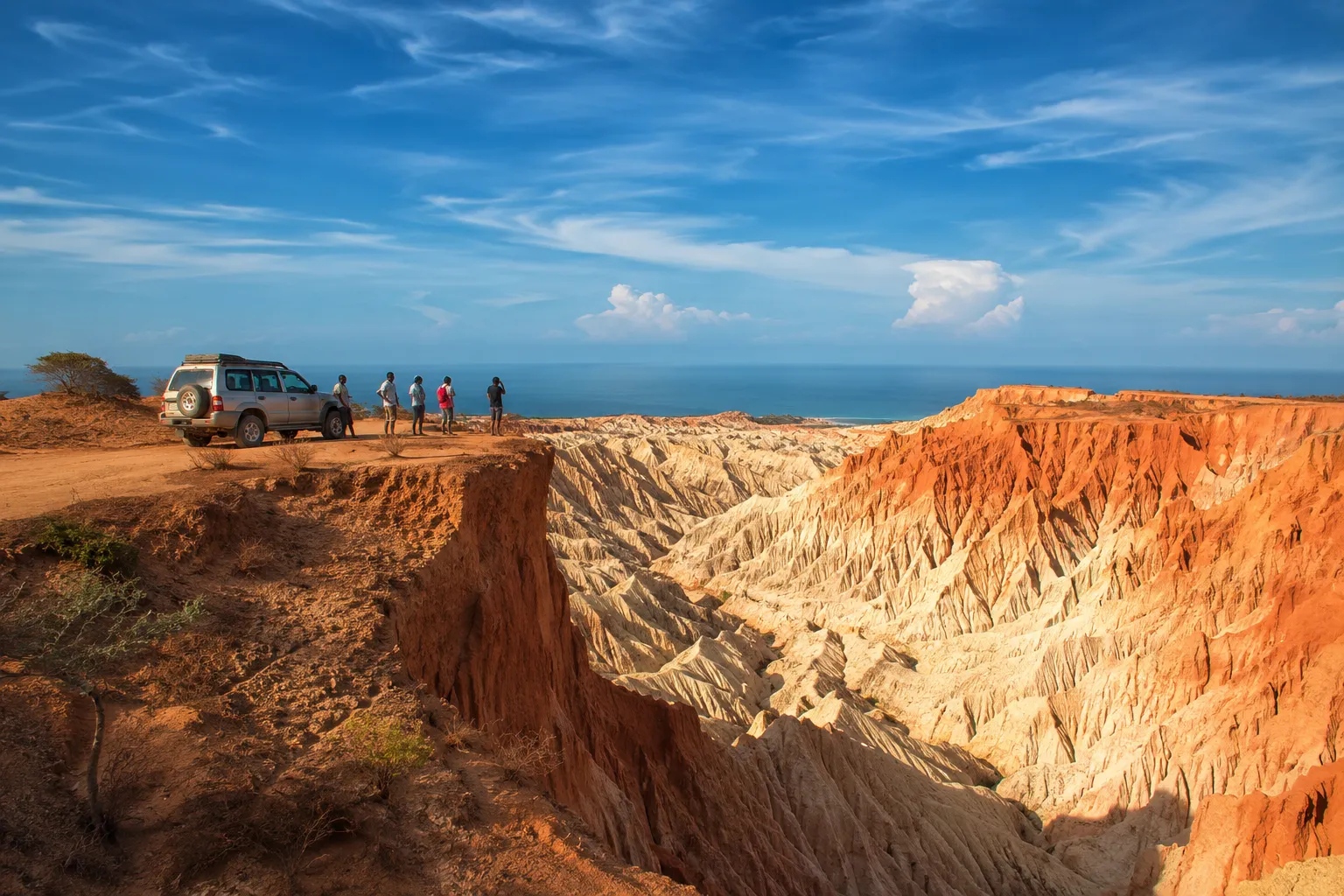
Miradouro da Lua. The “moon viewpoint,” a wind-eroded canyon of pale sandstone about an hour south along the coast road towards Cabo Ledo. Best light is late afternoon [6].
Quiçama (Kissama) National Park. Around 1.5 hours south of Luanda; savanna landscape, elephants, antelope and buffalo reintroduced through Operação Arca de Noé in the early 2000s [6][12]. See our guide to Kissama National Park for practical tips.
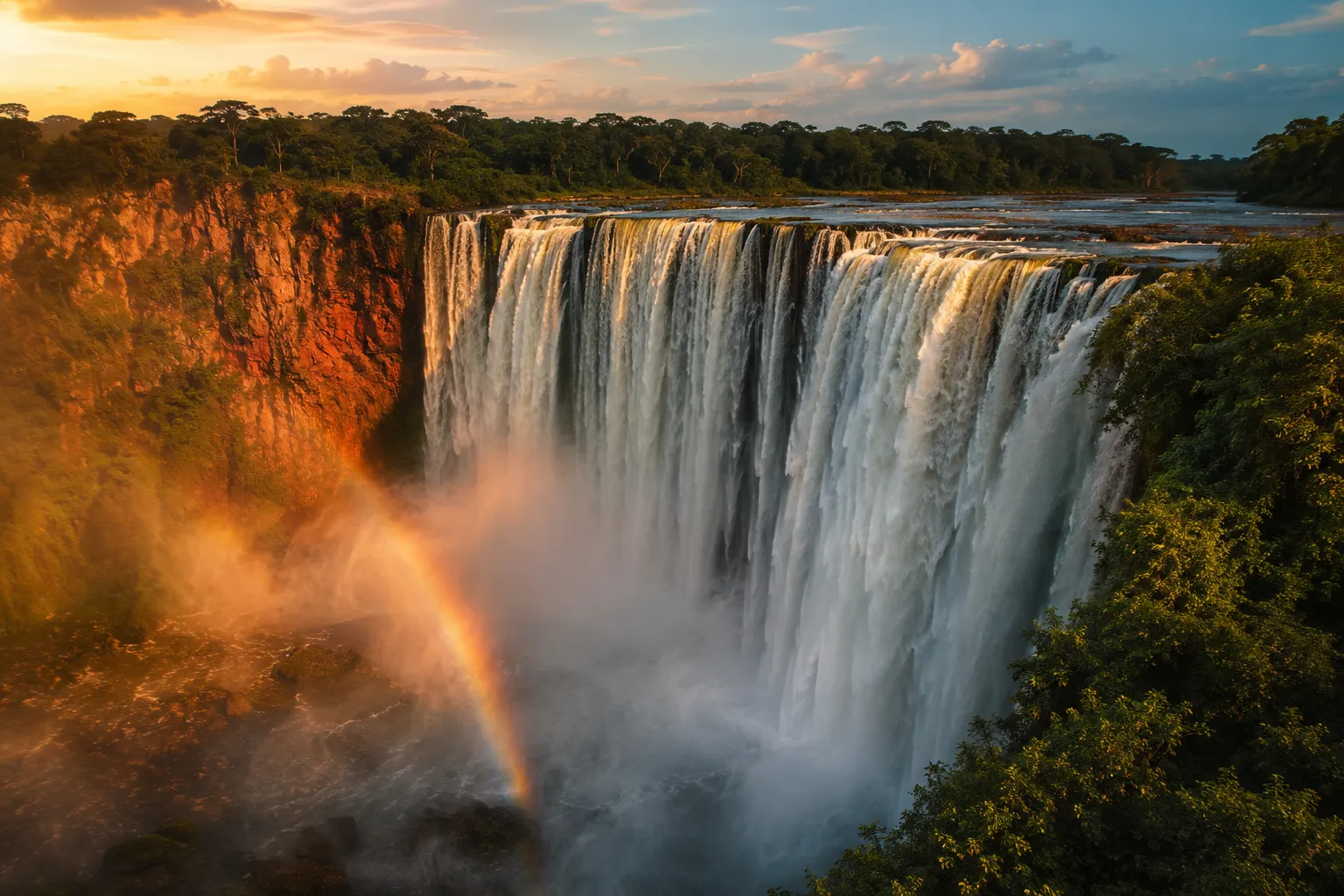
Longer excursions. With two extra days you can fly to Malanje for Kalandula Falls or head south to Benguela and Lubango.
Best Time to Visit Luanda
The best time to visit Luanda is the dry, cooler season from May to October, when humidity drops, rain is minimal and outdoor days on the Marginal or at the beach are reliable. February to April brings warm sea temperatures but also the heaviest rains and higher humidity. If you want Carnival, aim for mid-February 2026 (Shrove Tuesday falls on 17 February 2026, with parades and street parties in the days around it) [5][8].
For a full seasonal breakdown, see best time to visit Angola.
Luanda Budget vs Luxury Activities
Luanda is famous for being expensive for expats, but budget-conscious travellers can still enjoy the city.
| Experience | Budget option | Luxury option |
|---|---|---|
| Sightseeing | Marginal walk, fortress entry | Private guided city tour |
| Beach | Public stretch of Ilha | Mussulo resort day pass |
| Food | Local canteen, muamba lunch | Marginal seafront fine dining |
| Nightlife | Free-entry Ilha bar, one cocktail | Rooftop club with table |
What’s the Cost of Things to Do in Luanda?
Most museum entries in Luanda are inexpensive by international standards (a few USD equivalent in kwanza), while beach clubs, restaurants and organised day trips are where costs rise. Expect roughly 3 to 5 USD for a beer, 8 to 15 USD for cocktails, 30 to 60 USD for a good restaurant main and 80 to 200 USD per person for a full-day guided excursion depending on the destination and group size [20][22]. Verify current prices locally.
For currency and cash tips, see money in Angola.
Luanda With Kids: What to Do
Families do well in Luanda if they lean into beaches and open-air time. Ilha do Cabo has family-friendly beach clubs with shaded loungers and shallow water; Mussulo is even calmer. Quiçama National Park is a hit with older kids who can handle a full day in a vehicle. Museums are short enough not to overwhelm younger visitors, and the Marginal is stroller-friendly.
Luanda for First Time Visitors
If it is your first trip, keep the itinerary simple. Base yourself in a hotel near the Marginal or Miramar, do downtown sights on day one, Ilha on day two, and one day trip on day three. Do not try to see everything; Luanda rewards a slower pace and long lunches. Book airport pickup in advance, download offline maps, and carry cash.
For flights, TAAG Angola Airlines connects Luanda with Lisbon, Brussels, São Paulo and several African hubs. See flights to Angola for route notes.
How to Get Around Luanda
Traffic in Luanda is notorious. The safest and easiest way to get around as a visitor is by pre-booked car with driver, hotel transfers or ride-hailing apps where available. Yellow-and-white candongueiro minibuses are cheap but not recommended for first-time visitors due to crowding and language barriers. Walking works within downtown and along the Marginal by day but is not advised at night. Allow generous buffer times between appointments, especially at rush hour.
Conclusion: Planning Your Luanda Trip
Luanda in 2026 is a city with momentum: a 450-year anniversary, a busy cultural calendar, an easier visa regime than a decade ago, and enough coast, history and food to fill a satisfying long weekend. Anchor your trip around the Marginal, the fortress, one museum, one beach day on Ilha and one day trip, and you will leave with a real sense of the place.
Next steps:
- Check current visa rules on the official Angolan e-visa portal and verify vaccinations (yellow fever is typically required; malaria prophylaxis is advised).
- Read our travel to Angola planning guide.
- Decide which day trip suits you best: Mussulo, Miradouro da Lua or Kissama National Park.
- Book flights and accommodation early, especially around Carnival week (14 to 17 February 2026) [5].
Free help from our team in Angola
Want to see Luanda with a local?
Traffic and distances make Luanda hard to explore on your own. Tell us what you want to see and a guide or driver from our own team plans the day with you.
- Local team in Angola
- No obligation, nothing to pay
- Reply by email or WhatsApp
Want to keep this guide? We email you the key points with a link to every section.
Frequently asked questions
Do I need a visa to visit Luanda?
Many nationalities, including EU citizens, now enjoy visa-free short stays or a simple e-visa. Rules change; verify with the official Serviço de Migração e Estrangeiros or e-visa portal before booking. See [Angola visa](/angola-visa/).
Is English spoken in Luanda?
Portuguese is the official language. English is spoken in top hotels and by tour guides but not widely elsewhere. Learn a few Portuguese phrases; see [Angola language](/angola-language/).
What currency do I use?
The Angolan kwanza (AOA). Cards work at big hotels and some restaurants; carry cash for markets, taxis and smaller venues.
Is Luanda expensive?
Yes, by regional standards. Accommodation and restaurants are the biggest costs. Budget travellers can save on transport, museums and street food.
When is Carnival 2026 in Luanda?
The main parade runs along the Marginal around Shrove Tuesday, 17 February 2026, with street parties over the surrounding days.
Can I do a day trip to Kalandula Falls from Luanda?
Not comfortably. Kalandula is in Malanje province, several hours away. Plan an overnight or fly in via Malanje. See [Kalandula Falls](/kalandula-falls/).